
Heating Service in Cherry Hill, NJ

Immediate Heating Services Available 24/7
Caught in the cold? Gibson Heating & Cooling is here to restore your comfort quickly and efficiently, no matter the hour. When your furnace or boiler fails during a freezing night in Cherry Hill, NJ, waiting for business hours is not an option; contact us to dispatch a technician or inquire about financing options immediately.
A broken heating system disrupts your life and poses safety risks to your plumbing and property. Our team prioritizes restoring heat to your home through rapid diagnostics and effective repairs.
- Rapid response times with 24/7 availability to address your heating needs.
- Professional technicians that ensure a right-the-first-time installation or repair.
- Transparent pricing and multiple financing options available.
All services are fully backed by warranty with upfront pricing and no hidden fees.
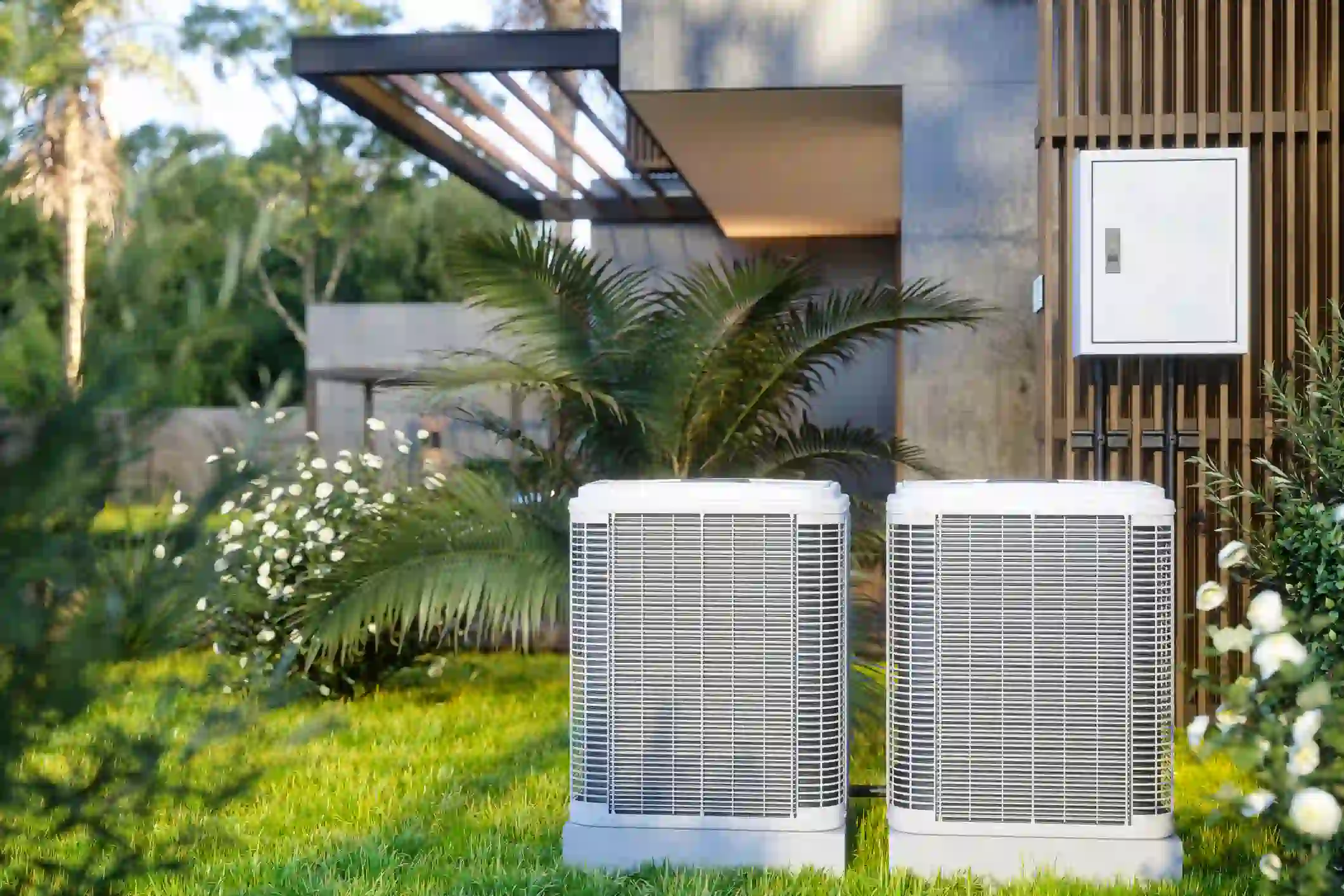
Restoring Heat and Efficiency to Your Home
When a heating system malfunctions, the symptoms are often immediate and disruptive. You might notice the temperature dropping despite the thermostat setting, hear banging or whistling noises coming from the basement, or smell distinct burning odors. These are not issues that resolve themselves. Addressing them requires a technical approach that identifies the root cause within the mechanical or electrical components of the unit.
We provide comprehensive heating services designed to tackle specific failure points in modern and legacy systems. Whether you rely on a gas furnace, a boiler, or a heat pump, the goal remains the same: safe, consistent heat delivery.
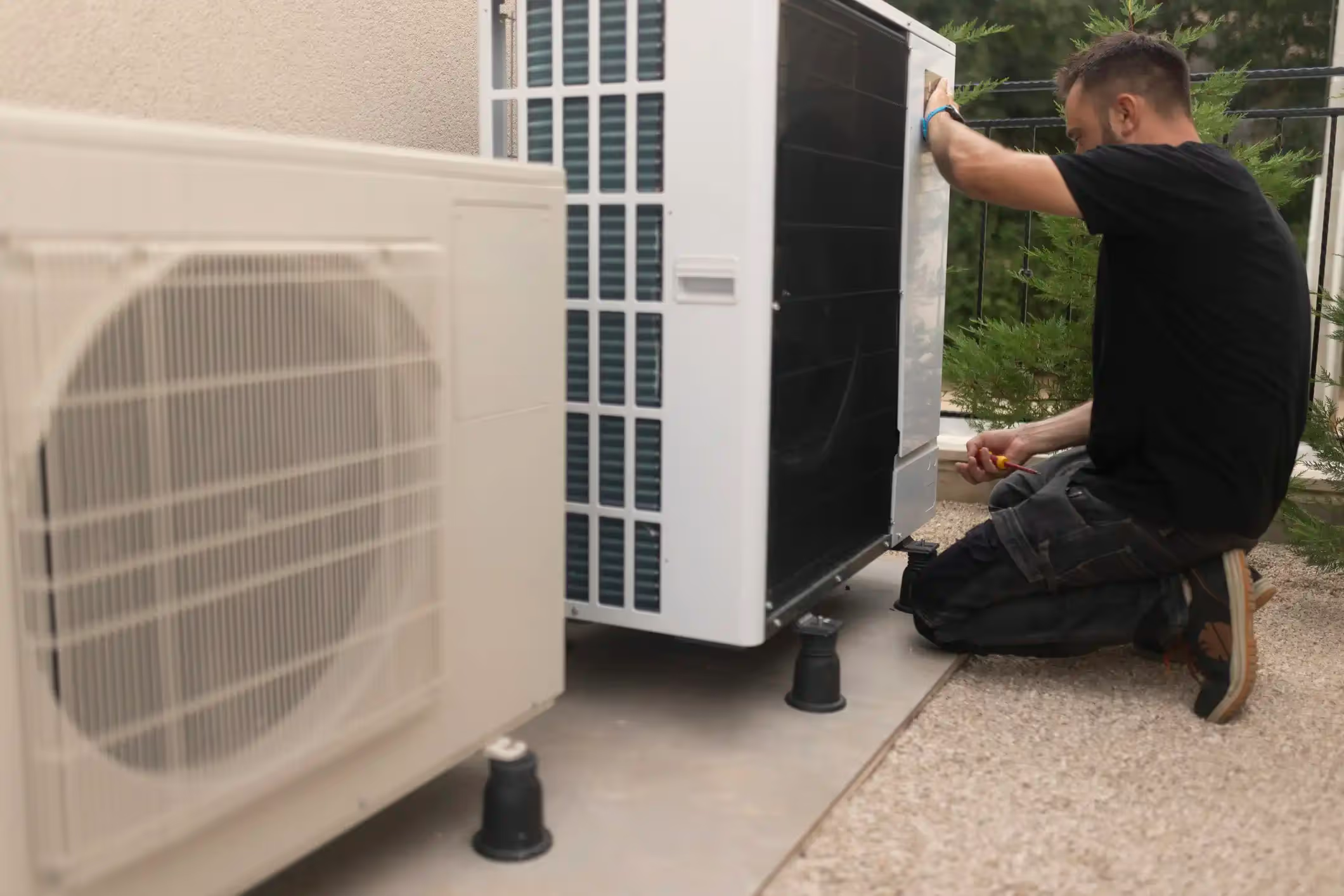
Furnace Repair and Diagnostics
Furnaces are the most common heating source in the area, and they rely on a complex sequence of operation to fire correctly. If the draft inducer motor fails, the pressure switch will not close, and the ignition sequence stops. If the flame sensor is dirty or oxidized, the system will shut down for safety. Our technicians troubleshoot these specific components. We test the heat exchanger for cracks—a critical safety check to prevent carbon monoxide leaks—and verify that the blower motor is moving the correct volume of air.
Boiler System Services
Boiler systems operate differently, using water or steam to distribute heat through radiators or baseboards. Common failure points here include circulating pumps, expansion tanks, and zone valves. If a zone valve fails, one room may freeze while others roast. If the expansion tank is waterlogged, pressure relief valves may discharge water onto your floor. We assess the hydronic loop, bleed air from the lines to stop "gurgling" noises, and ensure the aquastat controls the water temperature within the manufacturer's specified range.
Heat Pump Performance Tuning
Heat pumps work hard year-round. In the winter, they extract heat from the outside air to warm your home. When temperatures dip significantly, the reversing valve must switch correctly, and the defrost board must function to keep the outdoor coil from turning into a block of ice. We test refrigerant levels, inspect the reversing valve, and verify the auxiliary heat strips engage when the outdoor temperature drops below the balance point.
The Service and Installation Process
Homeowners need to know exactly what happens when they request service. Uncertainty adds stress to an already frustrating situation. Our process is structured to provide clarity, accurate quotes, and efficient execution.
- Scheduling and Dispatch: The process begins when you request service. We prioritize calls based on urgency, particularly during extreme weather events. You receive confirmation of your appointment window, and our technicians arrive with fully stocked trucks containing common parts like capacitors, igniters, and contactors to minimize downtime.
- On-Site Diagnostic: Upon arrival, the technician performs a systematic evaluation of your heating system. This is not a cursory glance. We use multimeters to check electrical voltage and amperage, manometers to measure gas pressure, and combustion analyzers to assess efficiency and safety. We identify exactly why the system failed.
- Clear Explanation and Quote: Once the issue is diagnosed, we explain the findings. You are presented with the specific problem, the required part or repair, and the total cost before any work begins. There are no surprise billings after the fact. You approve the work, or you decline it; the control remains in your hands.
- Execution of Repairs: With your approval, the technician proceeds with the repair. We follow industry best practices, ensuring all wiring is secure, gas connections are leak-tested, and components are installed according to manufacturer specifications. If a full system replacement is necessary, we stage the installation to minimize the time your home is without heat.
- Testing and Cleanup: After the repair or installation is complete, the system is cycled through a full operation sequence. We verify the thermostat is communicating correctly, the burners ignite smoothly, and warm air is circulating. We leave the workspace as clean as we found it, removing any debris or old parts.
Determining When to Repair or Replace Your Unit
Deciding between repairing an existing unit and investing in a new system is a financial and practical calculation. While repairs are often the lower upfront cost, throwing money at a dying system is not economical. Gibson Heating & Cooling helps you navigate this decision using industry-standard metrics.
The 50% Rule
A common benchmark is the 50% rule. If the cost of the repair approaches 50% of the value of a new system, replacement is generally the better investment. A major component failure, such as a cracked heat exchanger or a blown compressor, often triggers this threshold.
System Age and Life Expectancy
Heating systems have a finite lifespan. Gas furnaces typically last 15 to 20 years, while boilers may last slightly longer. Heat pumps usually have a lifespan of 10 to 15 years due to their year-round usage. If your unit is approaching or has exceeded these age ranges, parts may be obsolete or expensive to source. Investing in a repair for a 20-year-old furnace is rarely recommended because a different component is likely to fail shortly after.
Frequency of Breakdowns
If you have required multiple service calls in the last two seasons, the system is becoming unreliable. The cumulative cost of service call fees and minor repairs often exceeds the monthly payment of a financed new system. Reliability is a key factor; knowing your heat will turn on when needed is worth the investment in a new unit.
Efficiency Ratings (AFUE)
Older units often operate at 60% to 70% AFUE (Annual Fuel Utilization Efficiency). This means 30 to 40 cents of every dollar you spend on fuel is wasted up the flue. Modern high-efficiency furnaces operate at 95% AFUE or higher. Upgrading can result in significant savings on monthly utility bills, which helps offset the cost of the new installation over time.
Local Climate Factors and Regulatory Compliance
Operating a heating system in Cherry Hill requires specific attention to regional climate data and local building codes. The Mid-Atlantic region experiences a humid subtropical climate, which means winters are generally cool to cold, with average lows dipping well into the 20s and high humidity levels remaining a factor.
Handling Humidity and Condensation
High-efficiency furnaces produce condensation as a byproduct of combustion. In our climate, this condensate must be properly drained to prevent freezing in discharge lines. We ensure condensate traps and pumps are installed correctly to handle the moisture load, preventing water damage and system lockouts.
Permitting and Code Compliance
New Jersey has strict building codes regarding HVAC installations to ensure safety and energy efficiency. Replacing a heating unit is not just a swap-out; it requires adherence to current mechanical codes. This includes proper venting clearance, gas piping sizing, and electrical disconnect accessibility. We handle the permitting process, ensuring that your installation passes inspection and maintains the value of your home.
Ductwork and Airflow in Older Homes
Many properties in the region have older ductwork systems originally designed for gravity heating or less powerful blowers. Modern furnaces move more air to achieve efficiency. We assess your ductwork to ensure it can handle the static pressure of a new system. Installing a powerful new furnace on undersized ductwork causes excessive noise and shortens the lifespan of the blower motor.
Gas vs. Electric Availability
While natural gas is prevalent, some areas rely on oil or propane. We are equipped to service the specific fuel type available in your neighborhood. For homes considering a switch from oil to gas, or from gas to electric heat pumps, we evaluate the electrical panel capacity and gas line infrastructure to determine feasibility.
Why Professional HVAC Technical Expertise Matters
Your heating system involves combustible fuels, high-voltage electricity, and carbon monoxide. It is not a candidate for amateur repair or unlicensed handyman work. Professional service ensures safety, compliance, and longevity.
- Carbon Monoxide Safety: Improper combustion or venting issues can lead to carbon monoxide entering your living space. This is odorless and deadly. Certified technicians use combustion analyzers to ensure that the fuel is burning cleanly and that draft pressure is pulling exhaust gases out of the home.
- Warranty Protection: Manufacturers require proof of professional maintenance and installation to honor warranties. If a part fails under warranty, you need a licensed contractor to process the claim. DIY repairs or unverified service can void these warranties, leaving you responsible for expensive parts.
- Proper Sizing and Load Calculation: "Bigger" is not always better in HVAC. An oversized furnace will short-cycle, turning on and off frequently. This causes wear on the igniter and reduces comfort by creating temperature swings. We perform Manual J load calculations to ensure the heating unit is perfectly sized for the square footage and insulation values of your specific home.
- Tooling and Technology: Modern HVAC diagnostics require advanced technology. From thermal imaging cameras to detect heat loss in ducts, to digital refrigerant gauges for heat pumps, professional tooling allows for accurate diagnostics. Guesswork leads to replacing parts that aren't broken. We rely on data to fix the actual problem.
Restore Your Home Comfort Today
A functioning heating system is essential for safety and comfort. Whether you are dealing with a complete system failure, strange noises, or simply an old unit that costs too much to run, professional intervention is the solution. Ignoring the signs of a struggling heater often leads to more extensive damage and higher costs down the road.
Make the decision to prioritize your home’s warmth and efficiency. Secure professional service that guarantees correct diagnosis, code-compliant installation, and long-term reliability.
Schedule your heating service or request an estimate now to ensure your home stays warm all winter.
our process
Our heating Process Section
01
Thorough Diagnosis/Consultation
We start with a comprehensive assessment of your needs.
02
Upfront & Honest Pricing
We provide a clear, detailed estimate before any work begins.
03
Professional
Schedule
Our certified technicians perform the work to the highest standards.
04
Final Inspection & Clean-up
We ensure everything is working perfectly and leave your home clean.
testimonials
The Customer Experience:
Where Comfort Meets Reliability.
Trusted by Homeowners Across Burlington County.
