
Boiler Installation in Delran, NJ

Facing Boiler Issues? Professional Installation with Real Benefits
Is your old boiler leaving you cold in the winter? Discover our professional boiler installation services that ensure warmth and efficiency. When your heating system fails to deliver consistent comfort, simply contact us to schedule an assessment or call our team for immediate assistance with financing options available.
Residents in Delran, NJ know that a failing heating system is more than just an inconvenience; it is a threat to home comfort and safety during the freezing months. Upgrading your boiler is a significant decision that impacts your energy bills and daily comfort for the next two decades. Gibson Heating & Cooling provides a streamlined approach to replacement, ensuring you receive the correct equipment for your specific home layout.
- Seamless installation tailored to your home's unique heating load and zoning needs.
- Energy-efficient models that significantly reduce monthly utility bills long term.
- Expert advice on boiler maintenance and optimal usage to extend system lifespan.
All installations are fully certified with extensive warranties and financing options available.

Understanding Modern Boiler Technology and Efficiency
Replacing a boiler is not simply swapping one metal box for another. The technology behind hydronic heating has advanced considerably in recent years, offering homeowners distinct advantages over older atmospheric systems. Modern installations focus on Annual Fuel Utilization Efficiency (AFUE), a rating that measures how effectively the unit converts fuel into heat. While older units often operate at 60% to 70% efficiency—meaning 30 cents of every dollar spent on fuel goes up the chimney—modern condensing boilers can achieve ratings as high as 98%.
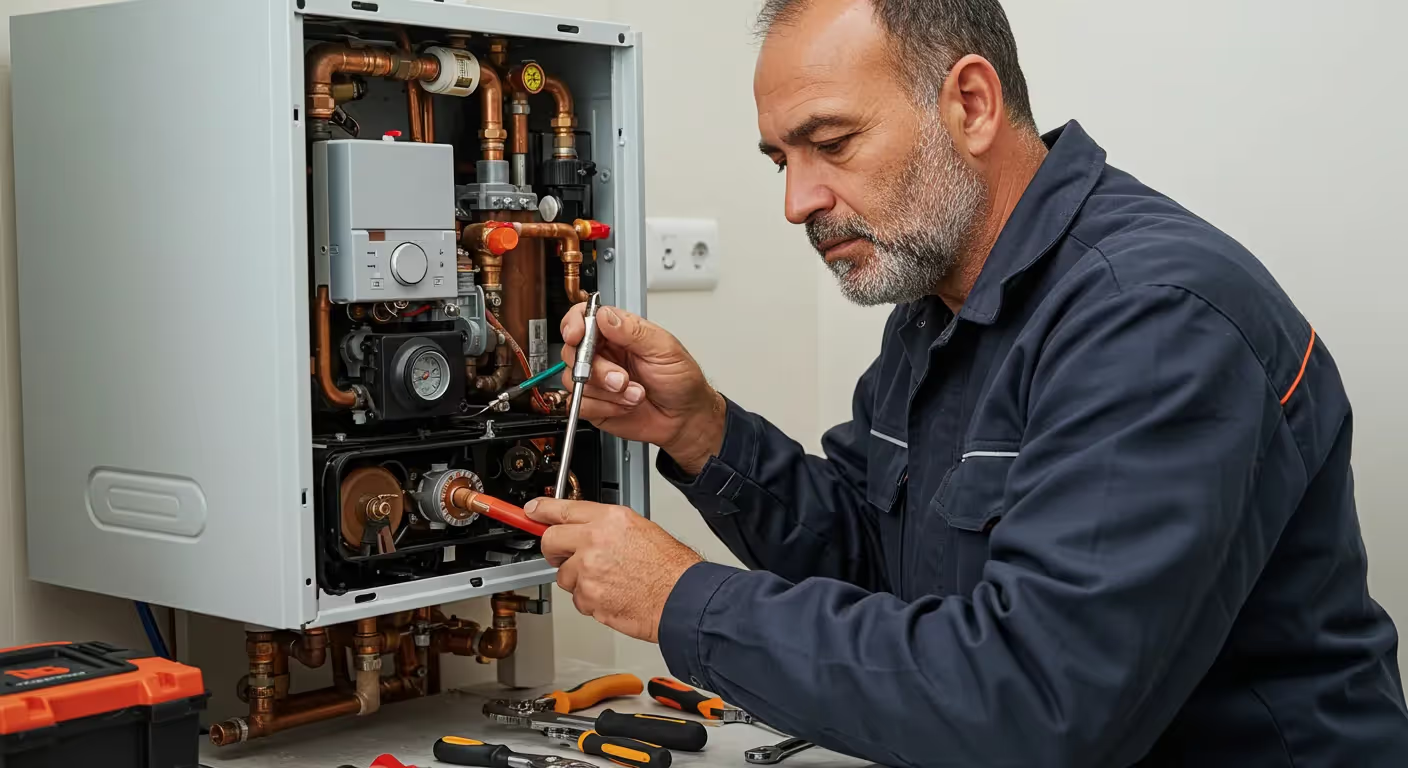
We assess your property to determine the most viable configuration for your needs. This involves evaluating the existing infrastructure, such as radiators, baseboard heaters, or radiant floor tubing. A high-efficiency condensing boiler extracts heat from the exhaust gases that would normally be wasted, recycling that energy back into the system. This process requires specific piping and venting modifications, which are standard components of a professional installation scope.
The scope of a new installation includes:
- Load Calculation: We perform a precise Manual J calculation to determine the exact heating requirements of your home. Installing a boiler that is too large results in short-cycling, which wears out components faster, while a unit that is too small will fail to keep up on the coldest days.
- System Zoning: Many homeowners choose to upgrade their zoning capabilities during an installation. This allows for independent temperature control in different areas of the house, reducing energy waste by not overheating unoccupied rooms.
- Venting Upgrades: High-efficiency units often require PVC venting rather than traditional metal flues. We handle all necessary modifications to ensure safe and code-compliant exhaust management.
- Piping and Circulators: The installation includes the replacement of near-boiler piping, expansion tanks, and circulator pumps to ensure the water flows efficiently through the distribution system.
The Installation Workflow: From Assessment to Heat
A professional boiler installation is a multi-step construction project within your mechanical room. We prioritize protecting your home and ensuring safety throughout the transition from the old unit to the new system. The timeline for installation varies based on the complexity of the conversion, particularly if switching fuel sources or venting strategies, but generally follows a strict protocol to minimize downtime.
- Site Preparation: Technicians begin by laying down protective coverings to safeguard your flooring and surrounding areas. The workspace is cleared, and safety checks are performed to locate gas and water shut-off valves.
- System Decommissioning: The existing boiler is disconnected from the gas or oil supply, electrical panel, and plumbing lines. The old unit is drained, dismantled, and removed from the property. This step often involves heavy lifting and requires care to prevent damage to the home's structure.
- Infrastructure Updates: Before the new unit is set in place, any necessary updates to the chimney liner (for non-condensing units) or the installation of new intake and exhaust pipes (for condensing units) are completed. This is the stage where gas lines may be upgraded to handle the correct pressure requirements.
- Positioning and Connection: The new boiler is leveled and mounted. Technicians connect the supply and return water piping, ensuring all zone valves and circulators are correctly oriented. The gas line is connected using rigid piping where required by code, and electrical connections are wired into the system controls and thermostat.
- Commissioning and Testing: Once physically installed, the system is filled with water and purged of air. This is a critical step, as air pockets can cause noise and prevent proper heat transfer. We fire up the boiler, test the combustion levels to ensure safe operation, and verify that every radiator or baseboard loop is receiving heat.
Deciding Between Repair and Replacement
Determining whether to repair an aging boiler or invest in a new installation is a common dilemma. While repairs can offer a short-term fix, there comes a point where the cost of maintaining an obsolete system outweighs the price of replacement — explore our current promotions for savings. This decision should be based on data and the physical condition of the heat exchanger, rather than emotion.
Consider replacement if the following conditions apply:
- Age of the Unit: Boilers generally last 15 to 20 years. If your unit is approaching or has surpassed this age, the risk of a catastrophic failure—such as a cracked heat exchanger—increases dramatically.
- Frequency of Breakdowns: If you are calling for service multiple times a season, the cumulative cost of parts and labor is better invested in a new warranty-backed system.
- Rising Energy Costs: A sudden spike in fuel consumption without a change in usage habits often indicates the internal components are corroding or failing to transfer heat effectively.
- Lack of Parts Availability: As models become obsolete, manufacturers stop producing replacement parts. If a critical component like a gas valve or control board is no longer available, replacement becomes the only option.
- Uneven Heating: If certain rooms are perpetually cold while others are hot, and bleeding radiators does not solve the issue, the boiler may lack the power or circulation capacity to heat the home effectively.
Navigating Local Requirements and Climate Factors
Installing a boiler in Delran, NJ requires adherence to specific local building codes and an understanding of the regional climate. The humid subtropical climate brings distinct challenges, primarily centered around the significant heating load required during freezing winter nights. The installation must be robust enough to handle sub-freezing temperatures without faltering, ensuring your pipes do not freeze and your family remains safe.
Local regulations play a massive role in the installation process.
- Permitting: Proper permits must be pulled before work begins. This ensures that the installation is recorded with the municipality and subject to inspection. This protects the homeowner’s insurance validity and resale value.
- Gas and Electrical Codes: New Jersey has strict codes regarding gas piping sizes and electrical grounding. Upgrading a boiler often triggers a requirement to bring these connecting systems up to current code standards.
- Chimney Liners: For homeowners sticking with standard-efficiency atmospheric boilers, local code often mandates the installation of a chimney liner to prevent condensation from destroying the masonry.
- Condensate Neutralization: High-efficiency boilers produce acidic condensate. Local environmental codes usually require a neutralizer to treat this liquid before it enters the municipal sewer system to prevent damage to plumbing infrastructure.
Ensuring Longevity and Safety Through Professional Execution
The difference between a boiler that lasts 10 years and one that lasts 20 years often comes down to the quality of the installation. Improper piping strategies can lead to "thermal shock," where cold water returns to a hot boiler too quickly, causing the metal to crack. Professional installers utilize primary-secondary piping or hydraulic separators to prevent this, ensuring the equipment operates within its design parameters.
Safety is the paramount concern with any fuel-burning appliance. A boiler that is not vented correctly poses a serious risk of carbon monoxide poisoning. Professional installation includes the use of combustion analyzers to verify that the unit is burning fuel cleanly and that all exhaust gases are being successfully directed outdoors.
Furthermore, manufacturer warranties are almost exclusively dependent on proof of professional installation. If a component fails three years down the line, the manufacturer will require validation that the system was installed according to their specifications and local codes. We ensure all documentation is handled correctly, registering your equipment to lock in your warranty coverage.
Gibson Heating & Cooling prioritizes a comprehensive approach that covers every technical detail, from the gas pressure at the inlet to the temperature of the water leaving the supply pipe. This attention to detail results in a heating system that operates quietly, reliably, and efficiently for years to come.
Take Control of Your Home Comfort
A new boiler is an investment in the safety and comfort of your home. By choosing a high-efficiency system installed by qualified professionals, you eliminate the uncertainty of an aging unit and gain control over your energy usage. The process is designed to be transparent, thorough, and compliant with all local standards, ensuring you receive the best possible return on your investment.
Don't wait for the next cold snap to discover your heating system isn't up to the task. Secure your home’s warmth and efficiency today.
Contact us now to schedule your boiler installation consultation.
our process
Our heating Process Section
01
Thorough Diagnosis/Consultation
We start with a comprehensive assessment of your needs.
02
Upfront & Honest Pricing
We provide a clear, detailed estimate before any work begins.
03
Professional
Schedule
Our certified technicians perform the work to the highest standards.
04
Final Inspection & Clean-up
We ensure everything is working perfectly and leave your home clean.
testimonials
The Customer Experience:
Where Comfort Meets Reliability.
Trusted by Homeowners Across Burlington County.
