
Heating Repair in Cherry Hill, NJ

Is Your Heating System Failing When You Need It Most?
Waking up to a freezing house in Cherry Hill during a winter cold snap is a homeowner’s worst nightmare, and you need a resolution immediately. Contact Gibson Heating & Cooling now to schedule an emergency diagnostic visit or to discuss financing options for your repair.
A malfunctioning furnace or boiler does not just impact comfort; it introduces risks regarding frozen pipes and indoor air quality. When your system stops working, you need a team that arrives equipped to handle the specific make and model of your unit without unnecessary delays. We provide comprehensive diagnostics and immediate repairs to restore warmth to your home efficiently.
- Immediate service is available 24/7 to address your heating emergencies.
- Experienced technicians provide quality and effective solutions for furnaces, boilers, and heat pumps.
- Transparent pricing is provided upfront with free online estimates for major repairs.
- We are fully licensed and comply with all local building regulations for your peace of mind.
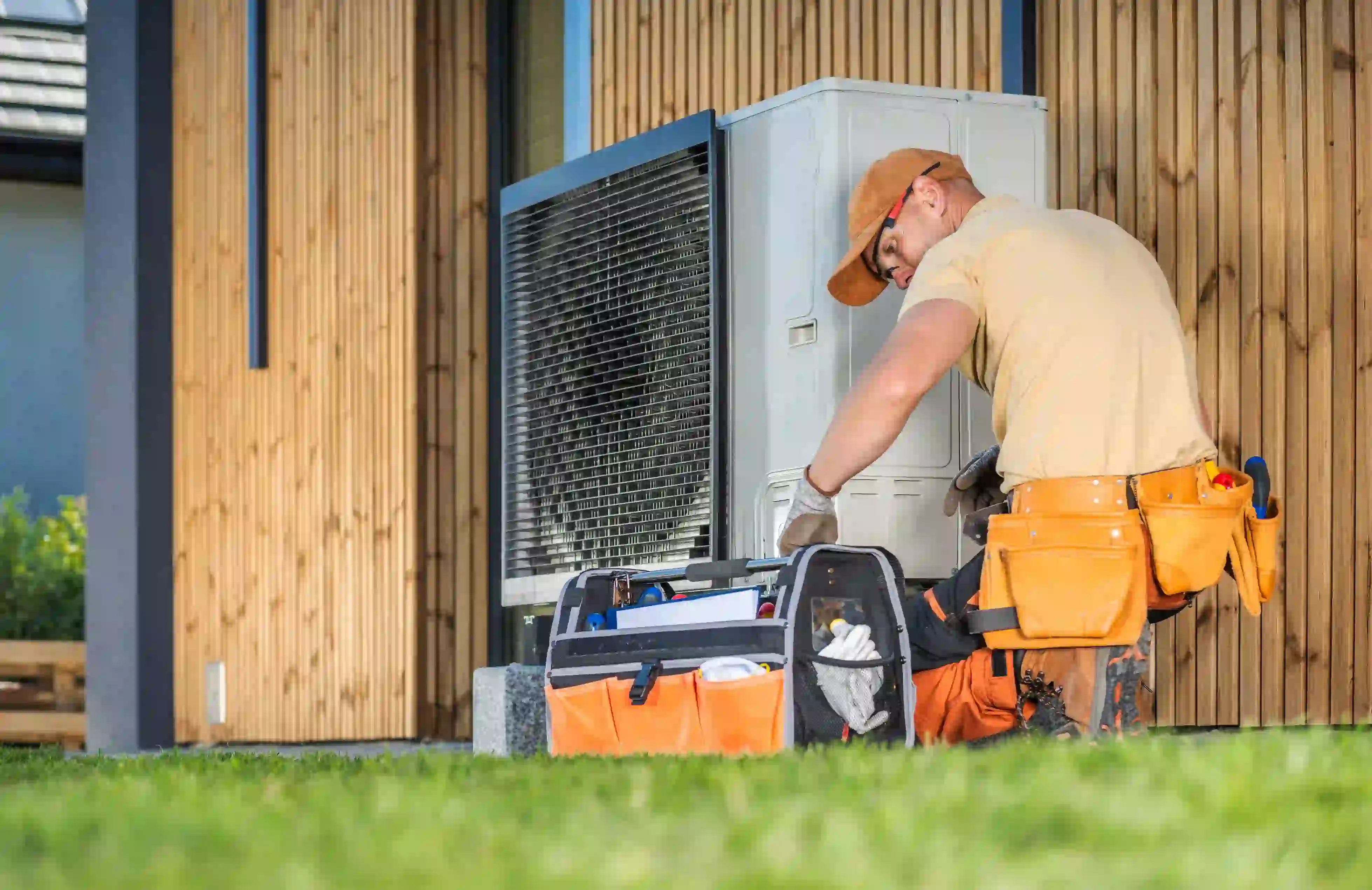
What to Expect From Your Heating Repair Service
When you request a service call, the priority is accurate identification of the fault followed by a swift resolution. Homeowners in Cherry Hill often face heating interruptions due to worn-out components, ignition failures, or airflow restrictions. A professional service visit focuses on isolating the root cause rather than applying a temporary patch.
Upon arrival, a technician will assess the entire heating envelope. This includes checking the thermostat calibration, inspecting the heat exchanger for cracks, testing the ignition system, and verifying that the blower motor is operating within the manufacturer’s specifications. Most trucks are stocked with universal parts such as flame sensors, ignitors, capacitors, and limit switches to ensure that the repair can often be completed on the first visit.
If the issue requires a specific part that is not immediately on hand, the sourcing process begins immediately through local supply chains to minimize downtime. You will receive a clear explanation of what component failed, why it failed, and the total cost to rectify the issue before any work begins. There are no hidden fees or surprise charges at the completion of the job.
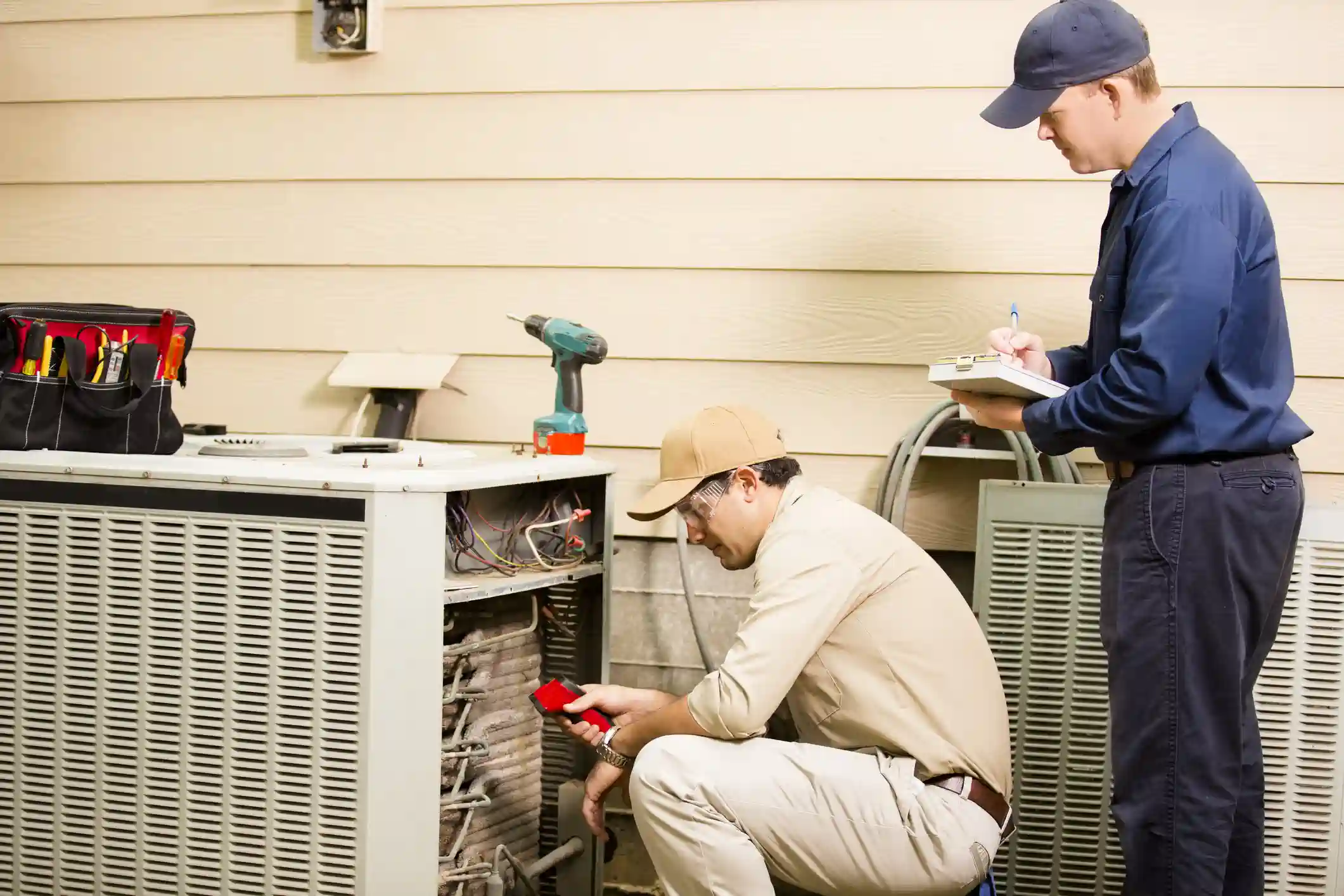
Common Heating Issues Addressed
Heating systems are complex machines with moving parts and electrical connections that degrade over time. Addressing these issues early prevents catastrophic failure.
- Ignition or Pilot Control Problems: Modern furnaces use hot surface ignitors or intermittent pilots. If these fail, the burners will not light, blowing cold air through your vents.
- Dirty or Clogged Filters: A restricted filter causes the heat exchanger to overheat and the limit switch to trip, shutting down the unit repeatedly.
- Thermostat Malfunctions: Sometimes the issue is not the furnace but the control center. Wiring issues or calibration errors can prevent the system from receiving the "call for heat."
- Mechanical Wear and Tear: Belts, bearings, and motors experience friction and stress. When these parts wear down, they cause airflow issues and overheating.
- Unusual Noises: Squealing, banging, or rattling sounds indicate mechanical loosening or belt failure that requires immediate tightening or replacement.
The Heating Repair Process: Step-by-Step
Understanding the workflow of a repair appointment helps homeowners prepare and ensures transparency. The goal is to restore safety and comfort with minimal disruption to your daily routine.
- First, the technician performs a safety inspection. This is critical for gas furnaces and boilers to ensure there are no carbon monoxide leaks or gas line breaches.
- Next, a comprehensive diagnostic is run. Using multimeters and specialized gauges, the technician tests the electrical consumption of motors, the gas pressure at the manifold, and the temperature rise across the heat exchanger.
- Then, the findings are presented to you. You will see exactly which part is faulty. If multiple options exist—such as repairing a motor versus replacing it—those options are laid out clearly with associated costs.
- After approval, the repair is executed. The technician removes the faulty component, cleans the surrounding area, installs the new part, and secures all connections.
- Finally, the system is test-fired. The technician monitors the system through a full heating cycle to ensure it ignites, runs, and shuts down properly, verifying that the original problem is fully resolved.
Determining When to Repair vs. Replace
One of the most difficult decisions for a homeowner is knowing when to stop pouring money into an aging unit and when to invest in a new system. While Gibson Heating & Cooling focuses on restoring your current unit whenever feasible, there are mathematical and practical limits to repair.
The "50% Rule" is a standard industry metric used to guide this decision. If the cost of the repair approaches 50% of the value of a new system, replacement is generally the more financially sound choice. Additionally, if you have required repairs more than twice in the last two years, the system is likely entering the end of its reliable lifespan.
Key Factors in the Decision
- Age of the Equipment: Furnaces typically last 15-20 years, while boilers may last slightly longer. If your unit in Cherry Hill is over 15 years old and requires a major component like a heat exchanger or compressor, repair is rarely cost-effective.
- Energy Efficiency: Older units often operate at 60-70% AFUE (Annual Fuel Utilization Efficiency). New models exceed 90%. Repairing an inefficient unit means you continue to pay higher utility bills, whereas replacement offers monthly savings.
- Safety Concerns: If a heat exchanger is cracked, it poses a carbon monoxide risk. In almost all cases, a cracked heat exchanger necessitates a full system replacement due to safety regulations and the cost of the part.
- Comfort Consistency: If your home has hot and cold spots or humidity issues that a repair cannot fix, the issue may be improper sizing or ductwork design, which only a replacement or system overhaul can correct.
Local Considerations for Heating in New Jersey
Operating a heating system in this region requires attention to specific environmental and regulatory factors. The humid subtropical climate, combined with distinct, snowy winters, places a heavy load on HVAC equipment.
Climate and Seasonality
The transition from humid summers to freezing winters causes expansion and contraction in ductwork and piping. This thermal stress can lead to seal failures and refrigerant leaks in heat pumps. In Cherry Hill, the heating season can extend from late October through April. This long operational window means your system runs for thousands of hours a year. Neglecting minor repairs before the deep freeze of January often results in system failure when the workload is highest.
Permits and Regulations
Heating repair and installation work in New Jersey is governed by strict codes to ensure safety.
- Licensing: The New Jersey Division of Consumer Affairs requires HVAC contractors to be licensed. This ensures that the technician working on your gas or electric lines has demonstrated the necessary competency.
- Venting Codes: High-efficiency furnaces produce condensation that is acidic. Local codes dictate how this must be drained and vented to prevent structural damage and freezing pipes.
- Electrical Standards: Adherence to the National Fire Protection Association (NFPA) standards is mandatory. Any repair involving electrical components must meet current amperage and wiring safety requirements to prevent fire hazards.
Housing Stock Challenges
Many homes in the area have older infrastructure. This can present challenges such as uninsulated ductwork in crawl spaces or outdated electrical panels that struggle to support modern, high-efficiency blower motors. A professional repair service assesses these peripheral factors to ensure the repair holds up against the unique architecture of local homes.
Why Professional Diagnosis Matters
Attempting DIY repairs on heating systems is dangerous and often voids manufacturer warranties. Modern heating equipment relies on complex circuit boards, precise gas pressure settings, and balanced airflow.
- Gas Safety: precise manipulation of gas valves and lines is required. An amateur mistake can lead to gas leaks or explosive hazards.
- Electrical Hazards: HVAC systems operate on high voltage. Incorrect handling of capacitors or wiring can result in severe injury or damage to the unit’s main control board.
- Warranty Preservation: Most manufacturer warranties specifically state that parts must be installed by a licensed professional. DIY attempts can nullify the coverage for the entire unit.
- Proper Tooling: diagnosing a crack in a heat exchanger often requires combustion analysis tools and cameras that the average homeowner does not possess. Without these, dangerous flaws can be missed.
Specialized Heating Systems We Service
Heating is not a one-size-fits-all service. Different homes utilize different technologies, each requiring specific repair protocols.
Gas Furnaces
The most common heating source, gas furnaces require precise combustion analysis. Issues often stem from the sequence of operations—induction draft motors, pressure switches, and gas valves. Technicians must verify that the flue gases are venting correctly to prevent back-drafting into the living space.
Boilers and Hydronic Systems
Boilers utilize water or steam to heat the home, often through radiators or baseboards. Repairs here frequently involve pumps, expansion tanks, and aquastats. Leaks are a primary concern, as water damage can affect the home's structure. Bleeding air from the lines and ensuring the boiler pressure is within the safe range are standard parts of the repair process.
Heat Pumps
Heat pumps are becoming increasingly popular for their dual heating and cooling capabilities. In winter, problems often arise with the reversing valve or the defrost board. If the system fails to defrost, ice builds up on the outdoor unit, crippling its efficiency and potentially damaging the fan blades.
Ensuring Long-Term Reliability
Once a repair is completed, the focus shifts to maintaining that performance. The longevity of a repair depends heavily on the overall condition of the system. While the immediate component has been replaced, the strain on the system remains if airflow is restricted or if the system is short-cycling. Join our membership plan for continued care.
- Airflow Management: Keeping vents open and returns unblocked is essential. Restricted airflow causes the blower motor to work harder, increasing the likelihood of a repeat failure.
- Regular Monitoring: Listen to your system. If the noise that prompted the repair returns, or if a new noise develops, immediate re-evaluation is necessary to prevent collateral damage to the new parts.
- Humidity Control: In winter, indoor air can become very dry. Using a whole-home humidifier helps the heating system feel more effective at lower temperatures, reducing the workload on the furnace.
Don’t Risk a Cold, Unsafe Home: Get Expert Heating Service Now
When your heat goes out, you need a solution that is technically sound, safety-compliant, and executed with speed. We understand the urgency of restoring heat during a New Jersey winter. Gibson Heating & Cooling is committed to providing accurate diagnostics and lasting repairs that keep your home safe and warm.
Don't wait until the temperature drops further. Secure your home’s comfort and safety today by scheduling your heating repair service now.
our process
Our heating Process Section
01
Thorough Diagnosis/Consultation
We start with a comprehensive assessment of your needs.
02
Upfront & Honest Pricing
We provide a clear, detailed estimate before any work begins.
03
Professional
Schedule
Our certified technicians perform the work to the highest standards.
04
Final Inspection & Clean-up
We ensure everything is working perfectly and leave your home clean.
testimonials
The Customer Experience:
Where Comfort Meets Reliability.
Trusted by Homeowners Across Burlington County.
