
Heat Pump Repair in Cherry Hill, NJ

Restore Your Home Comfort With Expert Heat Pump Repair
Facing unbearable heat or unexpected cold due to a malfunctioning heat pump in Cherry Hill can quickly turn your home environment into a source of stress. Our certified technicians are ready to restore your comfort promptly and efficiently; contact us today to schedule your service or inquire about available financing options.
When your system stops regulating temperature correctly, you need a solution that goes beyond a quick patch. You need a comprehensive repair that addresses the root cause of the failure, ensuring the unit can handle the specific climate challenges of this region.
- Immediate appointment scheduling to address urgent repairs helps minimize downtime and discomfort in your home.
- Comprehensive diagnostics identify and fix the root cause, preventing the same issue from recurring weeks later.
- Season-specific maintenance tips provided during the visit help extend the life of your heat pump through humid summers and freezing winters.
All services are fully insured—plus, flexible financing options are available to ease your immediate financial burden. Gibson Heating & Cooling prioritizes technical precision and operational transparency to get your system running efficiently again.
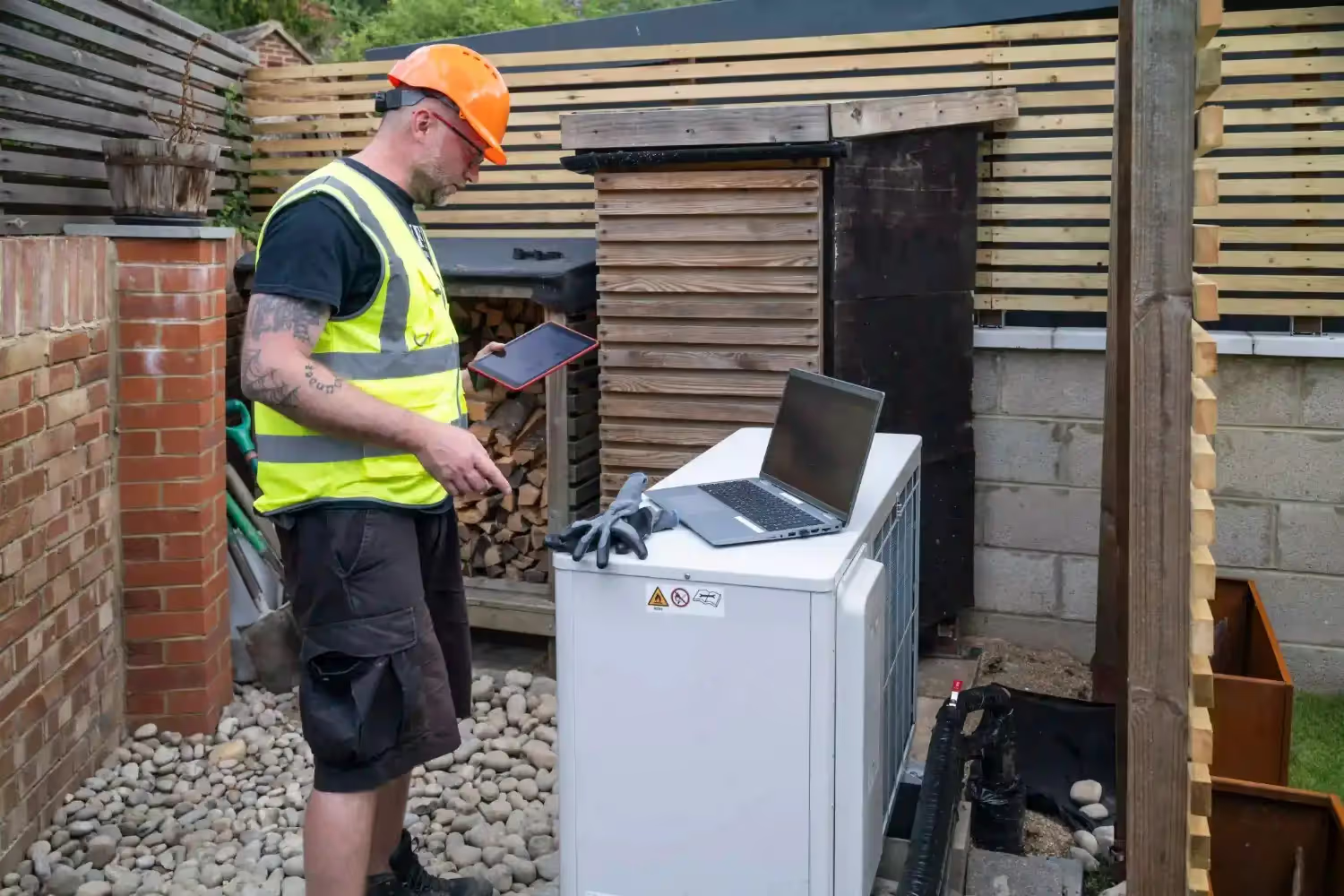
Effective Solutions to Common Heat Pump Problems
Heat pumps are sophisticated systems that handle both heating and cooling, meaning they run year-round. This constant operation naturally leads to wear and tear, but specific symptoms often point to distinct mechanical failures. Understanding these issues helps you communicate effectively with a technician and sets the stage for a successful repair.
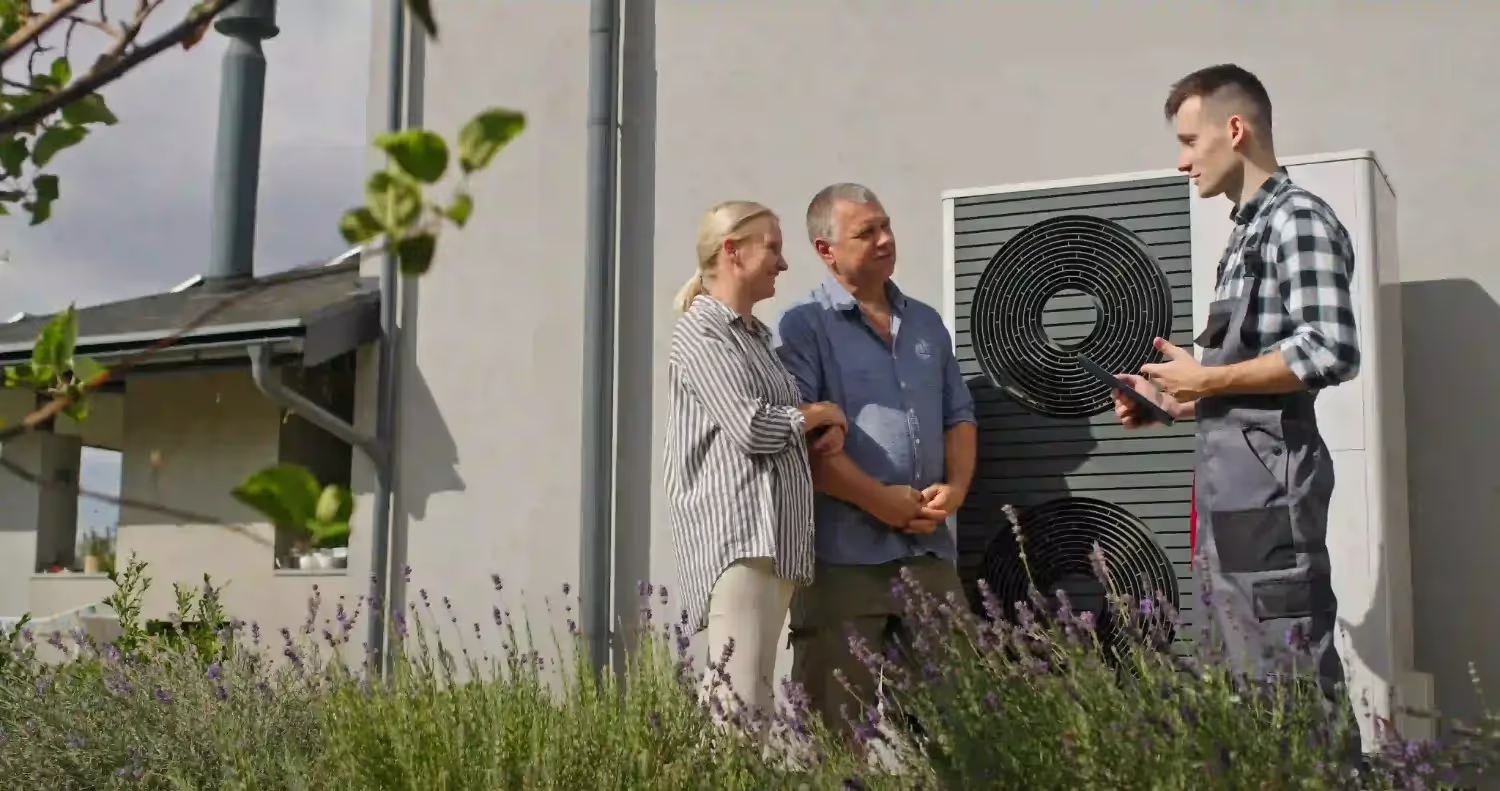
Inconsistent Temperature Regulation
One of the most frequent complaints involves a heat pump blowing lukewarm air when it should be heating, or failing to dehumidify during the summer. This often stems from low refrigerant levels caused by a leak in the coils. Since the system relies on refrigerant to transfer heat, a deficit means the unit must work twice as hard to achieve the desired temperature, driving up energy bills while failing to provide comfort.
The Outdoor Unit Is Frozen
While a light frost is normal during a New Jersey winter, a heat pump encased in a block of ice indicates a failure in the defrost cycle. Sensors, relays, or the reversing valve may be malfunctioning. If the system cannot enter defrost mode, the ice buildup blocks airflow across the outdoor coil, potentially causing the compressor to overheat and fail completely.
Short Cycling
If your unit turns on and off rapidly without completing a full heating or cooling cycle, it is short cycling. This puts immense strain on the compressor and starting components. Causes range from a clogged air filter restricting airflow to a miscalibrated thermostat or an oversized system. Immediate intervention is required to prevent catastrophic compressor failure.
Strange Noises
Operational sounds are normal, but grinding, screeching, or rattling are not.
- Grinding noises typically indicate worn-out motor bearings that need replacement.
- Screeching often points to a loose or damaged fan belt.
- Rattling usually suggests loose hardware or debris inside the unit.
Reversing Valve Failure
The reversing valve is the component that switches the unit between heating and cooling modes. If this valve gets stuck, the system will be locked in one mode. In a climate where temperatures can fluctuate significantly between day and night, a stuck reversing valve renders the system useless for half of its intended function.
What to Expect from Our Heat Pump Repair Services Today
When you request professional service, the goal is to resolve the issue with minimal disruption to your day. We understand that homeowners need clarity regarding the scope of work and the timeline for completion.
Comprehensive System Evaluation
Upon arrival, the technician does not guess; they test. Using advanced diagnostic tools, we measure refrigerant pressures, test electrical voltage and amperage, and inspect airflow dynamics. This data-driven approach ensures that the diagnosis is accurate. You will receive a clear explanation of what component failed and why, rather than a vague assessment.
Transparent Scope of Work
Before any tool is applied to the repair, you are provided with a full breakdown of the necessary work. This includes:
- The specific parts required for the repair.
- The estimated time to complete the job.
- A clear outline of labor and material costs.
Inventory Availability
Service vehicles are stocked with the most common universal parts, including capacitors, contactors, fan motors, and control boards. The objective is to complete the repair in a single visit whenever possible. If a specialized OEM part is required, the procurement process is initiated immediately to minimize the delay.
Safety and Cleanliness Protocols
HVAC work involves electricity and refrigerants. Technicians adhere to strict safety protocols to protect your home and property. Drop cloths and shoe covers are utilized to ensure that the workspace remains clean, and all discarded parts or materials are removed from the premises upon completion.
Your Guide to Our Heat Pump Repair Process Steps
A structured workflow ensures that no detail is overlooked during the repair process. By following a consistent protocol, we ensure reliability and safety for every job in Cherry Hill.
Initial Site Inspection
The technician begins by inspecting the thermostat settings, the indoor air handler, and the outdoor condenser unit. This visual check looks for obvious signs of damage, such as burnt wires, oil stains indicating leaks, or physical debris blocking airflow.
Diagnostic Testing
Electrical components are tested using a multimeter to ensure they are within manufacturer specifications. Refrigerant gauges are attached to measure subcooling and superheat levels, which indicate if the charge is correct. The defrost board is manually triggered to ensure the outdoor unit can melt ice accumulation effectively.
Proposal and Authorization
Once the issue is isolated, the findings are presented to you. We explain the options available, whether it is a simple part replacement or a more complex repair. Work begins only after you have authorized the specific solution.
Execution of Repair
The technician performs the necessary mechanical or electrical work. This may involve recovering refrigerant, brazing lines, replacing motors, or rewiring control boards. All work is performed according to industry codes and safety standards.
System Testing and Verification
After the repair is complete, the system is not just turned on; it is stress-tested. The technician monitors the system through a full cycle to ensure it reaches the target temperature, cycles off correctly, and maintains proper pressure levels.
Final Walkthrough
The technician demonstrates that the system is working correctly. You are given advice on how to maintain the repair, such as filter change schedules or thermostat best practices.
Deciding Between Heat Pump Repair and Replacement
At a certain point, repairing an aging system becomes less economical than replacing it. Making the right decision depends on a factual analysis of the unit's condition, age, and performance history.
The 50% Rule
A common industry standard is the 50% rule. If the cost of the repair approaches or exceeds 50% of the value of a new system, replacement is generally the better financial move. Investing a large sum into an old unit that may fail again soon often results in sunk costs — check current promotions.
Age of the Equipment
Heat pumps typically last between 10 and 15 years. If your unit is over 12 years old and requires a major component replacement, such as a compressor or reversing valve, efficiency degradation usually makes replacement more logical. Newer units offer significantly higher SEER (Seasonal Energy Efficiency Ratio) and HSPF (Heating Seasonal Performance Factor) ratings, which lower monthly utility bills.
Frequency of Breakdowns
If Gibson Heating & Cooling has visited your home multiple times in the last two years for different repairs, the system is likely entering the end of its reliable lifespan. Constant repairs add up quickly, often exceeding the monthly cost of financing a new, warrantied system.
R-22 Refrigerant Considerations
Older systems that utilize R-22 (Freon) are becoming prohibitively expensive to repair if a refrigerant leak occurs. R-22 is no longer manufactured due to environmental regulations. If your system relies on this obsolete refrigerant, a leak is a strong indicator that it is time to upgrade to a system using modern, eco-friendly refrigerants like R-410A or R-454B.
Comfort Issues
If the unit runs constantly but never makes the home comfortable, or if humidity levels remain high in the summer despite the AC running, the system may have lost compression or be undersized. Repairing a component will not fix a system that was incorrectly sized or has lost total capacity due to age.
Important Local Information: Permits & Seasonal Tips
Operating a heat pump in New Jersey requires specific attention to local climate patterns and regulations. Understanding these factors ensures your system remains compliant and operational when you need it most.
Handling New Jersey Seasons
The local climate is characterized by hot, humid summers where temperatures reach the low 90s, and cold winters with lows dipping into the 20s.
- Summer Humidity: Your heat pump acts as a dehumidifier in the summer. If the condensate drain line is clogged or the coil is dirty, humidity levels in your home will spike, causing discomfort and potential mold growth.
- Winter Freezing: Annual snowfall ranges from 20 to 30 inches. It is vital to keep the outdoor unit clear of snow drifts. If snow blocks the airflow, the heat pump cannot extract heat from the outside air, forcing it to rely entirely on expensive auxiliary heat strips.
Permit Requirements
In many local municipalities, major HVAC repairs—specifically those involving the replacement of condensers, coils, or significant electrical alterations—may require a permit. This ensures that the work complies with safety codes regarding electrical connections and refrigerant handling. Professional providers handle the permitting process to ensure that all work is code-compliant and recognized by home insurance providers.
Electrical Infrastructure
Heat pumps draw significant power, especially during startup and when auxiliary heat strips engage during extreme cold. Older homes in the area may require an electrical panel inspection to ensure they can handle the load of a modern high-efficiency heat pump without tripping breakers.
Why Choose Us? See Our Credentials and Customer Success Stories
Selecting a service provider is about trust and technical capability. You need a team that combines local knowledge with high-level certifications to ensure the job is done right the first time.
Certified Technical Expertise
Technicians undergo rigorous training to stay updated on the latest heat pump technologies, including inverter-driven compressors and smart thermostat integration. This training ensures that regardless of the make or model, the diagnostic process is accurate.
Respect for Your Home
We view your home as a sanctuary, not a construction site. Technicians use protective mats and shoe covers to prevent dirt and debris from tracking into your living space. The workspace is left as clean as it was found.
Warranty and Guarantees
Repairs are backed by warranties on both parts and labor. This provides peace of mind that if a replaced component fails prematurely, it will be rectified without additional cost to you. We stand behind the quality of our workmanship.
Upfront Pricing
There are no hidden fees or surprise charges. By providing a flat-rate price for the repair before work begins, you remain in control of the financial aspect of the service. You approve the price, and that is the price you pay.
Book Your Service Now
Reliable heating and cooling are not luxuries; they are necessities for health and safety. If your system is struggling, do not wait for a total breakdown. Gibson Heating & Cooling is ready to diagnose the issue and implement a lasting solution. Contact us now to schedule your repair and restore your home’s comfort.
our process
Our heating Process Section
01
Thorough Diagnosis/Consultation
We start with a comprehensive assessment of your needs.
02
Upfront & Honest Pricing
We provide a clear, detailed estimate before any work begins.
03
Professional
Schedule
Our certified technicians perform the work to the highest standards.
04
Final Inspection & Clean-up
We ensure everything is working perfectly and leave your home clean.
testimonials
The Customer Experience:
Where Comfort Meets Reliability.
Trusted by Homeowners Across Burlington County.
