
Boiler Repair in Cherry Hill, NJ

Facing a Complete Boiler Breakdown in the Dead of Winter?
Waking up to a freezing house because your heating system has failed is a homeowner’s nightmare, especially during the height of the heating season in Cherry Hill. Call us immediately to schedule a diagnostic visit and restore warmth to your home.
When your boiler malfunctions, you need a solution that prioritizes speed, safety, and technical accuracy. Gibson Heating & Cooling provides responsive service designed to minimize downtime and prevent catastrophic plumbing failures caused by freezing temperatures.
- Reach you within hours—not days—for critical repairs to prevent frozen pipes.
- Assess and fix any model of boiler, ensuring safe operation and consistent heat distribution.
- Provide transparent pricing with no hidden fees, backed by a satisfaction guarantee.
Licensed, insured, and fully compliant with local building codes for your peace of mind.

Comprehensive Boiler Diagnostics and Repair Services
A boiler system is a complex network of valves, pumps, and pressure vessels that requires precise technical knowledge to repair correctly. Unlike forced-air furnaces, boilers rely on hydronic pressure and water circulation, meaning a failure in one component can disrupt the entire heating envelope of your home. We provide a granular analysis of your system to identify the root cause of the failure rather than simply swapping out parts until the unit turns on.
Our repair services cover the full spectrum of hydronic heating issues. We address problems with the central heating vessel, the distribution piping, and the electronic controls that manage your home's temperature. Whether you have a modern high-efficiency condensing boiler or a traditional cast-iron radiator system, we have the tools and parts to execute the necessary repairs.
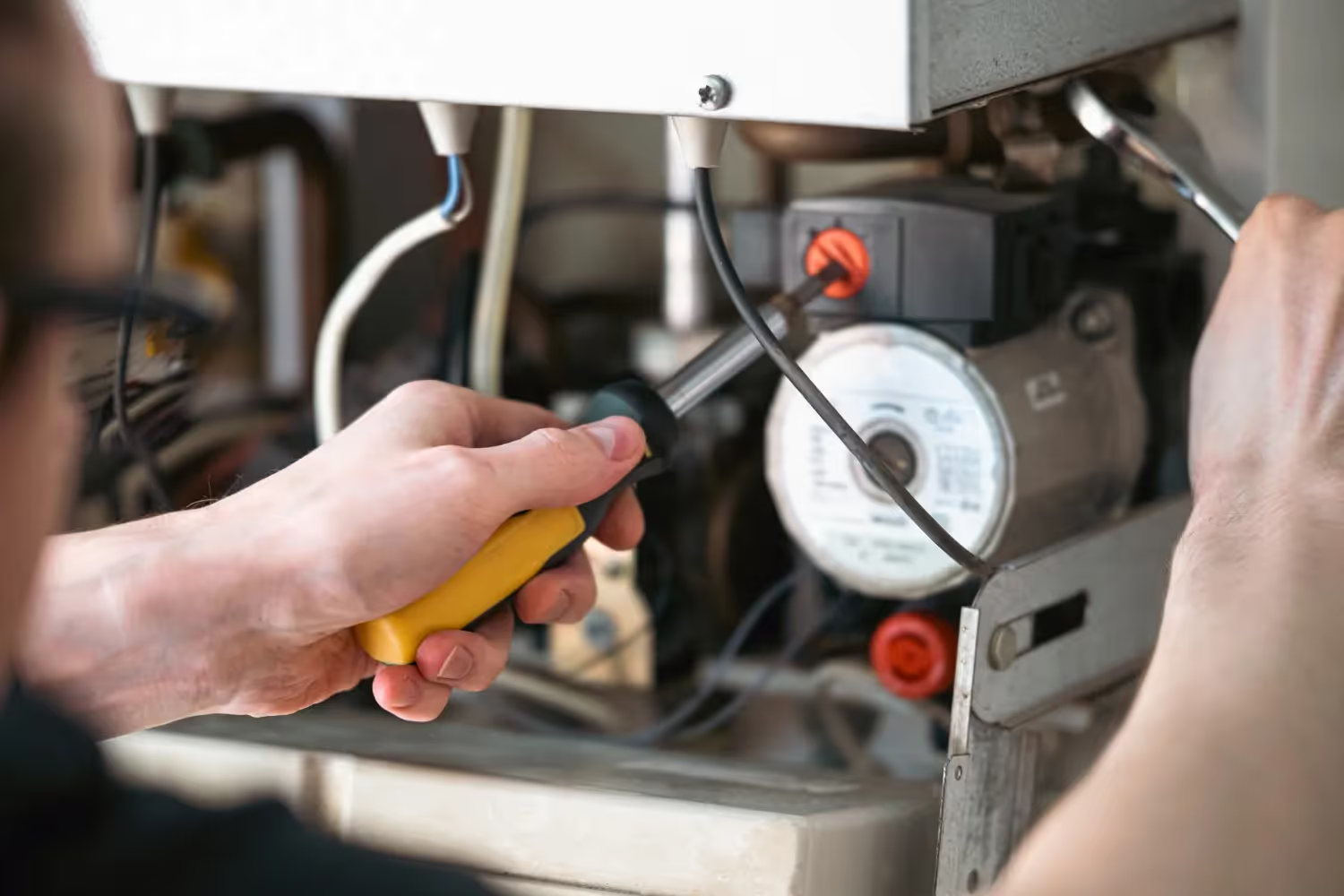
Component-Level Repair and Replacement
We focus on the specific mechanical and electrical components that drive your boiler’s performance. Our technicians are trained to handle:
- Circulator Pump Failures: If the pump fails, hot water cannot move from the boiler to your radiators or baseboards. We diagnose seized motors and electrical faults to restore circulation.
- Expansion Tank Issues: An improperly pressurized expansion tank can cause dangerous pressure spikes in your system. We test, recharge, or replace tanks to maintain safe operating pressure.
- Zone Valve Malfunctions: When one room is hot while another is freezing, the issue often lies with the zone valves. We repair stuck or burned-out motor heads to restore balanced heating.
- Ignition and Pilot Control: For gas boilers, ignition failure is a common issue. We troubleshoot thermocouples, hot surface igniters, and intermittent pilot controls to ensure reliable firing.
System Safety and Control Checks
Beyond getting the heat back on, we ensure the system operates safely. Boilers involve combustion and high pressure, making safety checks non-negotiable.
- Heat Exchanger Inspection: We inspect for cracks or corrosion that could lead to carbon monoxide leaks or water damage.
- Flue and Venting Analysis: We verify that exhaust gases are venting correctly out of your home, adhering to Cherry Hill safety standards.
- Aquastat and Thermostat Calibration: We ensure the boiler is communicating correctly with your thermostat and maintaining the water temperature within the manufacturer’s specified range.
Identifying Critical Boiler Malfunctions
Homeowners often notice symptoms of a boiler failure before the system shuts down completely. Recognizing these signs allows you to request service before you are left without heat. We address a wide variety of operational irregularities that compromise efficiency and comfort.
Audible Indicators of Failure
Boilers should operate relatively quietly. New or loud noises indicate internal stress.
- Kettling: A deep rumbling or banging noise usually indicates limescale buildup on the heat exchanger. This restricts water flow and causes the water to boil into steam inside the unit, creating immense pressure.
- Gurgling: Sounds of running water or gurgling in the pipes suggest air is trapped in the system, which inhibits heat transfer and accelerates corrosion.
- Whistling: This often points to a blockage in the air intake or a gas pressure issue that requires immediate professional adjustment.
Visual and Functional Warning Signs
Visible changes in the system or the environment around the boiler are red flags.
- Water Leaks: Puddles around the base of the boiler imply a leaking seal, a cracked section, or a faulty pressure relief valve. Leaks lead to property damage and system rot.
- Radiators Staying Cold: If the boiler is running but radiators remain cold, you may have sludge buildup, air locks, or a failed pump.
- Strange Smells: An egg-like smell indicates a gas leak, while a metallic or burning plastic smell can indicate electrical shorts or melting insulation.
- Sooting: Black soot around the boiler jacket or vent pipe indicates incomplete combustion, which is a serious carbon monoxide hazard.
Our Step-by-Step Boiler Repair Process
We utilize a structured workflow to ensure every repair is conducted efficiently and correctly. Our goal is to minimize disruption to your household while ensuring the technical integrity of the repair.
- Initial Assessment and Safety Check: Upon arrival, the technician performs a visual inspection and tests the immediate safety controls. We verify the fuel supply and check for any immediate hazards like gas leaks or water accumulation.
- Diagnostic Testing: We use specialized tools to test electrical circuits, measure water pressure, and analyze combustion gases. This data allows us to pinpoint the exact failure point.
- Explanation of Findings: Before any work begins, we explain exactly what is wrong, what caused it, and what is required to fix it. You receive a clear scope of work.
- Execution of Repairs: We proceed with the repair using high-quality, OEM-spec parts. This involves draining the system if necessary, replacing components, and refilling the system to the correct pressure.
- System Bleeding and Balancing: After the mechanical repair, we bleed air from the radiators and lines to ensure water flows freely. We check that all zones are heating evenly.
- Final Performance Test: We cycle the boiler through its full operation sequence—ignition, heating, and shutdown—to verify that the repair holds and the system is stable.
- Site Cleanup: We respect your property by removing all old parts, packaging, and debris, leaving the utility area as clean as we found it.
Navigating the Choice: When to Repair vs. Replace
Deciding between repairing a current unit or investing in a new system is a significant financial decision. We provide honest assessments based on the condition of your equipment and industry standards. There is a tipping point where repair costs outweigh the benefits of keeping an aging unit running.
Factors Favoring Repair
- System Age: If the boiler is under 15 years old and has been well-maintained, repair is often the most logical choice.
- Cost of Repair: If the repair cost is less than 50% of the cost of a new system, and the unit is otherwise healthy, fixing it is cost-effective.
- Minor Component Failure: Issues like a failed thermocouple, a bad circulator pump, or a faulty expansion tank are standard maintenance repairs and do not necessarily condemn the unit.
Factors Favoring Replacement
- Cracked Heat Exchanger: This is a catastrophic failure. The cost to replace a heat exchanger is often comparable to a new boiler, and a cracked exchanger poses significant safety risks.
- Frequent Breakdowns: If you are calling for repairs multiple times a season, the cumulative cost of parts and labor is better invested in a new, reliable system.
- Obsolescence: If parts are no longer manufactured or difficult to source, keeping the boiler running becomes a liability.
- Efficiency Gap: Old atmospheric boilers may operate at 60-70% AFUE (efficiency). upgrading to a modern system operating at 95% AFUE can result in substantial fuel savings that offset the installation cost over time — check current promotions.
Addressing Local Weather Patterns and Codes
Operating a boiler in New Jersey requires specific attention to regional weather patterns and regulatory standards. The climate in Cherry Hill creates unique stressors for hydronic heating systems that generic advice often overlooks.
Humidity and Off-Season Corrosion
New Jersey experiences humid summers. When boilers sit idle for months in a damp basement during the summer, condensation can form on the external jacket and internal components. This leads to rust and corrosion on burners and electronic contacts. When Gibson Heating & Cooling performs repairs, we inspect for humidity-related damage that may have occurred during the off-season, ensuring the system is ready for the intense workload of winter.
Freezing Risks and Pipe Protection
Winters in this region can drop well below freezing. If a boiler fails during a cold snap, the water inside the baseboards and radiators is at risk of freezing. Frozen pipes can burst, causing massive water damage. Our emergency repair protocols prioritize getting the water moving and heated to prevent this scenario. We also check the insulation on runs of pipe that may pass through unconditioned spaces like crawl spaces or garages.
Compliance with Local Codes
Boiler repairs, particularly those involving gas lines and exhaust venting, must adhere to strict local and state building codes. Improper venting can lead to code violations and, more importantly, health hazards. We ensure that all replacement parts and modifications meet the current safety standards required by local municipalities. This includes verifying adequate combustion air intake and proper clearance from combustible materials.
The Technical Difference: Why Professional Service Matters
Boiler systems are not suitable for DIY repairs. The combination of combustible gas, high voltage electricity, and pressurized hot water creates a high-stakes environment where errors can be dangerous. Professional service ensures that the root cause is addressed, not just the symptom.
Accurate Pressure Management
A boiler relies on a delicate balance of pressure. Too low, and the system won’t heat the upper floors; too high, and the relief valve will discharge water. We utilize calibrated gauges to set the pressure reducing valve and expansion tank to the precise specifications required for your home’s vertical lift and total water volume.
Proper Combustion Analysis
Simply seeing a flame does not mean the boiler is running correctly. We use combustion analyzers to measure oxygen, carbon dioxide, and carbon monoxide levels in the flue. This ensures the fuel is burning efficiently and cleanly. An improper fuel-to-air mixture wastes money and creates soot buildup that clogs the system.
Zoning Expertise
Many homes in the area utilize multi-zone heating systems. Troubleshooting a system with multiple thermostats and zone valves requires an understanding of low-voltage wiring and hydraulic separation. We ensure that a call for heat from the master bedroom doesn’t inadvertently overheat the living room due to ghost flow or wiring errors.
Long-Term System Health
Our approach is holistic. When we repair a component, we look at how that failure impacts the rest of the system. For example, replacing a burned-out pump is only half the job; we also investigate why it burned out. Was the system air-bound? Was the water too dirty? By answering these questions, we prevent recurring issues.
Restore Your Home’s Comfort Today
A broken boiler disrupts your life and puts your home at risk. You need a resolution that is fast, technically sound, and performed by qualified professionals. We provide the expertise required to diagnose complex hydronic issues and execute lasting repairs.
Don't wait for the temperature to drop further. Secure your home’s heating system now.
Contact Gibson Heating & Cooling to schedule your boiler repair service.
our process
Our heating Process Section
01
Thorough Diagnosis/Consultation
We start with a comprehensive assessment of your needs.
02
Upfront & Honest Pricing
We provide a clear, detailed estimate before any work begins.
03
Professional
Schedule
Our certified technicians perform the work to the highest standards.
04
Final Inspection & Clean-up
We ensure everything is working perfectly and leave your home clean.
testimonials
The Customer Experience:
Where Comfort Meets Reliability.
Trusted by Homeowners Across Burlington County.
