
Boiler Installation in Cherry Hill, NJ

Stay Warm This Winter: Professional Boiler Installation
Facing chilly nights with an outdated or faulty boiler in Cherry Hill can turn a comfortable home into a stressful environment very quickly. Ensure your home stays warm and safe this season with our expert boiler installation services. Contact us today to schedule your consultation or discuss financing options.
When the temperature drops and snow begins to accumulate, your heating system is not just a convenience; it is a necessity for protecting your property and your family. Relying on an aging unit often leads to inefficiency, higher fuel costs, and the looming threat of a mid-winter breakdown. Gibson Heating & Cooling provides a streamlined path to a reliable, high-efficiency heating system.
- Experience prompt and reliable installation services within 24 hours.
- Enjoy peace of mind with our comprehensive warranties and financing options.
- Benefit from energy-efficient heating solutions tailored to Cherry Hill's climate.
All installations are fully compliant with NJ state codes, assuring your safety and satisfaction.
What You Get With a New Boiler Installation
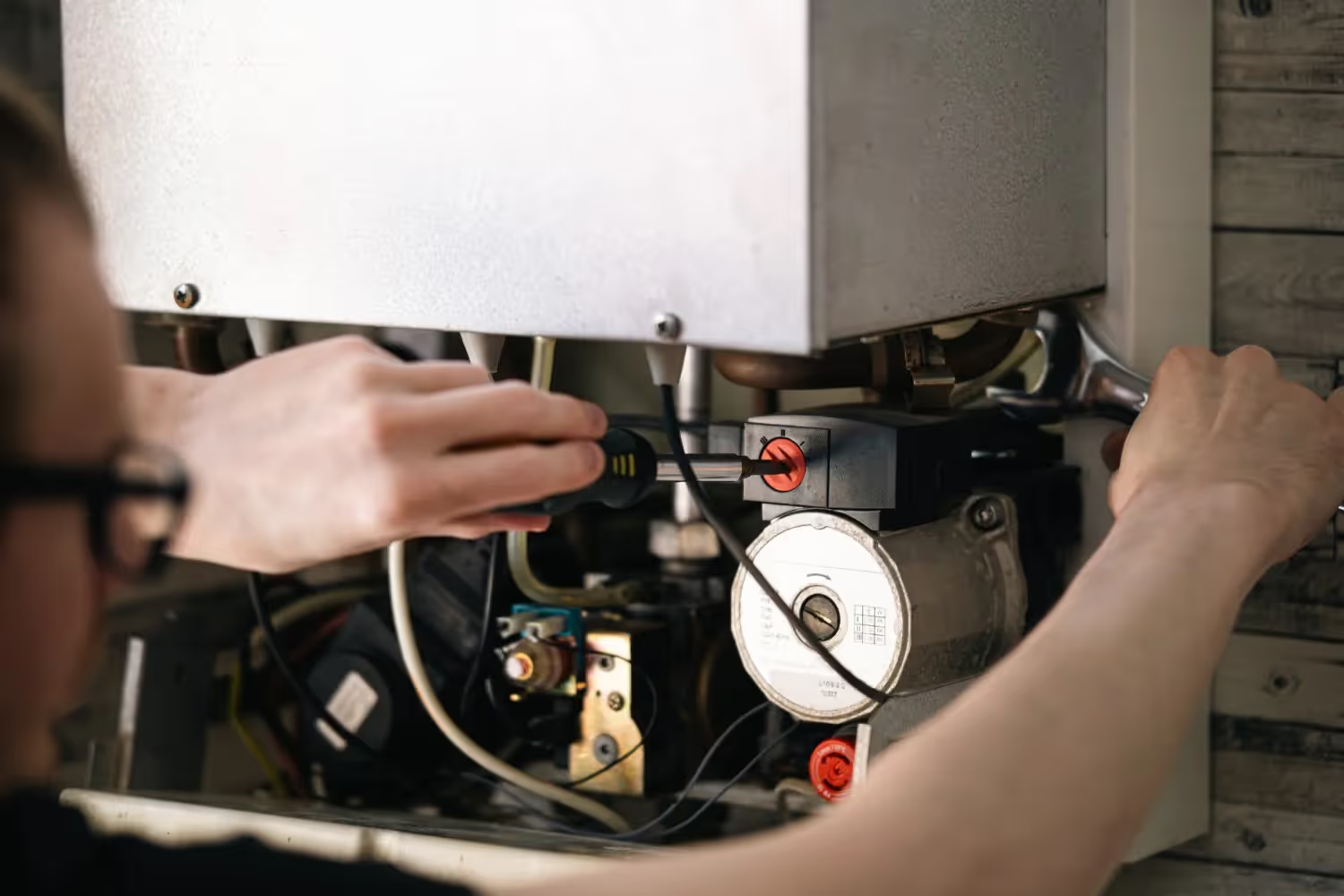
Investing in a new boiler is a significant home improvement project that involves much more than simply swapping one metal box for another. Modern boiler systems are sophisticated pieces of engineering designed to maximize heat transfer while minimizing fuel consumption. When you schedule an installation, you are securing a complete heating upgrade that addresses the specific thermal dynamics of your home.
The scope of a professional installation covers the entire lifecycle of the heating setup. This begins with a precise heating load calculation. Unlike older methods where installers might just guess or match the size of the previous unit, modern standards require a Manual J load calculation. This process accounts for the square footage, insulation levels, window quality, and the specific climate data of Southern New Jersey. A correctly sized boiler prevents "short-cycling," a common issue where an oversized unit turns on and off too frequently, wearing out components and wasting energy.
The service includes the safe disconnection and removal of your existing equipment. Whether you have an old cast-iron steam boiler or a failing hot water system, the disposal is handled according to environmental regulations. Following removal, the installation team addresses the critical infrastructure surrounding the boiler. This includes inspecting and upgrading the flue pipe to ensure dangerous combustion gases like carbon monoxide are vented correctly. It also involves assessing the near-boiler piping, expansion tanks, and circulation pumps to ensure water flows efficiently to your radiators or baseboards.
You also gain access to modern control strategies. New installations often include the setup of outdoor reset controls, which adjust the boiler water temperature based on the outside air temperature. This modulation means that on a mild 45-degree day, your boiler works less hard than on a freezing 10-degree night, resulting in substantial fuel savings over the lifespan of the unit.
The Installation Process Step-by-Step
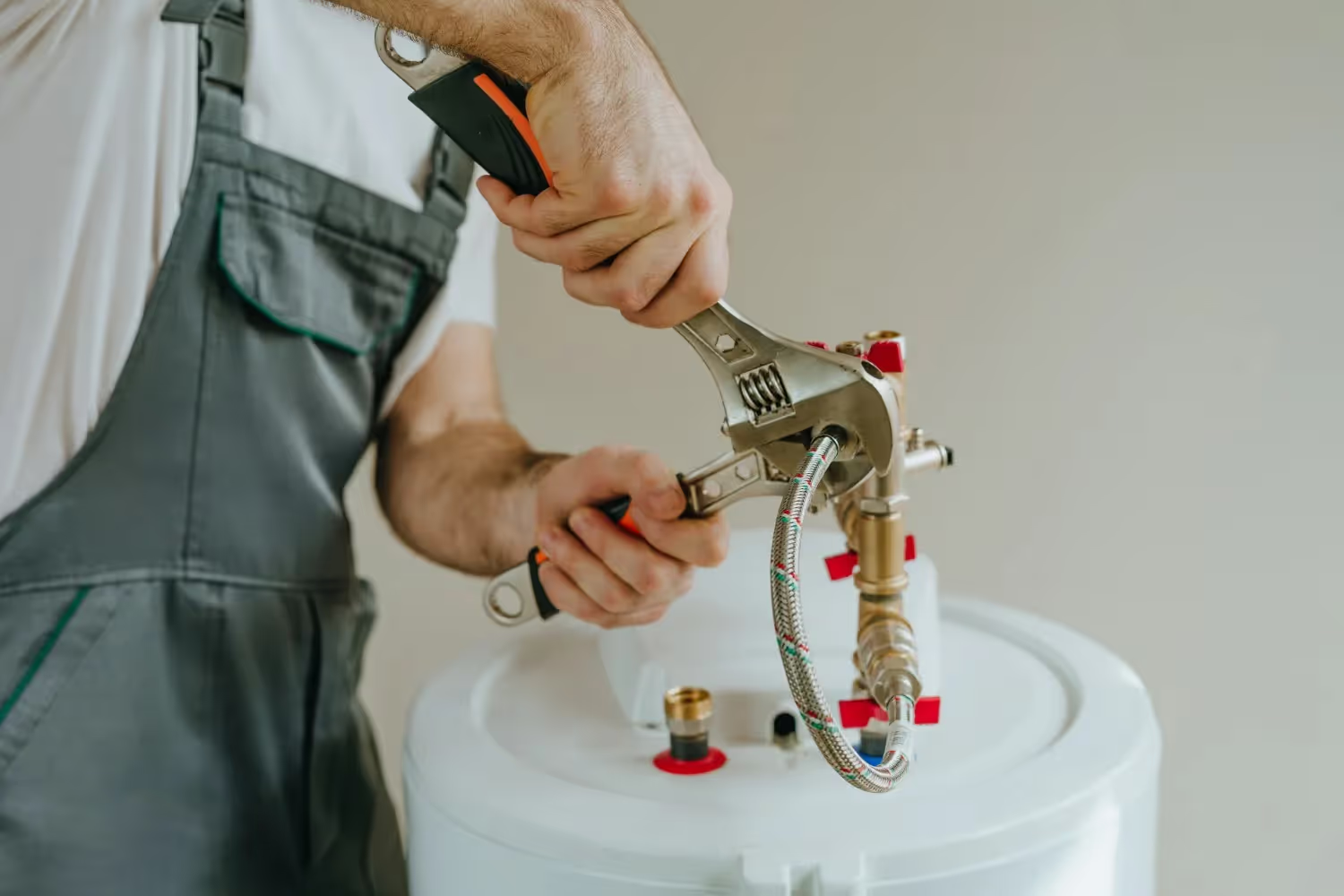
A boiler replacement is a technical procedure that requires adherence to strict safety protocols and sequencing. Understanding the workflow helps homeowners prepare for the day of service and sets expectations for the project timeline.
Site Assessment and Preparation
The process begins with a final walkthrough of the mechanical room. Technicians lay down drop cloths and floor protection to ensure your home remains clean. Gas lines and water feeds are shut off and tagged to ensure safety during the work. If the new unit requires a different footprint, the area is cleared and leveled.
System Draining and Removal
Technicians drain the existing system of all water. This is a critical step to prevent leaks and damage to flooring. Once drained, the old boiler is disconnected from the gas line, electrical supply, and thermostat wiring. The unit is then dismantled if necessary and removed from the property.
Piping and Component Installation
With the old unit gone, the new boiler is positioned. This is the most labor-intensive phase. Technicians construct the "near-boiler piping," which includes the installation of isolation valves, air separators, and circulator pumps. For high-efficiency condensing boilers, new PVC venting may be installed to handle the lower-temperature exhaust gases.
Electrical and Gas Connections
Licensed professionals connect the gas line, ensuring it is sized correctly for the BTU input of the new unit. Electrical wiring is updated to meet current codes, including the installation of emergency shut-off switches if they are absent or outdated. The system is then connected to your thermostat and zone controls.
Filling and Firing
The system is refilled with water, and air is purged from the lines. Air pockets in a hydronic system can cause noise and prevent heat from reaching certain rooms. Once the system is pressurized, the boiler is fired up. Technicians perform a combustion analysis to measure oxygen and carbon dioxide levels in the flue, adjusting the gas valve to ensure the unit is burning clearly and efficiently.
Final Walkthrough and Education
After Gibson Heating & Cooling completes the technical work and cleanup, the lead technician walks you through the operation of the new system. This includes how to adjust the thermostat, how to check system pressure, and what maintenance is required to keep the warranty valid.
When to Replace vs. Repair Your Boiler
Deciding between repairing a faltering unit or investing in a new one is a common dilemma for homeowners. While repairs can sometimes extend the life of a heater, there is a point of diminishing returns where replacement becomes the more financially sound decision.
The Age Factor
Boilers are durable, often lasting 15 to 20 years. However, once a unit exceeds the 15-year mark, efficiency drops significantly. A boiler installed two decades ago likely has an Annual Fuel Utilization Efficiency (AFUE) rating of 60% to 70%. Modern conventional boilers offer around 82-84% AFUE, while high-efficiency condensing units can reach upwards of 95%. If your current boiler is approaching legal voting age, the fuel savings alone often justify a replacement.
The Cost of Repairs
A general rule of thumb used in the industry is the "50% Rule." If the cost of a necessary repair approaches 50% of the cost of a new system, replacement is the better option. For example, replacing a cracked heat exchanger is labor-intensive and expensive. Putting that money toward a new unit with a warranty makes more financial sense than patching a dying system.
Reliability and Comfort
If you find yourself calling for service multiple times a season, or if your radiators heat unevenly leaving some rooms cold while others are overheating, the system is likely failing. Frequent breakdowns are a sign that major components are wearing out simultaneously. In a climate where winter temperatures consistently drop below freezing, reliability is not optional.
Safety Concerns
Older boilers, particularly those that have not been maintained, run a higher risk of developing cracks in the combustion chamber. This can lead to carbon monoxide leaking into the home. If a technician flags a safety violation or a cracked heat exchanger, replacement is usually the only safe course of action.
Visible Corrosion and Leaks
While some valves can be replaced, visible corrosion on the body of the boiler or pooling water underneath the unit usually indicates that the vessel itself is compromised. Once the cast iron or steel vessel cracks, it cannot be welded effectively; the boiler must be replaced.
Local Notes: Seasonality, Permits, and Codes
Installing a boiler in Cherry Hill requires navigating specific regional factors that influence how the job is done and what equipment is chosen. The local climate is defined by humid summers but, more importantly for this service, cold winters with average snowfall ranging from 15 to 25 inches.
System Sizing for New Jersey Winters
The heating load calculation must account for design temperatures specific to this region. Undersizing a boiler means the system will struggle to keep up on the coldest days of January and February, leaving the house uncomfortable. Oversizing, as mentioned earlier, leads to inefficiency. The goal is to match the boiler's output specifically to the heat loss of the structure during a typical NJ winter peak.
Permitting and Inspections
In accordance with the New Jersey Uniform Construction Code, boiler replacements usually require permits. This typically involves a plumbing permit for the gas and water piping work, a fire protection permit, and potentially an electrical permit if new wiring is run. These permits are not just bureaucracy; they ensure that the installation is reviewed by a municipal inspector for safety. Professional installers handle the application and scheduling of these inspections to ensure the work is legally compliant.
Chimney Lining Requirements
Many older homes in the area have masonry chimneys. If you are installing a new standard-efficiency gas boiler into an existing chimney, local code often mandates the installation of a chimney liner. Modern boilers extract more heat from the exhaust, meaning the gases entering the chimney are cooler. Without a liner, these cooler gases can condense on the masonry, causing acidic deterioration of the chimney structure.
Utility Rebates
New Jersey’s Clean Energy Program frequently offers rebates for the installation of high-efficiency heating equipment. To qualify, equipment must meet specific AFUE ratings. Navigating these requirements helps homeowners offset the initial installation cost.
Proof of Professional Installation
Choosing the right partner for your boiler installation is critical because the quality of the installation is just as important as the brand of the equipment. A top-tier boiler installed poorly will fail prematurely and operate inefficiently.
Technical Expertise and Certification
Professional installation guarantees that the technicians working on your home are trained in the specific nuances of hydronic and steam heating. This includes understanding pipe sizing, flow rates, and head pressure—fluid dynamics concepts that are essential for water-based heating. Certification ensures that the team understands high-voltage electrical connections and gas piping safety protocols.
Warranty Protection
Manufacturers of boiler equipment provide warranties that cover parts for many years, sometimes up to a lifetime for heat exchangers. However, these warranties almost always contain a clause requiring installation by a licensed professional. DIY or handyman installations can void these warranties instantly, leaving the homeowner liable for expensive parts if a defect occurs.
Safety Assurance
Boilers involve the combustion of natural gas or propane and the generation of high-pressure steam or hot water. The potential risks involve gas leaks, carbon monoxide poisoning, and water damage. Professional installers use combustion analyzers to verify safe operation and pressure test all piping before leaving the site. This level of diligence ensures the safety of the household.
Long-Term Support
A professional service provider does not disappear after the truck leaves the driveway. They offer support for future maintenance, ensuring the boiler is flushed and tuned up annually. This relationship extends the life of the system and ensures that the efficiency you paid for is maintained year after year.
Contact Us Today
Secure your home's comfort for the long haul. Don't wait for the first blizzard to discover your heating system isn't up to the task. Schedule your boiler installation or estimate today — or contact us online.
our process
Our heating Process Section
01
Thorough Diagnosis/Consultation
We start with a comprehensive assessment of your needs.
02
Upfront & Honest Pricing
We provide a clear, detailed estimate before any work begins.
03
Professional
Schedule
Our certified technicians perform the work to the highest standards.
04
Final Inspection & Clean-up
We ensure everything is working perfectly and leave your home clean.
testimonials
The Customer Experience:
Where Comfort Meets Reliability.
Trusted by Homeowners Across Burlington County.
