
Heat Pump Installation in Cherry Hill, NJ

Experiencing Unreliable Heating? Meet Your New Heat Pump!
Struggling through Cherry Hill winters with an outdated or inefficient heating system can be tough, and finding a solution that handles both freezing nights and humid summers is essential for your comfort. It is time for a reliable, energy-efficient solution that keeps you warm all season, so contact us today to schedule your assessment or discuss financing options.
Residents in Cherry Hill, NJ need HVAC systems that can adapt to rapid weather changes. A modern heat pump provides that versatility, offering heating and cooling in a single unit. We streamline the transition from your old unit to a high-performance system, ensuring your home remains comfortable regardless of the outside temperature.
- Install within 24 hours — Beat the cold fast without the wait.
- Expert installation by certified technicians — Trust in our years of technical experience.
- Stress-free maintenance and robust warranties — Enjoy peace of mind with every season.
All installations are fully permitted, warranty-backed, and financing options are available.
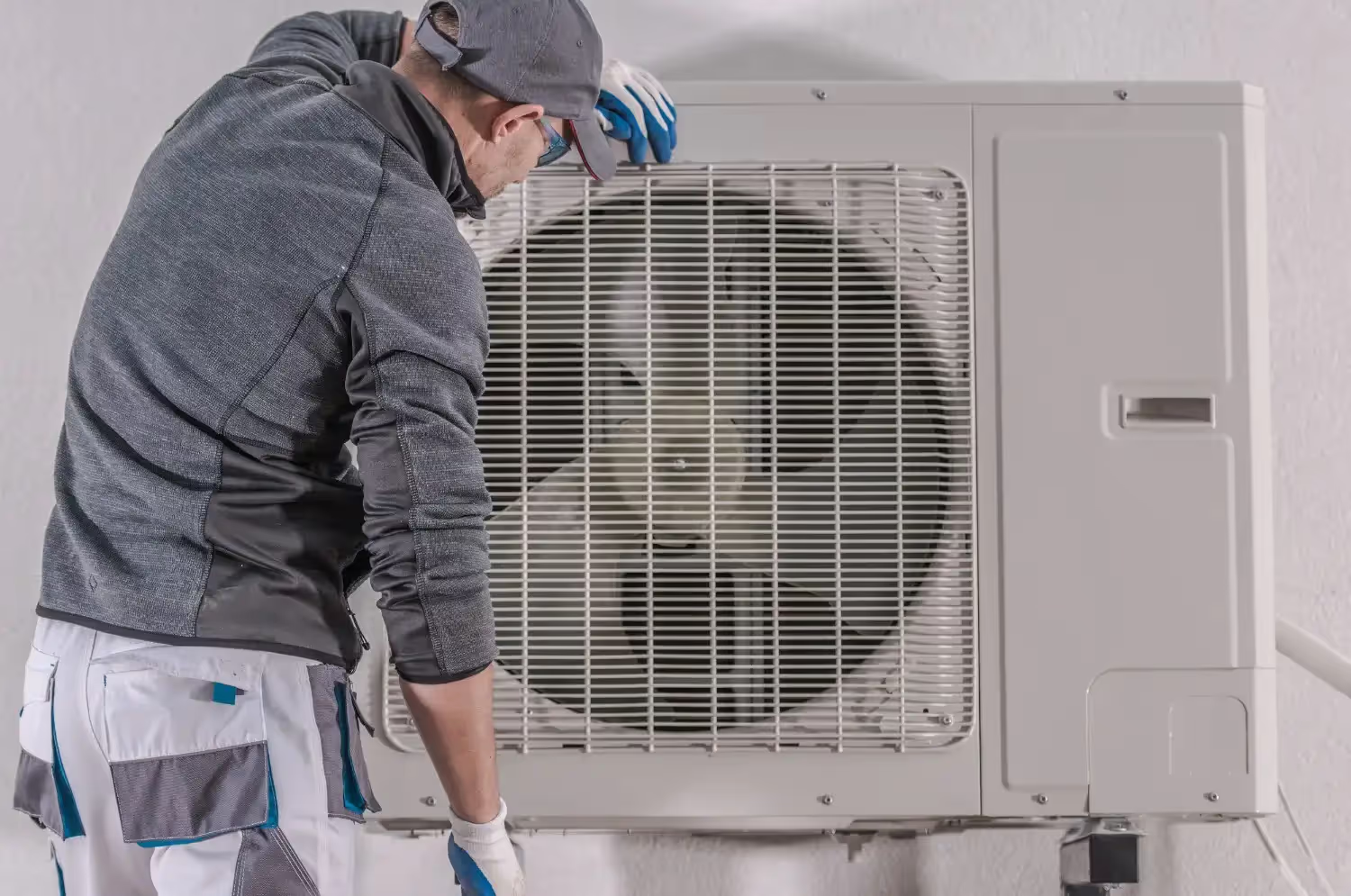
Get Reliable Heat All Winter with Professional Heat Pump Installation
Heat pumps are rapidly becoming the preferred method for climate control in New Jersey due to their dual-fuel capabilities and high energy efficiency. Unlike traditional furnaces that burn fuel to generate heat, a heat pump moves heat. Even when the temperature drops in Cherry Hill, there is thermal energy in the outdoor air. By extracting this energy and transferring it indoors, a heat pump delivers consistent warmth without the dryness often associated with gas furnaces.
The efficiency of this system is measured in HSPF2 (Heating Seasonal Performance Factor) and SEER2 (Seasonal Energy Efficiency Ratio). Higher ratings indicate a system that uses less electricity to do the same amount of work. For homeowners, this translates to lower monthly utility bills and a reduced carbon footprint. Furthermore, because heat pumps do not rely on on-site combustion, they eliminate the risks associated with carbon monoxide leaks, making them a safer choice for families.
During the humid summers typical of our region, the heat pump reverses its operation. It acts exactly like a high-efficiency air conditioner, pulling heat and humidity out of your home and releasing it outdoors. This eliminates the need to maintain two separate systems—a furnace for winter and an AC for summer. You gain a streamlined mechanical setup that frees up space and simplifies maintenance schedules.
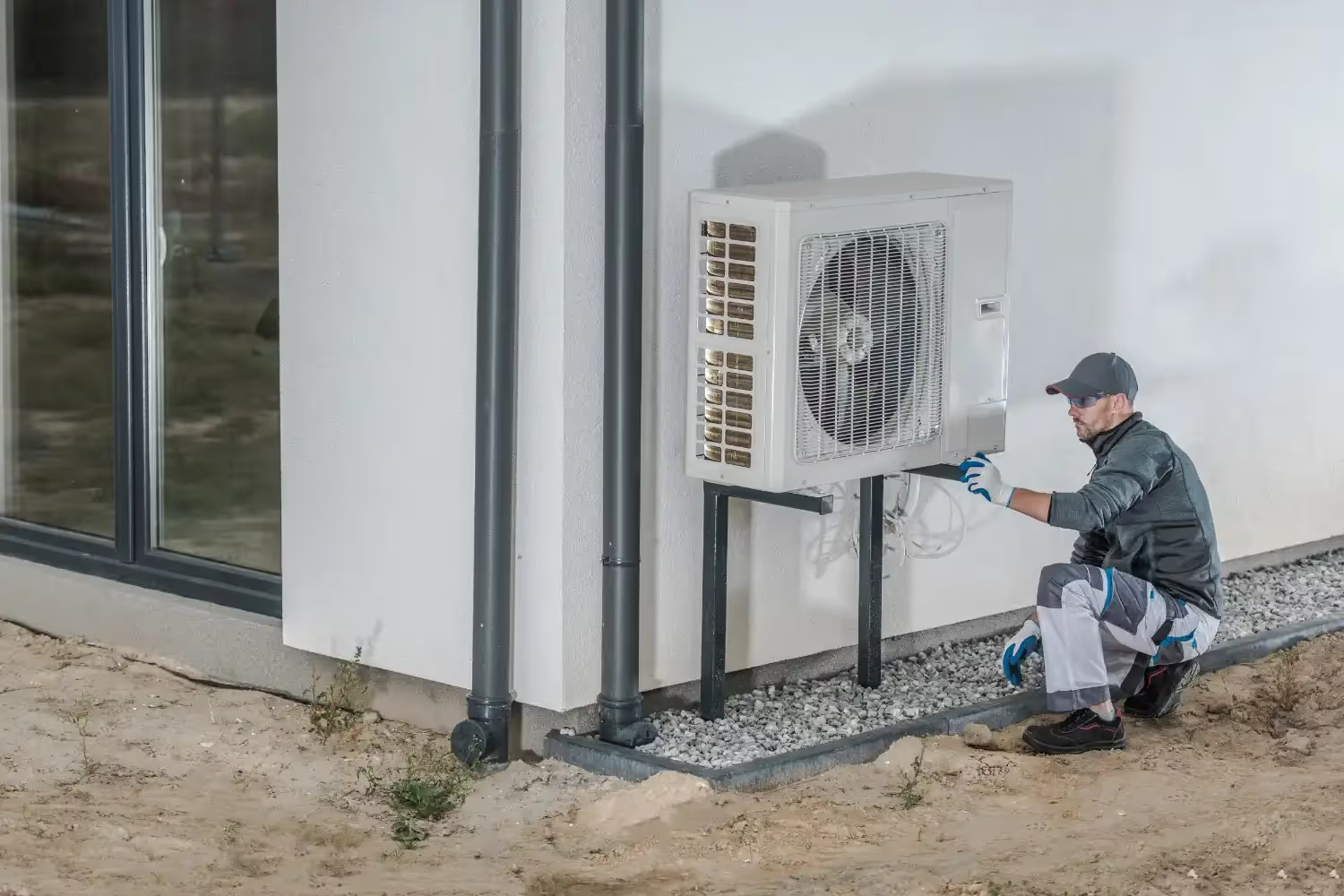
What You Get Today: Fast Installation, Transparent Pricing
When you move forward with a new installation, the goal is to minimize disruption to your daily life while maximizing system performance. We focus on precision from the moment we arrive. The process begins with a comprehensive site evaluation. We do not use "rules of thumb" or guess based on the size of your previous unit. Past systems were often oversized, leading to short-cycling and humidity issues. We perform accurate load calculations to determine the exact heating and cooling requirements of your specific floor plan.
Gibson Heating & Cooling prioritizes transparency throughout the installation phase. You will receive a clear breakdown of the equipment being installed, the timeline for the project, and the full scope of work. There are no hidden fees for ductwork modifications or electrical adjustments required to bring the system up to code. Everything is discussed and approved before work begins.
We also focus on the peripheral components that dictate system longevity. This includes inspecting the ductwork for leaks that could undermine the efficiency of the new heat pump. We evaluate the thermostat wiring to ensure it is compatible with modern, smart-control interfaces. If you are upgrading to a variable-speed or multi-stage system, proper communication between the thermostat and the air handler is critical for achieving the rated efficiency levels.
How Our Heat Pump Installation Works: Step-by-Step Guide
A successful installation relies on a strict adherence to manufacturer specifications and industry best practices. We follow a rigorous protocol to ensure every unit operates at peak performance from day one.
Site Preparation and Protection
The first step involves preparing the workspace. Technicians lay down drop cloths and wear protective shoe covers to safeguard your flooring and property. We locate the electrical disconnects and shut off power to the existing equipment to ensure safety.
Removal of Existing Equipment
We carefully disconnect the old condenser and air handler. If the existing system utilized refrigerant that is no longer environmentally compliant, we reclaim and dispose of it according to EPA regulations. We then remove the physical units and clear the pad or installation area of debris.
Positioning the New System
The outdoor unit is placed on a composite pad that elevates it above typical snow accumulation levels. This is vital for maintaining airflow during winter months. We level the unit to ensure proper oil distribution within the compressor. Indoors, the air handler is positioned to align seamlessly with your existing return and supply, or with new ductwork transitions if necessary.
Refrigerant Line Set Installation
We install the copper line set that connects the indoor and outdoor units. If we are reusing existing lines, they are flushed thoroughly to remove contaminants. If new lines are required, they are routed neatly and secured to minimize vibration. We then braze the connections using nitrogen to prevent oxidation inside the copper, which is a leading cause of premature compressor failure.
Electrical and Control Wiring
High-voltage wiring is connected from the disconnect box to the unit, adhering to all local electrical codes. Low-voltage control wires are connected to the thermostat and the air handler. We ensure the wire gauge is sufficient to handle the amp draw of the new, powerful compressor.
Vacuum and Charge
Before releasing the refrigerant, we pull a deep vacuum on the system. This removes all moisture and non-condensable gases from the lines. Moisture inside a heat pump system is catastrophic, as it can freeze and create acid that corrodes the motor windings. Once the vacuum holds, we weigh in the precise amount of refrigerant required for the length of the line set.
System Commissioning and Testing
The system is powered on and tested in both heating and cooling modes. We measure airflow (static pressure), temperature split (delta T), and amp draw to confirm the unit is operating within manufacturer specs. We also verify the defrost cycle function, which is essential for winter operation.
Final Walkthrough
We walk you through the operation of your new thermostat and explain basic maintenance tasks, such as how and when to change the air filter.
When to Choose Replacement Over Repair: A Quick Decision Guide
Deciding between repairing an aging system and investing in a new heat pump is a common dilemma. While repairs might seem cheaper upfront, they can be more costly over time if the system is nearing the end of its useful life.
Age of the Equipment
If your current heat pump or AC/furnace combo is over 10 to 12 years old, it is approaching the end of its expected lifespan. Systems built a decade ago are significantly less efficient than modern SEER2-rated units. Even if a repair restores function, you are likely paying more in monthly energy costs than necessary.
Frequency of Breakdowns
Are you calling for service every season? If you have required repairs more than twice in the last two years, the system is becoming unreliable. The "50% Rule" is a helpful metric: if the cost of the repair is 50% or more of the cost of a new system, replacement is the financially sound choice — check our promotions.
Rising Energy Bills
If your usage habits haven't changed but your energy bills are climbing, your system is losing efficiency. Wear and tear on the compressor and fan motors cause them to work harder to maintain the same temperature. A new system can reset your energy consumption baselines.
Comfort Issues
If some rooms are always too hot while others are freezing, or if the humidity levels in your home feel uncontrolled, your current system may have compressor valve issues or blower motor failure. A new installation corrects these airflow and capacity problems.
R-22 Refrigerant Phase-Out
If your old system uses R-22 (Freon), repairs involving refrigerant leaks are prohibitively expensive due to scarcity. Modern systems use R-410A or newer, more eco-friendly refrigerants that are readily available and efficient.
Local Installation Requirements: Permits, Codes, and Standards
In Cherry Hill and the surrounding areas, HVAC modifications are subject to specific building codes designed to ensure safety and energy efficiency. Proceeding without permits can lead to fines, issues when selling your home, and potential safety hazards.
Permit Acquisition
We handle the administrative burden of permit application. This generally involves submitting a mechanical permit application to the local building department. The permit ensures that the installation is logged and will be inspected by a town official to verify it meets safety standards.
Electrical Upgrades
Modern heat pumps, especially those with electric heat strips for backup, may have different amperage requirements than your old unit. Local codes dictate wire sizing and breaker ratings. If your electrical panel cannot support the new load, we identify this early. All electrical work must meet the National Electrical Code (NEC) as adopted by New Jersey.
Outdoor Unit Placement
Local zoning often dictates how close mechanical equipment can be to the property line. We ensure the outdoor condenser is placed in a compliant location that respects setbacks and noise ordinances, ensuring you and your neighbors remain undisturbed.
Condensate Management
Heat pumps produce water (condensate) during summer cooling and winter defrost cycles. Codes require this water to be drained properly, often into a condensate pump or directed away from the foundation to prevent water damage or ice hazards on walkways during winter.
Our Commitment to Quality: Experience, Certifications, Customer Satisfaction
Choosing the right contractor is just as important as choosing the right brand of equipment. A top-tier heat pump installed poorly will fail prematurely, whereas a standard unit installed perfectly can last for decades. We focus on the technical details that many skip.
Certified Technicians
Our team undergoes regular training to stay updated on the latest heat pump technologies, including inverter-driven compressors and smart-home integration. We hold certifications that validate our technical proficiency and handling of refrigerants.
Respect for Your Home
We treat your property with care. From using drop cloths to cleaning up all packaging and debris upon completion, we leave your home in better condition than we found it. We understand that an installation is a construction project within your living space, and we minimize the intrusion.
Robust Warranties
We stand behind our work. In addition to the manufacturer’s warranty on parts (often 10 years), we offer labor warranties that protect you from unexpected costs. If an issue arises related to our installation workmanship, we fix it.
Call Us Now
Your home comfort should not be a source of stress. By upgrading to a modern heat pump, you secure reliable heating and cooling for years to come. Do not let another season pass with an inefficient system that drains your wallet and fails to keep you comfortable.
Ready to upgrade your comfort? Contact Gibson Heating & Cooling today to schedule your heat pump installation.
our process
Our heating Process Section
01
Thorough Diagnosis/Consultation
We start with a comprehensive assessment of your needs.
02
Upfront & Honest Pricing
We provide a clear, detailed estimate before any work begins.
03
Professional
Schedule
Our certified technicians perform the work to the highest standards.
04
Final Inspection & Clean-up
We ensure everything is working perfectly and leave your home clean.
testimonials
The Customer Experience:
Where Comfort Meets Reliability.
Trusted by Homeowners Across Burlington County.
