
Furnace Installation in Cherry Hill, NJ

Is Your Home Losing the Battle Against Freezing Temperatures?
You rely on your heating system to protect your family from the biting New Jersey winter, but an aging or malfunctioning unit can leave you shivering in your own living room. If your home feels unevenly heated or your current system simply cannot keep up with the thermostat setting, you need a solution that guarantees warmth and safety. Contact us today to schedule a consultation or click here to explore our flexible financing options.
Residents in Cherry Hill depend on reliable heating to navigate the months of frost and humidity that define the region. A failing furnace does more than just lower your comfort levels; it drives up utility costs and poses potential safety risks through carbon monoxide leaks or electrical failures. Gibson Heating & Cooling specializes in replacing outdated, inefficient units with modern, high-performance systems designed to handle the local climate.
- Ensure a cozy home with high-efficiency heating systems designed specifically for the demands of Northeast winters.
- Slash monthly energy costs by upgrading to modern furnaces that meet or exceed current New Jersey energy efficiency standards.
- Gain peace of mind with comprehensive manufacturer warranties and professional installation certified by leading HVAC authorities.
- All installations are fully licensed, strictly adhering to NJ mechanical codes, with financing available for qualified homeowners.
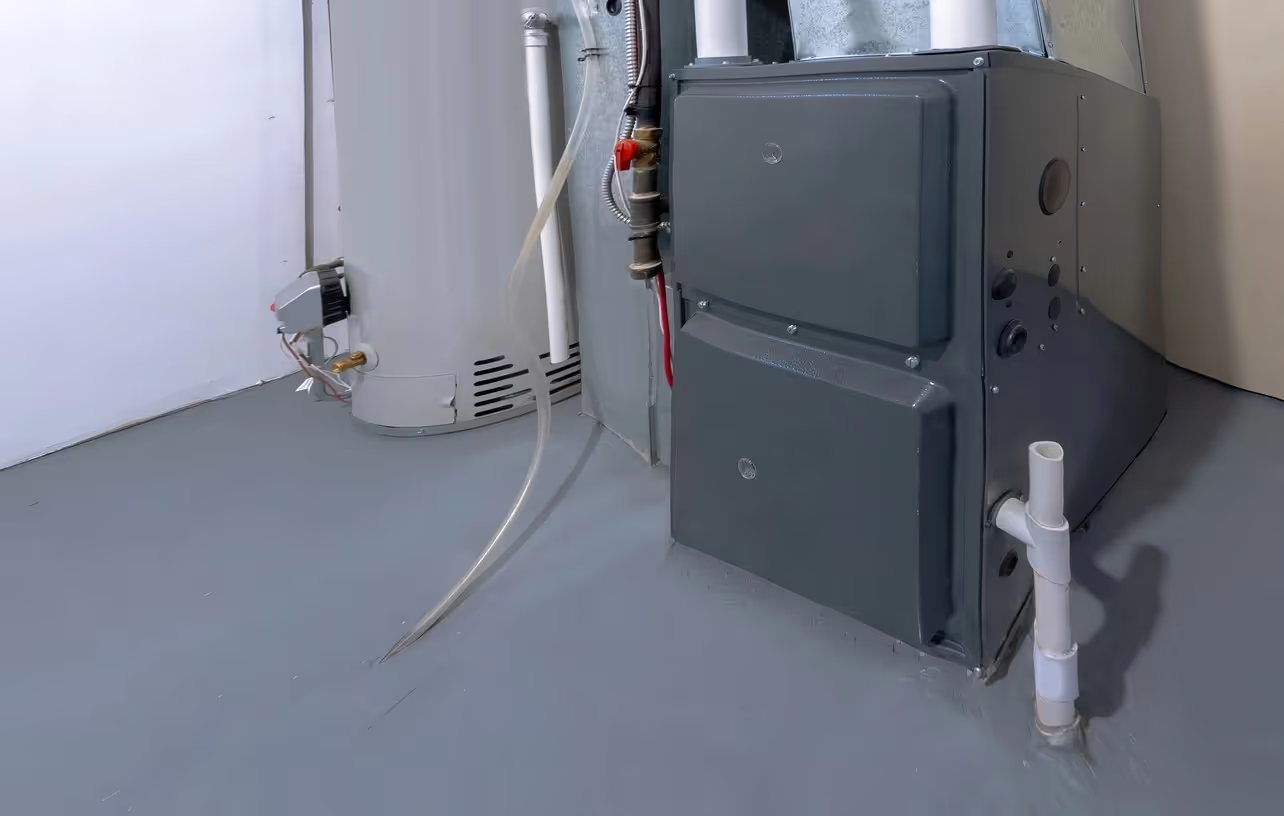
What to Expect: Installation Process and Timing
When you decide to move forward with a new heating system, the immediate concern is often the timeline. No one wants to be left without heat for days on end, especially when the temperature drops. The goal of a professional installation is to minimize disruption to your daily life while ensuring the new unit is integrated perfectly into your home’s existing infrastructure.
Most standard furnace installations are completed within a single day. The process begins with the arrival of a fully stocked service vehicle, ensuring that technicians have every part, fitting, and tool required to complete the job without unnecessary delays. The workspace is prepped to protect your flooring and belongings, treating your home with the utmost respect.
A critical component of what you receive is the safe removal and disposal of your old equipment. HVAC units contain materials and refrigerants that require specific handling protocols. You do not need to worry about hauling the old unit to a landfill; the service includes the complete extraction of the retired system, leaving your utility area clean and ready for the new equipment.
Beyond the physical installation, the scope of work includes a thorough assessment of your current ductwork and ventilation. A high-efficiency furnace cannot perform at its peak if it is pushing air through compromised ducts. The service ensures that the air distribution system is sealed and sized correctly to match the output of the new furnace, preventing pressure imbalances that could shorten the lifespan of the new investment.
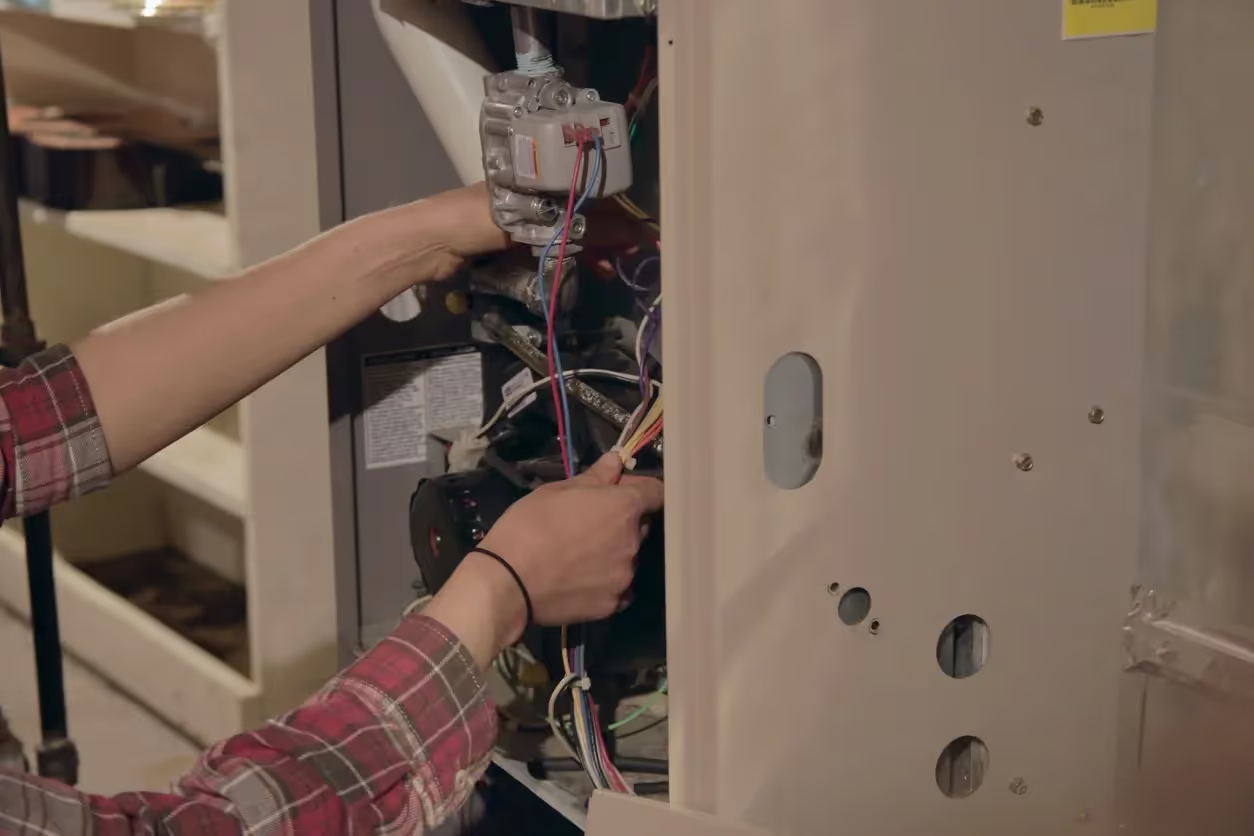
Step-by-Step: Your Path to a Warmer Home
A proper furnace installation is a systematic process that goes far beyond simply swapping boxes. It requires calculation, precision, and a deep understanding of thermodynamics and ventilation. A rigorous step-by-step approach ensures that every variable is accounted for, resulting in a system that operates safely and efficiently for years to come.
Load Calculation and Sizing
The process begins with a Manual J load calculation. This engineering standard determines the exact heating requirements of your specific home layout. It accounts for square footage, window types, insulation levels, and the orientation of the house. Installing a unit that is too large will cause "short cycling," where the furnace turns on and off rapidly, leading to wear and tear. A unit that is too small will run continuously without ever reaching the desired temperature. Accurate sizing is the foundation of efficiency.
Site Preparation and Safety Checks
Before the new unit is brought in, the installation area is prepared. This involves checking the gas lines for integrity and ensuring the electrical circuit is dedicated and grounded correctly. Technicians verify that the area around the furnace allows for proper combustion air intake, which is vital for gas furnaces to burn fuel safely without producing excess carbon monoxide.
Ductwork Adaptation and Connection
Gibson Heating & Cooling technicians then adapt the "plenum"—the box that connects the furnace to your ductwork—to fit the new unit seamlessly. This connection must be airtight. Leaks at the supply plenum are a major source of energy loss. If the new furnace has a different physical footprint than the old one, custom sheet metal transitions are fabricated to ensure a perfect fit, maintaining optimal static pressure within the system.
Venting and Drainage Installation
Modern high-efficiency furnaces (often rated 90% AFUE or higher) produce condensation and require specialized PVC venting rather than the traditional metal flues used by older units. The installation team runs new intake and exhaust piping to the exterior of the home, ensuring that exhaust gases are expelled safely away from windows and air intakes. Condensate drain lines are also installed to direct moisture to a floor drain or condensate pump.
System Commissioning and Testing
Once the physical connections are made, the system is not just turned on; it is commissioned. This involves adjusting the gas pressure at the manifold to match manufacturer specifications, measuring the temperature rise (the difference between air entering and leaving the furnace), and testing the safety limit switches. This phase confirms that the furnace is burning clean and moving air effectively.
Thermostat Integration and User Walkthrough
The final step involves connecting the thermostat. Whether utilizing existing controls or upgrading to a smart Wi-Fi-enabled thermostat, the interface is tested to ensure it communicates correctly with the furnace control board. Finally, the technician walks you through the operation, showing you how to change filters and explaining the maintenance schedule required to keep the warranty valid.
Making the Choice: Replace vs. Repair Your Furnace
Deciding whether to repair a struggling unit or invest in a replacement is a common dilemma for homeowners in Cherry Hill. While a repair might seem like the cheaper option in the short term, it often acts as a bandage on a much larger problem. Understanding the tipping point between a viable repair and a necessary replacement can save thousands of dollars over the lifespan of your home’s HVAC system.
The Age Factor
The average lifespan of a well-maintained gas furnace is between 15 and 20 years. If your unit is approaching or has surpassed the 15-year mark, major components like the heat exchanger or blower motor are statistically likely to fail. Investing significant money into a repair for a unit this old is rarely cost-effective, as another part is likely to break shortly after.
The 50% Rule
A general industry guideline is the 50% rule. If the cost of the repair is 50% or more of the cost of a new system, replacement is the smarter financial move. Additionally, you should consider the cumulative cost of repairs. If you have had to call for service multiple times in the last two years, those costs add up. A new system eliminates these frequent breakdown costs and resets the clock on component reliability.
Rising Energy Bills
As furnaces age, they lose efficiency. Parts wear down, friction increases, and soot buildup insulates heat transfer surfaces. If you have noticed a steady increase in your gas or electric bills despite usage remaining the same, your furnace is likely wasting fuel. Modern furnaces have AFUE (Annual Fuel Utilization Efficiency) ratings of 95% or higher, meaning 95% of the fuel you pay for is converted into heat. Older units may be operating at 60% or 70%. The monthly savings from a new unit can effectively subsidize the cost of installation over time — see our current promotions for deals.
Safety Concerns
The most critical factor is safety. Older furnaces are prone to cracks in the heat exchanger. This component separates the combustion gases from the air you breathe. A crack can allow carbon monoxide, an odorless and deadly gas, to leak into your home. If a technician identifies a crack in the heat exchanger, immediate replacement is almost always the only safe option, as welding or patching these cracks is not a recognized safety standard.
Comfort and Air Quality
If some rooms in your house are sauna-hot while others are freezing, your old unit may have lost the capacity to circulate air effectively. Modern variable-speed blowers run at different speeds to gently mix the air, providing consistent temperatures throughout the home. Furthermore, newer systems offer better humidity control and filtration options, significantly improving indoor air quality.
Cherry Hill Specifics: Permit Process and Seasonal Tips
Operating in this region requires specific knowledge of local building codes and climate challenges. Installing a furnace in Cherry Hill, NJ, is not a "wild west" scenario; it is a regulated construction activity that requires compliance with state and municipal safety standards.
Navigating Permits and Inspections
In New Jersey, replacing a furnace requires a construction permit. This is a safeguard for the homeowner. It ensures that the work was performed by a licensed contractor and meets the safety requirements of the Uniform Construction Code (UCC). Professional installers handle the administrative burden of filing the permit application with the local building department. Once the installation is complete, a municipal inspector will visit to verify that the gas piping, electrical connections, and venting meet safety codes. This validation is crucial for your safety and is often required when you eventually sell your home.
Utility Coordination
Depending on your specific location, you may be serviced by different energy providers for gas and electricity. Professional installers coordinate with these utilities when necessary, particularly if a meter upgrade is required to handle increased load or if there are issues with the gas pressure entering the home.
Seasonal Considerations
The local climate oscillates between humid summers and freezing winters. This seasonality impacts how a furnace must be installed. For instance, because the furnace often shares ductwork with the air conditioning system, the installation must account for the cooling coil. In winter, condensation lines must be protected from freezing if they run through unconditioned spaces like attics or crawlspaces.
Furthermore, New Jersey winters can bring heavy snow. High-efficiency furnaces vent through the sidewall of the house, usually near the ground. Installers familiar with the region will position these vents high enough to avoid being blocked by snowdrifts, which would cause the furnace to shut down automatically as a safety precaution.
Trusted by Locals: Why Choose Us
When it comes to the safety and comfort of your home, the quality of the installation is just as important as the brand of the equipment. A top-tier furnace installed poorly will fail prematurely and operate inefficiently. You need a partner who understands the technical nuances of modern heating systems and stands behind their work.
Certified Expertise
Technical proficiency is non-negotiable. Technicians should hold certifications such as NATE (North American Technician Excellence), indicating they have passed rigorous testing on real-world working knowledge of HVAC systems. This expertise ensures that gas pressure is calibrated to the inch-water column, airflow is balanced to the cubic foot per minute, and electrical connections are secure.
Transparency and Warranties
You deserve a clear understanding of what you are paying for. Professional service means transparent, flat-rate pricing provided upfront, so there are no surprises on the final invoice. Beyond the manufacturer’s warranty on parts (which often covers 10 years), a reputable installer provides a labor warranty. This guarantees that if an issue arises due to the installation workmanship, it will be resolved at no cost to you.
Respect for Your Home
Inviting contractors into your home requires trust. The best teams prioritize cleanliness and courtesy. This includes wearing shoe covers to protect carpets, using drop cloths in work areas, and cleaning up all debris before leaving. The goal is to leave the home warmer and cleaner than it was found.
Long-Term Partnership
Installation is just the beginning of the lifecycle of your heating system. Choosing a local provider means you have a partner for ongoing maintenance. Annual tune-ups are essential to keep the warranty active and ensure the system runs efficiently. A local team can respond quickly to any future needs, knowing the history of the installation and the specific configuration of your home.
Call Us Now
Your home’s comfort is too important to leave to chance or inexperienced hands. Ensure your family stays warm through the harshest winter nights with a system built for reliability and efficiency. Call us now to book your furnace installation service and secure your home’s comfort for the season ahead.
our process
Our heating Process Section
01
Thorough Diagnosis/Consultation
We start with a comprehensive assessment of your needs.
02
Upfront & Honest Pricing
We provide a clear, detailed estimate before any work begins.
03
Professional
Schedule
Our certified technicians perform the work to the highest standards.
04
Final Inspection & Clean-up
We ensure everything is working perfectly and leave your home clean.
testimonials
The Customer Experience:
Where Comfort Meets Reliability.
Trusted by Homeowners Across Burlington County.
