
Furnace Installation in Delran, NJ

Is Your Home Losing Heat Just When You Need It Most?
Facing cold nights with a broken heating system in Delran can be frustrating and even dangerous for your plumbing and family comfort. When your heating system fails during the peak of winter, you need a solution that restores warmth immediately without the hassle of repeated service calls. Contact us today to schedule your furnace assessment or apply for financing.
Gibson Heating & Cooling offers quick installations and reliable replacements to ensure your home stays warm throughout the winter season. We understand that a furnace breakdown is rarely planned, which is why our process is designed for speed, accuracy, and long-term reliability.
- Same-day furnace installation capabilities to quickly restore heat to your home.
- Certified technicians ensure a reliable, high-quality service experience on every job.
- Flexible financing options available to make the process budget-friendly.
All work adheres to NJ code standards, complete with warranty coverage and full financing support.

Comprehensive Furnace Installation Solutions for Your Home
When you invest in a new heating unit, you are purchasing more than just a piece of machinery; you are securing the comfort and safety of your home for the next 15 to 20 years. A modern furnace installation involves evaluating the entire heating envelope of your property to ensure maximum efficiency. Older units often operate at 60% to 80% efficiency, meaning a significant portion of your energy bill is wasted. New systems installed today adhere to higher AFUE (Annual Fuel Utilization Efficiency) standards, often exceeding 95%, which translates to direct monthly savings.
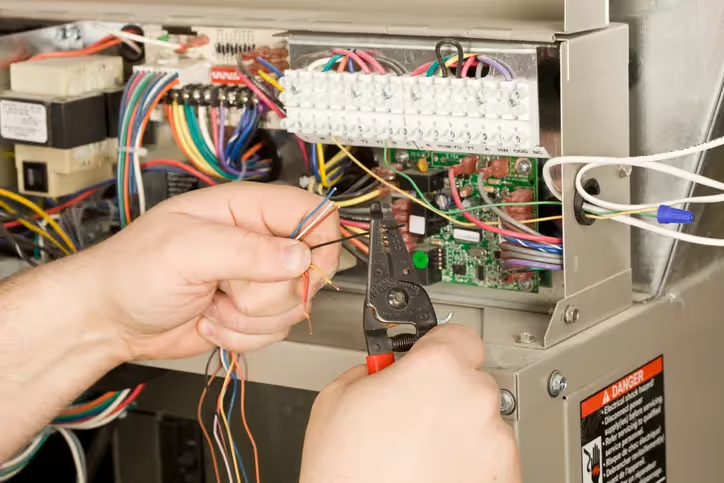
Getting a new system installed involves a technical assessment of your current ductwork and ventilation. Simply dropping a new unit into the footprint of an old one without checking the airflow dynamics can lead to short-cycling and uneven heating. Professional installation ensures that the blower motor, the burner assembly, and the heat exchanger are perfectly matched to your home’s square footage and insulation levels. This precise sizing, often referred to as a Manual J load calculation, prevents the system from being overworked or underutilized.
Key components of a modern installation include:
- High-Efficiency AFUE Ratings: Systems designed to convert a higher percentage of fuel into usable heat, reducing waste and lowering utility costs.
- Variable Speed Blowers: Technology that adjusts airflow based on the specific heating demand of the moment, eliminating cold spots and reducing noise.
- Smart Thermostat Integration: Seamless connectivity with modern controls to allow for remote temperature management and zoning capabilities.
- Enhanced Safety Features: Advanced sensors and shut-off mechanisms that detect issues with gas flow or ventilation before they become hazards.
The Installation Process: From Assessment to Heat
A professional installation follows a rigorous protocol to ensure safety and performance. This is not a plug-and-play appliance; it requires gas fitting, electrical work, and ventilation calibration. The goal is to minimize disruption to your daily life while ensuring the system operates at peak performance from the moment it is turned on.
- Site Evaluation and Sizing: The process begins with a technician measuring your home’s heating load. This involves checking window types, insulation quality, and total square footage. This step ensures the selected unit has the correct BTU capacity to heat the home during the coldest Delran nights without short-cycling.
- Removal of the Old Unit: Technicians safely disconnect gas lines and electrical wiring. The old furnace is removed with care to avoid damage to the surrounding area. Disposal of the old unit is typically handled by the service provider, ensuring environmentally responsible recycling of metals and components.
- Ductwork and Ventilation Inspection: Before the new unit is placed, the existing plenum and return air drops are inspected. If there are leaks or obstructions in the ductwork, they are addressed to ensure the new furnace can push air effectively to every room. The flue pipe is also checked to ensure dangerous combustion gases are vented correctly outside.
- System Connection: The new furnace is positioned and leveled. Gas lines are reconnected and tested for leaks using pressure gauges. Electrical connections are made to code, and the condensate drain line is installed if the unit is a high-efficiency condensing model.
- Calibration and Testing: Once connected, the system is fired up. Technicians measure the temperature rise (the difference between air entering and leaving the furnace) to ensure it matches the manufacturer’s specifications. Gas pressure is adjusted to ensure the flame burns clean and efficient.
- Final Walkthrough: The technician walks the homeowner through the operation of the new system, explains filter maintenance schedules, and demonstrates how to use the thermostat for maximum efficiency.
Replacing vs. Repairing: Making the Right Financial Decision
Homeowners often struggle with the decision of whether to sink more money into a failing unit or invest in a replacement. While repairs may seem cheaper upfront, they can be a financial drain if the system is nearing the end of its lifespan. Understanding the tipping point between repair and replacement is crucial for long-term savings.
One standard metric used in the industry is the age of the system. Most furnaces have a lifespan of 15 to 20 years. If your unit is approaching or has surpassed this age range, parts availability becomes scarce, and major components like the heat exchanger are more prone to failure. A cracked heat exchanger is a serious safety risk that necessitates immediate replacement, as it can leak carbon monoxide into the living space.
Consider these factors when deciding:
- The 50% Rule: If the cost of the repair approaches 50% of the cost of a new system, replacement is generally the smarter financial move. Investing half the cost of a new unit into an old one that might fail again in six months is rarely cost-effective.
- Frequency of Breakdowns: If you have required service calls more than twice in the last two years, the system is becoming unreliable. Frequent breakdowns indicate that internal components are wearing out simultaneously.
- Rising Energy Bills: As furnaces age, they lose efficiency. If your fuel usage has increased despite normal weather patterns, the internal mechanisms are likely struggling to maintain temperature. A new system can reset your energy consumption to a lower baseline.
- Uneven Heating: If some rooms are sweltering while others are freezing, the blower motor or the duct system may no longer be compatible with the furnace's current operating condition.
Navigating Local Requirements and Seasonal Demands
Operating in Delran, NJ, requires specific attention to local climate patterns and regulatory codes. The region experiences a temperate climate with four distinct seasons, but winters can be harsh. Temperatures frequently drop between 20°F and 45°F, and snowstorms are not uncommon. This specific climate data means that heating systems must be robust enough to handle sustained freezing temperatures without faltering.
Permitting and Code Compliance
New Jersey operates under the Uniform Construction Code (UCC). Replacing a furnace is a regulated activity that requires a permit to ensure the work meets safety standards. This includes verifying that gas piping is secure, electrical connections are grounded, and exhaust ventilation meets clearance requirements. Professional installers handle the permit application process and schedule the required municipal inspections, removing the administrative burden from the homeowner.
Rebates and Incentives
New Jersey often offers incentives for upgrading to high-efficiency heating equipment. Programs like the NJ Clean Energy Program or federal tax credits under the Inflation Reduction Act can significantly offset the initial investment. To qualify for these rebates, the equipment usually must meet specific AFUE ratings, and the installation must be performed by a licensed contractor.
Seasonal Timing
The demand for furnace installation peaks in late autumn (September through November) as homeowners prepare for the winter. Scheduling an installation during this window ensures you are not caught in a backlog when the first freeze hits. However, emergency replacements are available year-round because heating failures do not always adhere to a convenient schedule.
Understanding Furnace Types and Configurations
Selecting the right hardware is a critical part of the installation process. The market offers several configurations, each with different benefits regarding comfort and efficiency. Understanding the differences helps in making an informed choice that aligns with your specific comfort needs.
Single-Stage Furnaces
These are the most basic models. They have two settings: on and off. When the thermostat calls for heat, the furnace runs at 100% capacity until the target temperature is reached, then shuts off. While reliable and lower in upfront cost, they can result in temperature swings and are generally louder than more advanced models.
Two-Stage Furnaces
These units can operate at a lower capacity (usually around 60-70%) for milder days and ramp up to 100% only when the temperature drops significantly. This allows for longer, quieter running cycles that provide more even heat distribution and better air filtration.
Modulating Furnaces
These represent the highest tier of efficiency and comfort. Modulating furnaces can adjust their heat output in tiny increments (often as small as 1%) to maintain the temperature within a fraction of a degree of the thermostat setting. They run almost continuously at very low levels, which eliminates cold drafts and maximizes energy efficiency.
Fuel Source Considerations
While natural gas is the most common fuel source in the area, some homes rely on propane or oil. Gibson Heating & Cooling technicians are trained to handle conversions or specific installations for different fuel types, ensuring that the burner assembly is correctly calibrated for the specific energy source available at the property.
Why Choose Professional Installation
While the temptation to cut costs with handyman services or unverified contractors exists, the risks far outweigh the savings. A furnace involves combustible gases, high-voltage electricity, and exhaust fumes. Improper installation can lead to gas leaks, electrical fires, or carbon monoxide poisoning. Furthermore, manufacturers almost universally void warranties if the equipment is not installed by a certified professional.
Professional installation guarantees that the manufacturer’s warranty remains valid. It ensures that the system is vented correctly according to local building codes, preventing moisture damage and health hazards. A professional team also respects your property, using drop cloths and shoe covers to keep your home clean during the removal and installation process.
When you choose a dedicated service provider, you also gain access to post-installation support. A new system needs to be maintained to keep its efficiency high. Professional installers provide the necessary documentation and often offer maintenance plans that keep the warranty active and the system running smoothly for years.
Call Now
Your home’s comfort and safety depend on the quality of your heating system. Do not wait until the middle of a blizzard to address a failing furnace. Secure your home against the cold with a professional installation that guarantees warmth, efficiency, and peace of mind — contact us today.
Ensure your home is ready for the winter months by scheduling your consultation today.
our process
Our heating Process Section
01
Thorough Diagnosis/Consultation
We start with a comprehensive assessment of your needs.
02
Upfront & Honest Pricing
We provide a clear, detailed estimate before any work begins.
03
Professional
Schedule
Our certified technicians perform the work to the highest standards.
04
Final Inspection & Clean-up
We ensure everything is working perfectly and leave your home clean.
testimonials
The Customer Experience:
Where Comfort Meets Reliability.
Trusted by Homeowners Across Burlington County.
