
Air Conditioning Replacement in Delran, NJ

Is Your Cooling System Failing When You Need It Most?
When your air conditioner quits on the hottest day of the year, you need a solution—fast. Discover how our immediate, reliable air conditioning replacement services can bring back your comfort without delay; contact us to discuss financing options and schedule your installation.
Residents in Delran, NJ know that summer temperatures often soar above 85°F, making a functioning cooling system a necessity rather than a luxury. Gibson Heating & Cooling provides the expertise required to restore your home's environment swiftly.
- Same-day replacement to ensure uninterrupted comfort.
- Energy-efficient systems that reduce monthly bills.
- 10-year warranties for long-term peace of mind.
All replacements are conducted with proper permits and financing options are available.
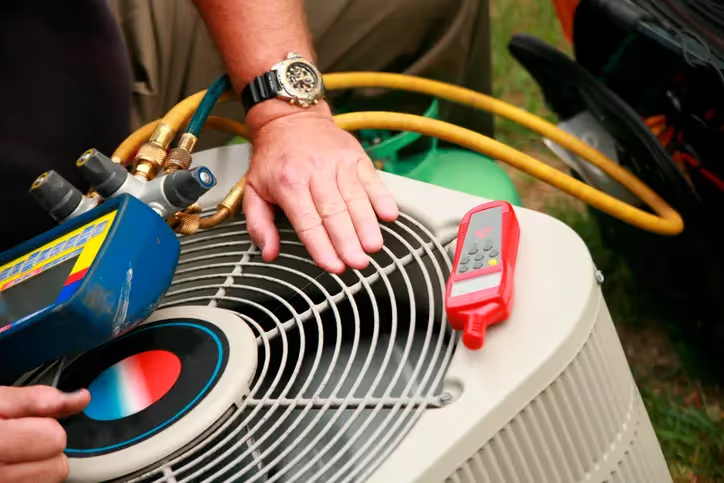
What to Expect From A Professional System Replacement
Securing a new air conditioning system involves more than simply swapping one metal box for another. A professional replacement is a comprehensive service designed to optimize your home’s thermal envelope and ensure the longevity of your investment. When you commit to a replacement, the immediate focus shifts to assessing the current load requirements of your property. Homes in Delran may have undergone renovations, window upgrades, or insulation changes since the last unit was installed. These factors alter the cooling load, meaning a direct swap of the same size unit is rarely the most efficient path.

The scope of a modern replacement includes a complete evaluation of the ductwork infrastructure. Even the highest-rated air conditioner cannot perform effectively if it is connected to leaky or undersized ducts. The service includes sealing minor leaks and recommending modifications to airflow design to eliminate hot spots in second-story bedrooms or sun-facing living areas. The goal is to provide a turnkey solution where the new equipment integrates seamlessly with your existing infrastructure.
Timeline is a critical factor for homeowners making a decision during the peak of summer. A standard replacement is typically completed within a single day. The process involves the safe recovery of old refrigerant, removal of the obsolete condenser and evaporator coil, and the precise installation of high-efficiency equipment. By the end of the service day, the system is tested, the workspace is cleaned, and the home is returning to a comfortable temperature.
The System Installation Process Step-by-Step
Understanding the mechanics of an installation helps homeowners appreciate the technical precision required for a successful replacement. Our technicians follow a rigorous protocol to ensure every component functions according to manufacturer specifications.
Site Preparation and Protection
First, the technical team prepares the workspace to protect your property. Drop cloths are laid down in traffic areas, and safety perimeters are established around the outdoor unit. The electrical power is disconnected at the service panel to ensure safety during the procedure.
Refrigerant Recovery and Removal
Next, the existing refrigerant is recovered from the old system. This is a crucial environmental step mandated by EPA regulations. Once the lines are clear, the old condenser (outdoor unit) and evaporator coil (indoor unit) are disconnected. The team removes the debris and prepares the mounting pad or plenum for the new equipment.
Equipment Positioning and Connection
The new condenser is positioned on a level pad to minimize vibration and noise. Inside, the new evaporator coil is fitted into the air handler or furnace. Technicians then braze the copper refrigerant lines using nitrogen to prevent oxidation inside the pipes, ensuring a clean system that will not suffer from premature compressor failure.
Electrical and Drainage Integration
Following the mechanical connections, the high-voltage and low-voltage electrical wiring is connected. A new disconnect box and whip are often installed to meet current building codes. Simultaneously, the condensate drain lines are reconfigured and fitted with safety float switches to prevent water damage in case of a blockage.
System Vacuum and Charging
Before the system is turned on, a deep vacuum is pulled on the refrigerant lines to remove all moisture and non-condensable gases. This step is vital for the longevity of the compressor. Once the vacuum holds, the system is charged with the precise amount of refrigerant required for the specific line set length.
Final Testing and Commissioning
Finally, the system is powered up. Technicians measure static pressure, airflow, and temperature splits (the difference between supply and return air) to verify performance. The thermostat is programmed, and the homeowner is walked through the operation and maintenance requirements of the new system.
Determining When Replacement Outweighs Repair
Deciding between repairing an aging unit and investing in a new system is one of the most common dilemmas homeowners face. While repairs can offer a short-term fix, there is a mathematical and practical tipping point where replacement becomes the more financially sound decision.
The 50% Rule
A general industry standard is the 50% rule. If the cost of the necessary repair approaches or exceeds 50% of the value of a new system, replacement is the smarter choice. Spending significant capital on a compressor or coil for an older unit often leads to "throwing good money after bad," as other components are likely to fail shortly after.
System Age and R-22 Freon
Air conditioners generally have a lifespan of 10 to 15 years. If your unit is over 10 years old and requires a major repair, replacement is recommended. Older units often utilize R-22 refrigerant (Freon), which has been phased out. Servicing these units is becoming prohibitively expensive due to the scarcity of the refrigerant. Modern systems use R-410A or newer refrigerants, which are more environmentally friendly and affordable to service.
Frequency of Breakdowns
If you have required multiple service calls in the last two seasons, the system is signaling the end of its reliable service life. Repeated breakdowns not only incur repair costs but also result in lost time and discomfort. A new system eliminates this instability and comes with a fresh warranty, typically covering parts for ten years.
Energy Efficiency Improvements
Technological advancements in HVAC have drastically improved energy efficiency. Gibson Heating & Cooling installs systems with high SEER2 (Seasonal Energy Efficiency Ratio) ratings. Replacing a 10 SEER unit from the early 2000s with a modern 16+ SEER system can reduce cooling costs by 20% to 40%. This monthly savings helps offset the initial investment of installation over the life of the system.
Navigating Local Delran Requirements and Climate
Operating an air conditioner in this region requires specific considerations regarding climate intensity and local regulations. The local weather patterns heavily influence the sizing and feature selection of a new AC unit.
Combating Humidity and Heat
The region experiences hot summers where temperatures frequently exceed 85°F, accompanied by high humidity levels. An air conditioner must do more than just lower the temperature; it must effectively dehumidify the air. If a system is oversized, it will cool the house too quickly and shut off before it has removed the humidity, leading to a clammy, uncomfortable indoor environment. Conversely, an undersized unit will run continuously, driving up utility bills without ever reaching the set temperature. Proper sizing calculations (Manual J) are essential to balance cooling and dehumidification for the specific climate.
Permitting and Code Compliance
New Jersey maintains strict building codes regarding HVAC installations to ensure safety and energy efficiency. Replacing an air conditioning system requires a permit from the local building department. This process ensures that the electrical connections meet safety standards and that the equipment is installed according to code. Professional installers handle the administrative burden of permit applications and coordinate the required municipal inspections upon completion. Failure to obtain permits can lead to fines and complications when selling the home in the future.
Rebates and Incentives
Homeowners should be aware of available financial incentives. Local utility companies and state programs often offer rebates for upgrading to high-efficiency heating and cooling equipment. These programs are designed to reduce the load on the electrical grid during peak summer months. Contractors can help identify which specific models qualify for these rebates, potentially saving homeowners hundreds or thousands of dollars on the installation cost.
Why Trust This Team for Your Installation
Selecting the right contractor is as important as selecting the right equipment. The quality of the installation determines 75% of the system's operating efficiency and longevity. A top-tier unit installed poorly will underperform and fail prematurely.
Licensed and Insured Professionals
Every technician on the team is fully licensed and insured, protecting the homeowner from liability. This ensures that all work is performed by trained professionals who adhere to industry best practices and safety protocols.
Local Expertise
Being deeply familiar with the local housing stock allows for better anticipation of installation challenges. Whether dealing with the tight crawl spaces common in older homes or the specific attic configurations of newer developments, local experience translates to smoother, faster installations.
Commitment to Warranty and Support
The relationship does not end when the truck drives away. A strong focus on warranty registration and post-installation support ensures that the homeowner is covered. Labor warranties are provided to back the quality of the craftsmanship, ensuring that if an issue arises related to the installation, it is resolved without additional cost to the homeowner.
Take Action Today
Securing a reliable, efficient cooling system is the key to surviving the summer heat. Don't wait until the system fails completely to explore your options.
Contact Gibson Heating & Cooling today to schedule your consultation and secure your comfort for the season ahead.
our process
Our heating Process Section
01
Thorough Diagnosis/Consultation
We start with a comprehensive assessment of your needs.
02
Upfront & Honest Pricing
We provide a clear, detailed estimate before any work begins.
03
Professional
Schedule
Our certified technicians perform the work to the highest standards.
04
Final Inspection & Clean-up
We ensure everything is working perfectly and leave your home clean.
testimonials
The Customer Experience:
Where Comfort Meets Reliability.
Trusted by Homeowners Across Burlington County.
