
Heating Installation in Delran, NJ

Is Your Home Too Cold for Comfort This Winter?
Facing unexpected heating failures as the temperature drops can be stressful and dangerous for homeowners. You need a reliable solution that can respond quickly and efficiently to restore warmth to your property. Contact us immediately to schedule an assessment or inquire about our flexible financing options.
When your heating system fails in the middle of a freeze, waiting days for a resolution is not an option. We prioritize rapid response and technical precision to ensure your home remains safe and habitable.
- Restore your comfort with priority heating installation services designed to minimize downtime.
- Benefit from seasoned professionals who understand the specific climate challenges of Delran, NJ.
- Enjoy peace of mind with comprehensive labor warranties and transparent, upfront pricing.
All installations are fully licensed, meeting local municipal codes with available financing options to ease your investment — view current promotions.

Comprehensive Heating Installation Services Available Now
When you commit to a new heating installation, you are investing in the next 15 to 20 years of your home’s comfort. The service provided today goes beyond simply dropping a new unit into the basement or utility closet. It involves a holistic approach to air management, energy efficiency, and safety compliance. We provide complete removal of old equipment, precise sizing of new systems, and integration with your existing ductwork and smart home technology.
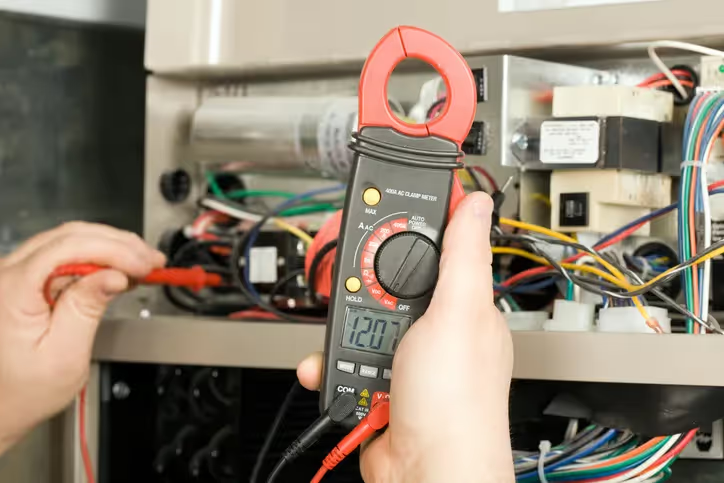
Residents in Delran, NJ, require systems that can handle the distinct shift from humid summers to freezing winters where temperatures frequently drop into the 20s. A standard installation includes a full assessment of your home’s thermal envelope. We look at insulation levels, window quality, and square footage to determine the exact heating load required. This ensures the unit we install is neither too small (which causes it to run constantly) nor too large (which leads to short-cycling and premature wear).
Our scope of work covers all major heating technologies. Whether your home relies on a high-efficiency natural gas furnace, an oil-to-gas conversion, a boiler system for radiant heat, or a modern heat pump, the installation protocols remain rigorous. We handle the logistics of delivering the new equipment, protecting your flooring during the work, and disposing of the decommissioned unit according to environmental regulations.
The Installation Process: From Assessment to Ignition
A professional heating installation follows a strict sequence of events to ensure safety and optimal performance. We do not skip steps or cut corners. Every phase of the project is managed by certified technicians who understand the mechanics of airflow and combustion.
Load Calculation and System Selection
The process begins with a Manual J load calculation. This engineering standard determines the precise heating capacity your home needs based on its layout and construction materials. Guessing the size based on the old unit is a recipe for inefficiency. Once the load is calculated, we help you select a system with the right Annual Fuel Utilization Efficiency (AFUE) rating to balance upfront costs with long-term energy savings.
Site Preparation and Removal
Before the new unit arrives, the installation area is prepped. Technicians lay down drop cloths and protective gear to keep your home clean. The old furnace or boiler is disconnected from the gas lines, electrical supply, and ventilation shafts. We carefully remove the unit to prevent damage to surrounding walls or door frames.
Ductwork and Ventilation Inspection
Installing a high-efficiency furnace on compromised ductwork limits the system's performance. We inspect the plenum and supply ducts for leaks or disconnects. If necessary, we seal connections or modify the sheet metal to accommodate the new equipment. Proper venting is also critical; for high-efficiency units, we install dedicated PVC intake and exhaust pipes to route combustion byproducts safely outside.
System Connection and Calibration
The new unit is positioned and leveled. Technicians connect the fuel supply (gas or oil), the electrical wiring, and the thermostat controls. This phase also includes installing the condensate drain line for high-efficiency models, which produce water during operation. Once connected, the system is not just turned on; it is calibrated. We adjust gas pressure, fan speed, and airflow static pressure to match manufacturer specifications.
Final Testing and Walkthrough
The installation concludes with a rigorous testing cycle. We measure temperature rise—the difference between the air entering the return and the air leaving the supply—to confirm the system is heating effectively. We check for gas leaks and carbon monoxide issues. Finally, we walk you through the operation of the new system, showing you how to change filters and program the thermostat.
When to Replace Your Heating System vs. Repair It
Deciding between another repair bill and a full replacement is a financial and logical calculation. While repairs can extend the life of a unit, there is a tipping point where replacement becomes the more economical choice. Gibson Heating & Cooling helps homeowners navigate this decision with clear data rather than sales pressure.
The 50% Rule
If the cost of a necessary repair approaches or exceeds 50% of the value of a new system, replacement is generally the smarter financial move. Investing heavy capital into a dying machine often leads to "throwing good money after bad," as other components are likely to fail soon after.
Age of the Equipment
Furnaces generally last 15 to 20 years, while heat pumps may last 10 to 15 years. If your system in Delran is approaching the two-decade mark, efficiency has likely degraded significantly. Even if it runs, it is likely costing you far more in monthly utility bills than a modern, Energy Star-rated unit would.
Frequency of Breakdowns
If you have required service calls more than twice in the last two winters, the system has become unreliable. Reliability is a safety issue during Northeast winters. A system that struggles to stay running during a cold snap puts your pipes at risk of freezing and your family at risk of discomfort.
Rising Energy Bills
An unexplained steady increase in heating costs often indicates internal wear and tear. As motors struggle and heat exchangers foul, the system consumes more energy to produce the same amount of heat. Replacing an older 70% AFUE furnace with a 96% AFUE model can result in immediate and noticeable reductions in monthly gas bills.
Safety Concerns
Cracked heat exchangers in furnaces are a serious hazard, capable of leaking carbon monoxide into the living space. If a technician identifies a crack or a significant combustion issue, replacement is rarely optional—it is a matter of safety.
Local Considerations for Delran Residents
Operating a heating system in Burlington County requires attention to specific local factors. The climate and regulatory environment in Delran, NJ, influence how installations are planned and executed. Ignoring these local nuances can lead to code violations or insufficient heating during the deepest freezes.
Permitting and Inspections
Delran Township requires construction permits for the installation or replacement of HVAC equipment. This ensures that the work complies with the Uniform Construction Code (UCC). We handle the administrative burden of filing for these permits on your behalf. Following the installation, a township inspector must verify the work, checking gas piping pressure, electrical connections, and exhaust venting. This process protects the homeowner’s liability and ensures the system is safe.
Handling Severe Winter Weather
The region experiences average winter snowfall of 20 to 30 inches and temperatures that dip well below freezing. For heat pump installations, this means the outdoor unit must be elevated on "snow legs" or a stand. This elevation prevents snow accumulation from blocking airflow, which would otherwise force the system into constant defrost mode or cause it to shut down. For gas furnaces, intake and exhaust pipes must be routed high enough on the exterior wall to avoid being buried by drifts.
Utility Coordination
We coordinate with local utility providers, such as PSE&G or generic gas providers, when upgrades to gas meters or electrical panels are necessary. If you are switching from an electric furnace to gas, or upgrading to a high-demand system, the infrastructure entering your home must be adequate. We assess this early in the process to avoid delays on installation day.
Seasonality and Scheduling
The demand for heating services spikes predictably in late autumn and early winter (November through January). To ensure you are not left waiting during a cold snap, proactive replacement in the shoulder seasons (September/October) is recommended. However, when emergency replacement is needed in January or February, we deploy resources to prioritize homes with no heat.
Why Professional Installation Matters
The quality of the installation is more important than the brand of the equipment. A top-tier furnace installed poorly will fail sooner and run less efficiently than a mid-tier furnace installed perfectly. We focus on the technical details that ensure longevity and performance.
Strict Adherence to Manufacturer Protocols
Every manufacturer provides specific guidelines regarding venting lengths, drainage slopes, and electrical grounding. Deviating from these voids warranties and reduces efficiency. We follow these manuals to the letter, ensuring that your warranty remains valid and the equipment operates as engineered.
Airflow Management
A new heater is only as good as the air it can move. We assess the static pressure of your duct system. If the existing ducts are too small for the power of the new blower motor, the system will become noisy and the motor will burn out prematurely. We make the necessary adjustments to ensuring balanced airflow to every room in the house.
Clean and Respectful Service
We treat your home with respect. This means using drop cloths, wearing shoe covers, and cleaning up all debris, metal shavings, and packaging materials before we leave. You should not have to clean up after your contractor.
Transparent Documentation
Upon completion, you receive full documentation of the work performed, including model and serial numbers, warranty registration confirmations, and permit copies. This paperwork is vital for future service reference and adds value to your home if you decide to sell.
Call Now
Secure your home against the cold today. Proper heating is not a luxury; it is a necessity for your property and your family. Reach out to Gibson Heating & Cooling to discuss your options and schedule a consultation with our installation experts.
our process
Our heating Process Section
01
Thorough Diagnosis/Consultation
We start with a comprehensive assessment of your needs.
02
Upfront & Honest Pricing
We provide a clear, detailed estimate before any work begins.
03
Professional
Schedule
Our certified technicians perform the work to the highest standards.
04
Final Inspection & Clean-up
We ensure everything is working perfectly and leave your home clean.
testimonials
The Customer Experience:
Where Comfort Meets Reliability.
Trusted by Homeowners Across Burlington County.
