
HVAC Repair in Cherry Hill, NJ

System Failure Affecting Your Comfort? Rapid Diagnostics and Restoration
Dealing with a malfunctioning HVAC system disrupts your daily life and compromises your safety, especially during the extreme weather shifts common in this region. Whether you are facing a furnace failure during a freezing January night or an air conditioner breakdown in the peak of July heat, immediate action is required to restore your indoor climate. Gibson Heating & Cooling provides prompt, professional intervention to identify the root cause of the failure and implement a lasting solution. Contact us now to schedule an emergency diagnostic visit and restore your home’s comfort.
- Experience immediate relief with 24-hour emergency protocols designed to address critical system failures day or night.
- Benefit from expert technicians who utilize advanced diagnostic tools to ensure repairs address the source of the problem, not just the symptoms.
- Enjoy transparent communication regarding the scope of work, ensuring you understand the technical requirements before any labor begins.
All repairs are performed by licensed professionals and are fully insured to guarantee compliance with local safety standards and your peace of mind.
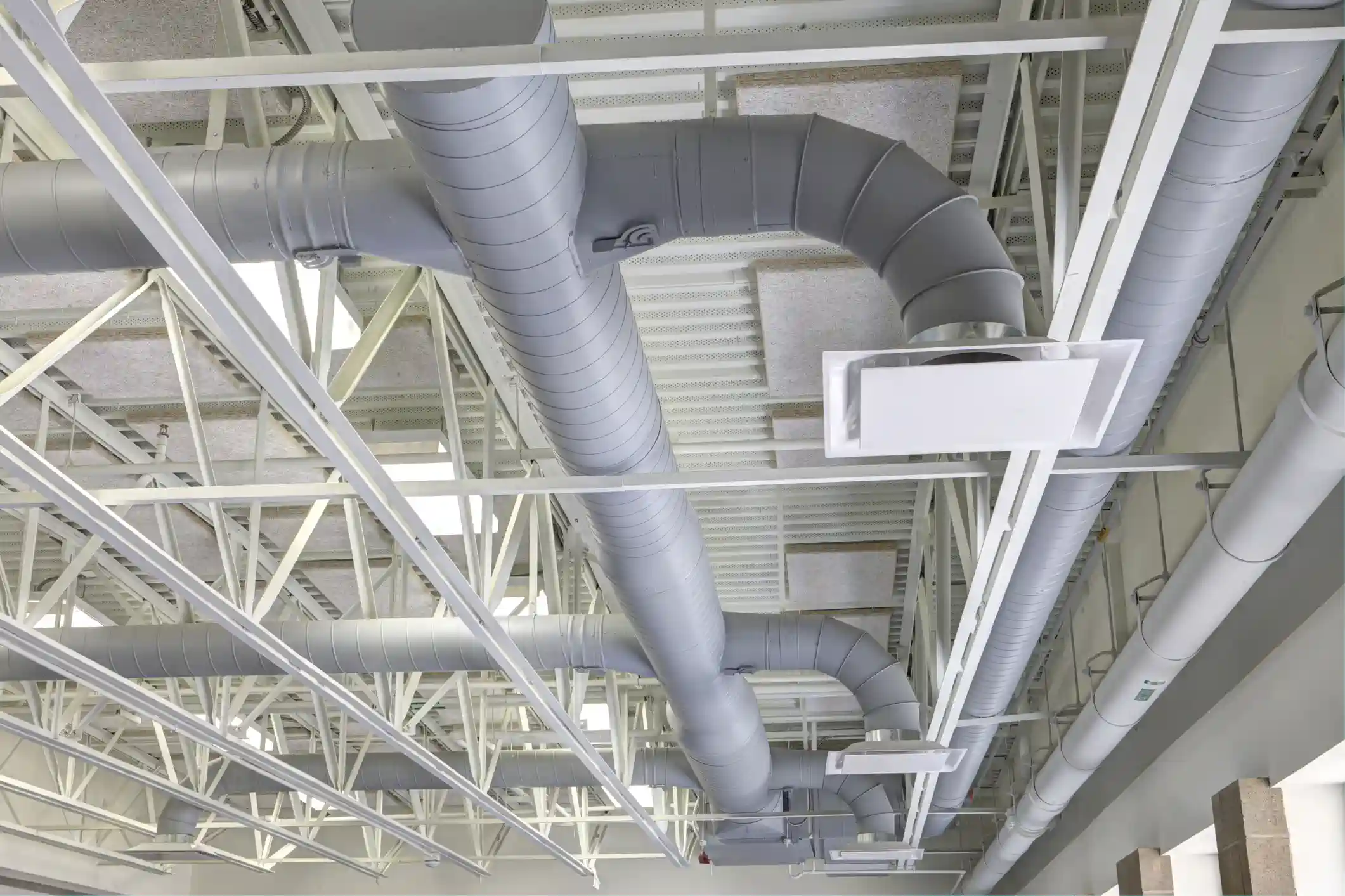
Immediate HVAC Repairs: Fast Solutions to Common Problems
When a heating or cooling system stops working, the symptoms are often distinct, but the underlying causes can vary significantly. Homeowners in Cherry Hill, NJ, frequently encounter specific mechanical issues driven by the intense workload placed on systems by the local climate. High humidity in the summer strains compressors, while freezing winter temperatures test the limits of ignition systems and heat exchangers. Identifying these issues early prevents minor malfunctions from escalating into catastrophic equipment failure.
Common system failures often manifest in the following ways:
- Insufficient Airflow: Weak air coming from vents often indicates a failing blower motor, a clogged filtration system, or breached ductwork. This forces the system to run longer to achieve the set temperature, leading to overheating and increased energy consumption.
- Inconsistent Temperatures: If one room is freezing while another is sweltering, the issue may lie with zone control dampers, thermostat calibration, or unbalanced duct pressure. This imbalance strains the central unit.
- Short Cycling: When a unit turns on and off frequently without completing a full heating or cooling cycle, it is often due to an oversized unit, a safety switch tripping, or a refrigerant leak. This behavior puts immense stress on the starter capacitor and compressor.
- Unusual Noises: Grinding, banging, or squealing sounds suggest mechanical parts are loose or bearings are worn out. Immediate attention is necessary to prevent a component from shattering inside the unit.
- Water Leaks or Ice Formation: In AC units, ice on the coils usually signifies low refrigerant or low airflow. In furnaces, water pooling around the unit can indicate a blocked condensate drain or a cracked heat exchanger, which poses a serious safety risk regarding carbon monoxide.
Addressing these issues requires a technical approach. Technicians examine the electrical connections, refrigerant levels, and combustion efficiency to provide a precise diagnosis. The goal is to restore the system to its manufacturer specifications, ensuring it can handle the specific thermal load of your home.

What You Get Today: Quick Service, Transparent Costs, and Thorough Care
Choosing a repair service means looking for efficiency without sacrificing thoroughness. The repair process is structured to minimize downtime while ensuring that the fix is durable. When a technician arrives at your property, the focus is on a systematic evaluation of the entire HVAC infrastructure, not just the broken part. This holistic approach ensures that a replaced part will not fail again due to an underlying, undetected issue.
Here is what occurs during a professional service visit:
- Comprehensive Diagnostics: Advanced tools, such as manometers and multimeters, are used to measure pressure and electrical voltage. This data provides an objective assessment of system health, removing guesswork from the equation.
- Upfront Explanations: Once the issue is identified, you receive a detailed breakdown of the problem. You are informed of what parts have failed, why they failed, and what options are available for repair — view our current promotions.
- Inventory Readiness: Service vehicles are stocked with a wide array of universal parts, including capacitors, contactors, and control boards. This preparation increases the likelihood of completing the repair in a single visit, restoring comfort immediately.
- Clean and Safe Work Site: Technicians respect your property by using drop cloths and shoe covers. The workspace is left as clean as it was found, with all debris and old components removed for proper disposal.
The priority is to get your system running efficiently. This involves checking the thermostat integration, inspecting the ductwork for leaks that waste energy, and verifying that the system cycles correctly before the technician leaves.
How We Ensure Quality HVAC Repair
Quality control in HVAC repair differs from simple handyman work; it requires a deep understanding of thermodynamics and electrical engineering. A successful repair extends the lifespan of the equipment and improves energy efficiency. To achieve this, specific protocols are followed during every service call.
- Pressure Testing: For air conditioning repairs involving refrigerant, the system is pressure-tested to locate even the smallest microscopic leaks. Simply adding more refrigerant without fixing the leak is a violation of EPA regulations and a waste of money.
- Electrical Safety Checks: Loose connections are a leading cause of system fires and component failure. Technicians tighten all electrical terminals, measure voltage and amperage draw on motors, and test safety switches to ensure they function correctly in an emergency.
- Component Matching: Replacement parts are selected to match the specific specifications of your make and model. Using incorrect parts can void warranties and reduce system efficiency.
- Combustion Analysis: For gas furnaces, a combustion analysis is performed to ensure the fuel is burning cleanly and efficiently. This step is critical for preventing carbon monoxide leaks and ensuring maximum heat output.
By adhering to these rigorous standards, Gibson Heating & Cooling ensures that every repair withstands the demands of the season. The focus remains on technical precision and adherence to industry best practices, ensuring that the repaired unit operates safely and reliably.
Deciding When Repair is Better Than Replacement: A Practical Guide
Homeowners often face the difficult decision of whether to invest in repairs for an aging system or to opt for a full replacement. This decision involves analyzing the long-term financial impact and the reliability of the current unit. While a quick repair is often the most affordable immediate option, there comes a point where sinking money into an obsolete system is no longer improved economics.
Consider the following factors when weighing repair against replacement:
- The 50% Rule: A general industry standard suggests that if the cost of the repair approaches 50% of the value of a new system, replacement is the wiser financial choice. This is particularly true if the unit is out of warranty.
- System Age: Air conditioners and heat pumps generally last 10 to 15 years, while furnaces can last 15 to 20 years. If your equipment is nearing the end of this lifespan and requires a major component like a compressor or heat exchanger, replacement offers better value.
- Frequency of Breakdowns: If you have required multiple repairs in the last two years, the system is likely entering a phase of rapid deterioration. Continuing to repair it will result in higher cumulative costs than a monthly payment on a new, high-efficiency unit.
- Energy Efficiency Ratings: Older units often have significantly lower efficiency ratings (SEER or AFUE) compared to modern standards. Upgrading can reduce monthly utility bills, offsetting the installation cost over time.
- Refrigerant Type: Older AC units utilize R-22 refrigerant, which has been phased out and is incredibly expensive to source. If an R-22 unit develops a leak, replacement is almost always the only viable option.
Technicians provide objective data to help you make this decision. You will receive a clear comparison of the repair cost versus the cost and benefits of a new system, allowing you to make an informed choice based on your budget and future plans for the home.
Understanding Local HVAC Needs: Climate and Service Tips
The climate in this region dictates specific maintenance and repair needs that differ from other parts of the country. With average July highs reaching 85°F and high humidity levels, air conditioners must work harder to dehumidify the air, not just cool it. Conversely, winters bring temperatures averaging around 25°F, with frequent snow accumulation. These environmental factors play a massive role in how HVAC systems degrade and fail.
Local conditions require specific attention to the following:
- Humidity Control: The humid subtropical climate means that AC units must be perfectly sized. An oversized unit will cool the home too quickly without removing humidity, leading to a clammy indoor environment and mold growth potential. Repairs often focus on optimizing the blower speed to enhance moisture removal.
- Winterization and Snow Clearance: Outdoor heat pump units need to be kept clear of snow drifts to maintain airflow. Technicians often see systems fail because the outdoor coil is blocked by ice or snow, causing the system to freeze up.
- Permitting and Codes: Structural repairs or system replacements in this area require adherence to New Jersey construction codes. Ensuring that all work is permitted protects the homeowner from liability and ensures the safety of the installation.
- Salt and Corrosion: While not directly on the coast, the regional use of road salts and environmental factors can accelerate corrosion on outdoor condenser coils. Regular cleaning and inspection of these coils are vital for maintaining heat transfer efficiency — view our membership plans.
Understanding these local variables ensures that the repair strategy is tailored to the specific stresses the equipment faces throughout the year.
Why Choose Us: Proven Track Record and Solid Guarantees
Selecting a service provider is about trust and reliability. You need a partner who understands the urgency of a heating loss in winter or a cooling failure in summer. The focus is on delivering technical excellence backed by tangible guarantees that protect your investment.
- Licensed and Certified Expertise: Every technician undergoes rigorous training and background checks. Certifications are maintained to stay current with the latest HVAC technologies and repair techniques.
- Warranty Protection: Repairs are backed by solid warranties on both parts and labor. If a replaced component fails within the warranty period, it is addressed promptly at no additional cost.
- Respect for Your Time: Scheduling is handled with precision. Notification systems keep you informed of technician arrival times, minimizing the disruption to your day.
- No Hidden Fees: The price quoted is the price paid. Diagnostics are thorough, and quotes are inclusive of all necessary labor and materials.
When your comfort is at stake, you need a service that combines speed, technical accuracy, and professional integrity. Gibson Heating & Cooling is dedicated to restoring your system to optimal performance, ensuring your home remains a sanctuary against the elements.
Restore Your Comfort Today
Do not let a broken HVAC system compromise your safety or quality of life. Professional diagnostics and repair services are available to get your system back up and running efficiently.
our process
Our heating Process Section
01
Thorough Diagnosis/Consultation
We start with a comprehensive assessment of your needs.
02
Upfront & Honest Pricing
We provide a clear, detailed estimate before any work begins.
03
Professional
Schedule
Our certified technicians perform the work to the highest standards.
04
Final Inspection & Clean-up
We ensure everything is working perfectly and leave your home clean.
testimonials
The Customer Experience:
Where Comfort Meets Reliability.
Trusted by Homeowners Across Burlington County.
