
HVAC Installation in Cherry Hill, NJ

Dealing with Unexpected HVAC Breakdowns and Efficiency Loss?
Is your home uncomfortably hot during Cherry Hill’s humid summer months, or are you left cold during unexpected snowfalls? Contact us today to schedule an on-site assessment or to discuss our available financing options. At Gibson Heating & Cooling, we provide fast, reliable HVAC installations designed to restore your home's comfort immediately.
- Get your new HVAC system installed efficiently to minimize downtime.
- Ensure year-round comfort with state-of-the-art technology that manages both temperature and humidity.
- Enjoy peace of mind with robust warranty coverage and a full-service guarantee.
- All installations are fully licensed, insured, and performed up to local building codes.
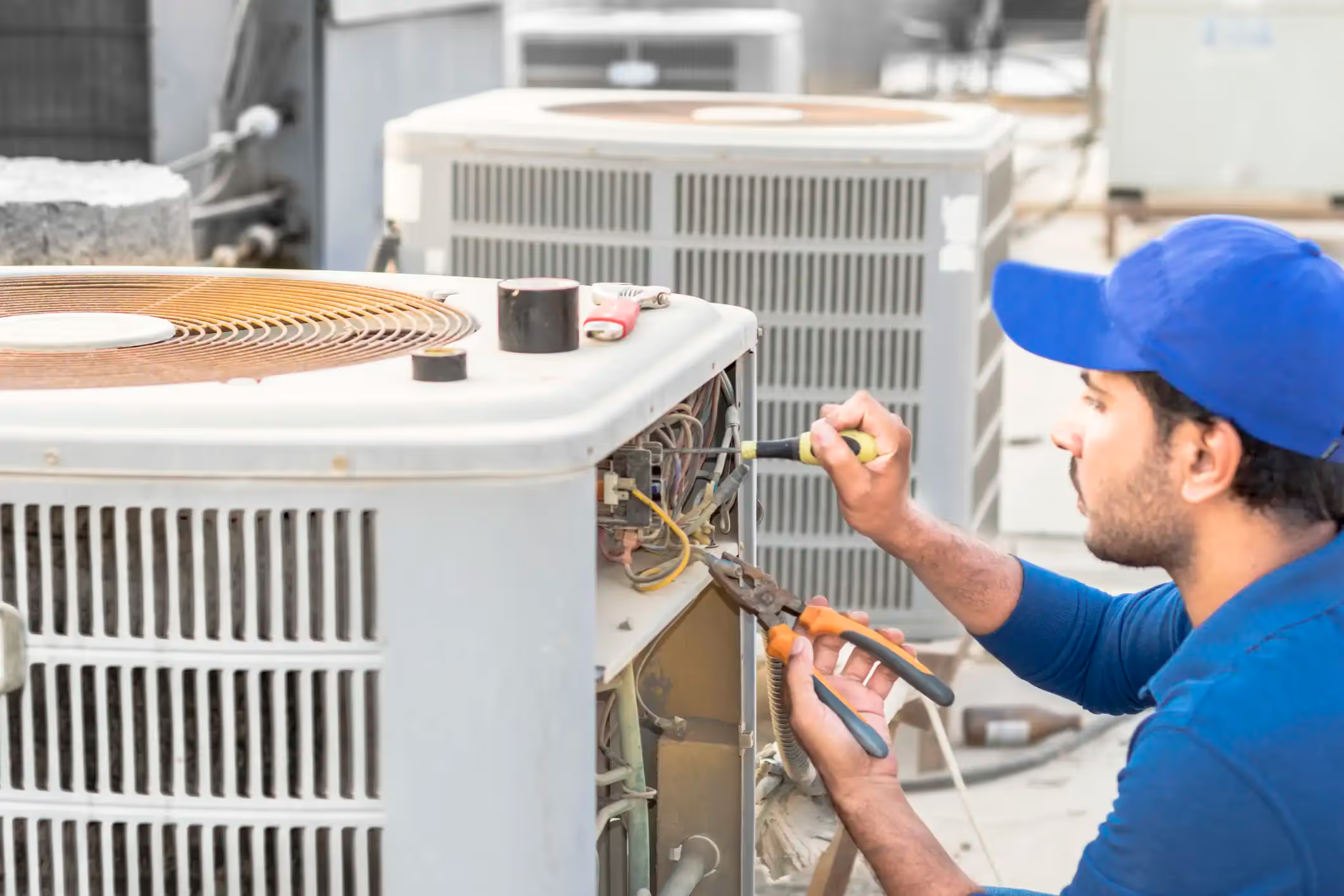
What to Expect from Professional System Replacement
Replacing a heating and cooling system is a significant investment in your property’s infrastructure. It requires more than simply swapping out an old box for a new one. A professional installation focuses on calculating the precise heating and cooling load of your specific living space. In areas like Cherry Hill, where summer humidity can be stifling and winters bring freezing precipitation, the system must be calibrated to handle extreme variances.
Modern installation involves a comprehensive evaluation of your current ductwork, insulation levels, and window efficiency. If the ductwork is leaking or undersized, even the most expensive high-efficiency unit will fail to perform correctly. The goal is to create a sealed, pressurized loop that delivers conditioned air exactly where it is needed without energy loss.
You should expect a transparent timeline. A standard installation typically takes one day, though complex systems requiring ductwork modification may take longer. The process includes the safe recovery of old refrigerant, removal of the existing unit, and the precise leveling and connection of the new equipment. Every connection, from gas lines to electrical wiring, is double-checked for safety and compliance.
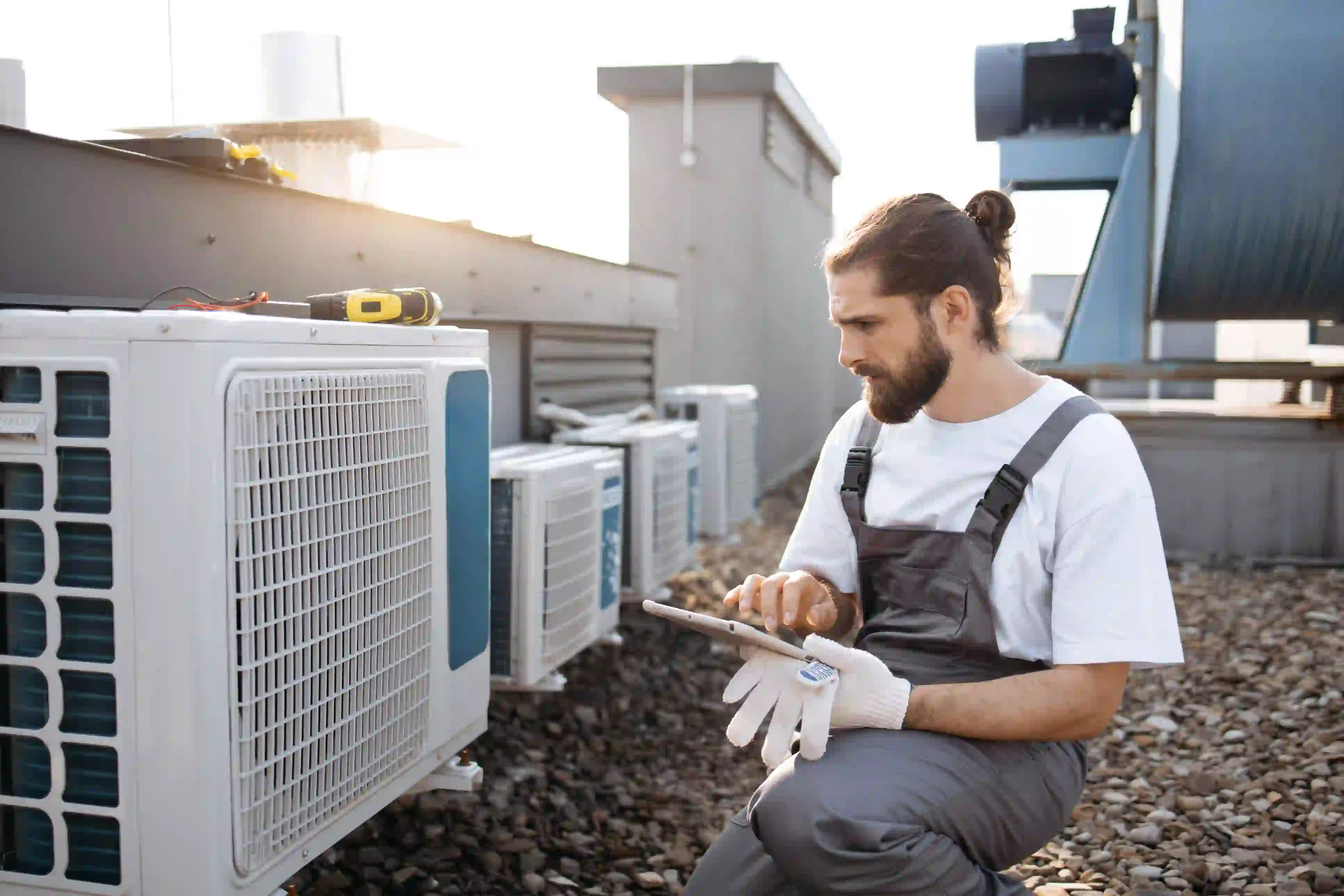
The Installation Process: Step-by-Step
We follow a rigorous protocol to ensure that every installation meets manufacturer specifications and local safety standards. This systematic approach eliminates guesswork and ensures your system operates at peak efficiency from the moment it is turned on.
- Site Assessment and Engineering: The process begins with a Manual J load calculation. We measure square footage, ceiling height, insulation quality, and sun exposure to determine the exact BTU capacity required. Oversized units cycle too frequently, while undersized units run constantly without reaching the set temperature.
- Preparation and Safety Measures: Technicians arrive with floor protection and drop cloths to keep your home clean. We disconnect gas, electric, and control wiring safely before disturbing the old unit.
- Equipment Removal and Disposal: The old furnace, air conditioner, or heat pump is disconnected. We capture existing refrigerant according to EPA regulations to prevent environmental contamination. The old equipment is removed from the premises for proper recycling or disposal.
- Positioning and Connection: The new unit is set in place. For outdoor units, we ensure a level, stable pad that promotes drainage and airflow. Indoor units are sealed to the plenum to prevent air leaks.
- System Integration: We connect the refrigerant lines, brazing them with nitrogen to prevent oxidation inside the pipes. Electrical connections and high-voltage wiring are installed and tested for proper voltage.
- Condensate Management: A new condensate drain system is installed to carry moisture away from the unit, preventing water damage to your home.
- Testing and Commissioning: Once the physical installation is complete, the system is charged with refrigerant. We test static pressure, temperature drop, and airflow to verify performance against factory specs.
- Final Walkthrough: We demonstrate how to use the new thermostat, explain filter maintenance, and review warranty registration details.
Deciding Between Repair and Full Replacement
Homeowners often face the difficult choice of sinking money into a repair or opting for a full replacement. While repairs can be a viable short-term solution, there are specific metrics that indicate a replacement is the more financially sound decision.
- The 50% Rule: If the cost of the repair approaches 50% of the value of a new system, replacement is generally the better option. Putting half the cost of a new asset into an old, depreciating asset rarely yields a return on investment.
- System Age: Heat pumps and air conditioners typically last 10 to 15 years, while furnaces may last 15 to 20. If your equipment is nearing the end of this lifespan and requires a major component like a compressor or heat exchanger, replacement is recommended.
- Efficiency Ratings: Older units often have SEER (Seasonal Energy Efficiency Ratio) ratings of 10 or 12. Modern standards require minimums of 14 or higher, with high-efficiency units reaching well over 20. Upgrading can lower monthly utility bills significantly, offsetting the monthly cost of a new system.
- Frequency of Breakdowns: If you have required multiple service calls in the last two years, the system has likely become unreliable. The cumulative cost of minor repairs often exceeds the monthly financing cost of a new, warrantied unit.
- Comfort Issues: If certain rooms are always hot while others are cold, or if the system struggles to remove humidity, the unit may be improperly sized or failing mechanically. New systems with variable-speed blowers solve these distribution issues.
Critical Local Considerations for Homeowners
Installing HVAC equipment in New Jersey requires adherence to specific local regulations and an understanding of the regional climate. Ignoring these factors can lead to code violations or a system that fails to keep up with the weather.
- Permitting and Inspections: Camden County and local municipalities require permits for HVAC replacements. This ensures that gas lines, electrical connections, and venting meet safety codes. The installation is not considered complete until it passes a municipal inspection, which safeguards your home insurance and resale value.
- Humidity Management: The region experiences high humidity in late spring and summer. Standard single-stage air conditioners often cool the air too quickly without removing enough moisture, leaving the home feeling clammy. We often recommend two-stage or variable-speed systems that run longer at lower speeds to effectively dehumidify the air.
- Winter Reliability: While winters are generally mild, temperatures do drop below freezing, and snowfall is common. For homes relying on heat pumps, it is vital to have an adequately sized backup heat source (electric strip or dual fuel) to handle days when the temperature drops below the heat pump’s efficiency balance point.
- Utility Rebates: New Jersey frequently offers incentives for upgrading to high-efficiency equipment. These programs change often but generally favor heat pumps and high-SEER air conditioners that reduce strain on the electrical grid.
The Importance of Proper Sizing and Airflow
One of the most common reasons for premature system failure is improper sizing. Many builders install "cookie-cutter" systems based on rough estimates rather than precise calculations. At Gibson Heating & Cooling, we prioritize the technical design of the system to ensure longevity.
If a system is too large, it turns on and off rapidly (short-cycling). This puts immense stress on the compressor and fan motor, leading to early burnout. It also fails to dehumidify the home. If a system is too small, it runs continuously on hot days, driving up electric bills and failing to reach the thermostat set point.
Airflow is equally critical. The ductwork acts as the lungs of your home. If the return air ducts are too small, the system "suffocates," causing the blower motor to work harder than necessary. We assess the static pressure in your ductwork to ensure the new unit can breathe freely. In some cases, minor modifications to the plenum or return drops are necessary to unlock the full efficiency of the new equipment.
Equipment Options and Energy Efficiency
Selecting the right equipment involves balancing upfront costs with long-term energy savings. The HVAC industry has moved toward smarter, more adaptive technologies.
- Split Systems: The most common configuration, consisting of an outdoor condenser and an indoor furnace or air handler. These are versatile and easier to repair due to the separation of components.
- Heat Pumps: These units move heat rather than generating it. In the summer, they act like an air conditioner. In the winter, they reverse the process to bring heat inside. They are highly efficient for the local climate, especially when paired with a gas furnace for dual-fuel capability.
- Ductless Mini-Splits: For older homes in the area without existing ductwork, or for room additions, ductless systems provide targeted heating and cooling. They allow for zoning, meaning you only condition the rooms you are using.
- SEER2 and AFUE Ratings: Recent regulatory changes have introduced SEER2, a stricter testing standard. We help you navigate these ratings to find a unit that qualifies for tax credits while delivering noticeable reductions in your monthly energy spend. High AFUE (Annual Fuel Utilization Efficiency) ratings on furnaces mean less gas is wasted and more is converted into heat for your living space.
Ensuring Long-Term Performance
The installation day is just the beginning of the system’s lifecycle. Protecting your investment requires a focus on warranty registration and routine maintenance. Manufacturers strictly enforce warranty terms; if a compressor fails due to lack of maintenance, the claim may be denied.
A new installation typically comes with a 10-year parts warranty from the manufacturer. However, labor warranties vary. We provide clear documentation on what is covered so there are no surprises down the road. Regular filter changes and annual tune-ups are non-negotiable for maintaining the validity of these warranties.
Modern systems also offer advanced monitoring capabilities. Smart thermostats can alert you when a filter needs changing or if the system is performing outside of normal parameters. This proactive approach helps prevent minor issues from turning into emergency breakdowns during the peak of summer or the dead of winter.
Book Your Service With Us
When you choose to upgrade your home’s comfort system, you need a partner who understands the technical demands of the equipment and the specific challenges of the local weather. Gibson Heating & Cooling is dedicated to delivering precise, code-compliant installations that stand the test of time.
Secure your home’s comfort and efficiency today—contact us to discuss your HVAC installation options.
our process
Our heating Process Section
01
Thorough Diagnosis/Consultation
We start with a comprehensive assessment of your needs.
02
Upfront & Honest Pricing
We provide a clear, detailed estimate before any work begins.
03
Professional
Schedule
Our certified technicians perform the work to the highest standards.
04
Final Inspection & Clean-up
We ensure everything is working perfectly and leave your home clean.
testimonials
The Customer Experience:
Where Comfort Meets Reliability.
Trusted by Homeowners Across Burlington County.
