
Heating Repair in Evesham, NJ

Restore Heat and Comfort to Your Home Immediately
As temperatures drop across Evesham, a non-functioning heater turns from a minor inconvenience into a genuine emergency within hours. Our certified technicians are ready to restore your comfort with prompt, reliable heating repair services; schedule a diagnostic or discuss financing options.
- Get immediate, 24/7 emergency heating repairs when your system fails unexpectedly.
- Benefit from a transparent pricing model with no hidden fees or surprise charges.
- Enjoy a fully restored heating system, often within the same day of your call.
- All services are backed by a satisfaction guarantee and adhere to local codes and permits.

Immediate Solutions to Heating Emergencies
When a furnace or heat pump stops working in the middle of a cold New Jersey winter, the primary concern is the safety of the home and its occupants. A lack of heat can lead to frozen pipes, water damage, and uncomfortable living conditions very quickly. Homeowners in Evesham often face these issues during the coldest nights of the year, requiring a service provider that treats every call with urgency.
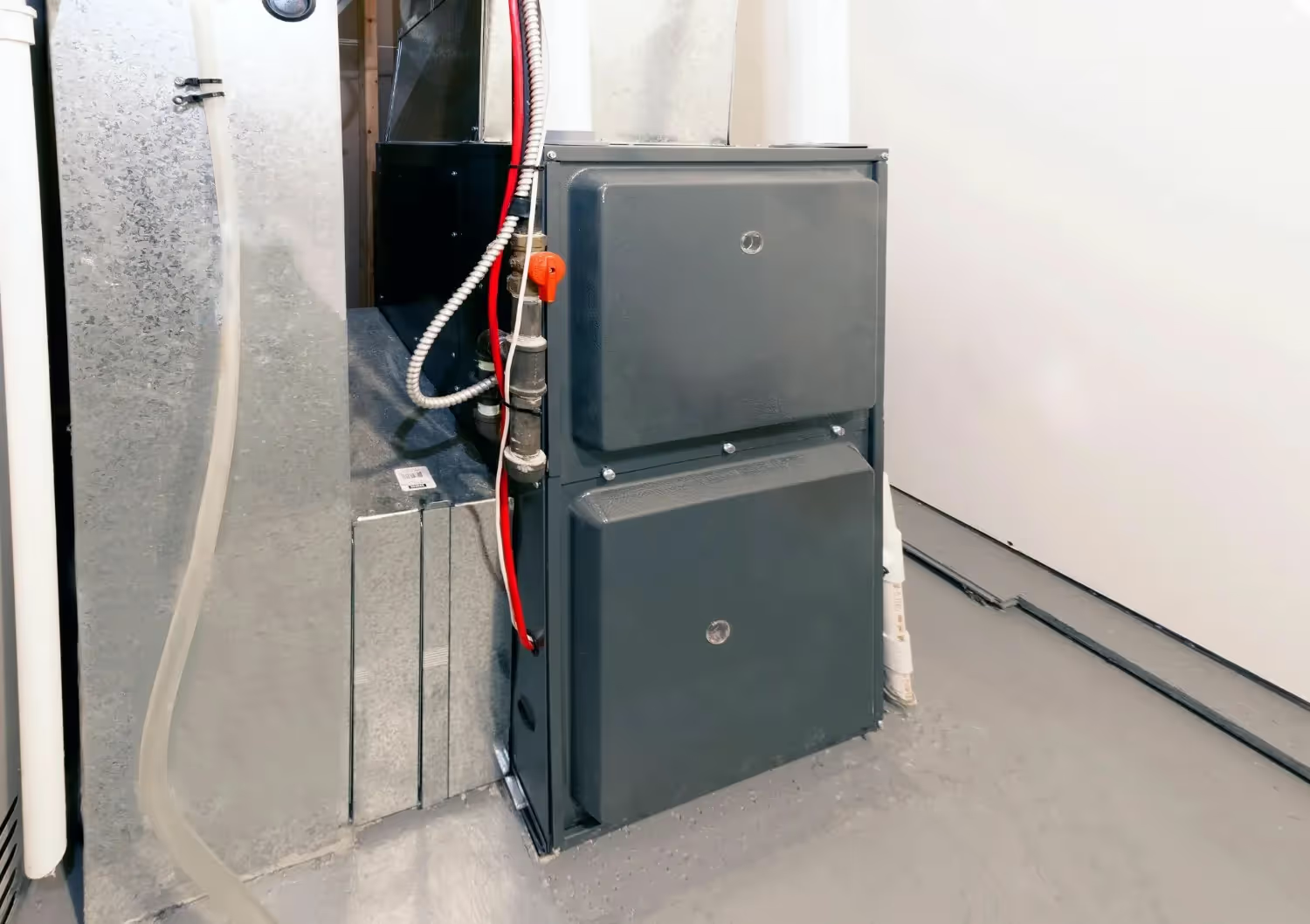
Gibson Heating & Cooling specializes in diagnosing and resolving critical heating failures. Whether the system is blowing cold air, making banging noises, or simply refusing to turn on, the goal is to identify the root cause immediately. Technicians arrive with fully stocked trucks, prepared to address common failure points such as faulty pilot lights, broken blower motors, or malfunctioning thermostats without the need for multiple trips.
Heating systems often give warning signs before a total shutdown. Short-cycling, where the unit turns on and off rapidly, or uneven heating across different rooms, indicates an underlying mechanical or electrical fault. Addressing these issues immediately prevents minor component failures from escalating into a catastrophic system breakdown that requires a full replacement.
What Our Heating Repair Services Include
Comprehensive heating repair requires more than just swapping out a part; it demands a thorough understanding of the entire HVAC ecosystem. Services cover the full range of residential heating systems found in the region, including forced-air natural gas furnaces, electric heat pumps, and boiler systems.
- System Diagnostics and Troubleshooting: Technicians utilize advanced diagnostic tools to test electrical connections, measure gas pressure, and verify airflow. This data-driven approach ensures that the repair addresses the actual source of the problem rather than just a symptom.
- Component Replacement and Repair: Common repairs include replacing ignitors, flame sensors, thermocouples, and control boards. For heat pumps, services often involve fixing refrigerant leaks, replacing capacitors, or addressing defrost board failures that prevent the unit from heating effectively during frost conditions.
- Airflow and Ductwork Assessment: A heating system cannot function efficiently if the distribution network is compromised. Services include checking for blockages, dirty filters, or disconnected ducts that restrict airflow and force the system to overwork.
- Safety Inspections: Every repair visit includes a safety check to ensure there are no carbon monoxide leaks or gas line issues. Heat exchangers are inspected for cracks, which is a critical safety step for aging gas furnaces.
- Thermostat Calibration and Replacement: Sometimes the issue lies with the controls rather than the unit itself. Services include recalibrating existing thermostats or installing modern, programmable units that communicate more effectively with the heating equipment.
The Heating Repair Process: What to Expect
Understanding the workflow of a professional repair helps homeowners manage their time and expectations during a stressful situation. The process is designed to be efficient, transparent, and focused on restoring heat with minimal disruption to the household.
- Initial Assessment and Safety Check: Upon arrival, the technician conducts a visual inspection of the unit and the surrounding area. The first step is always ensuring the scene is safe, checking for gas leaks or electrical hazards before proceeding with mechanical testing.
- Detailed System Diagnosis: Using specialized multimeters and pressure gauges, the technician tests the sequence of operation. They observe the thermostat call for heat, the ignition sequence, the combustion process, and the blower activation. This step isolates the specific component responsible for the failure.
- Clear Explanation and Quote: Once the issue is identified, the technician explains the problem in clear, non-technical terms. You receive a written estimate detailing the necessary parts and labor. No work begins until the scope and cost are approved.
- Execution of Repairs: With approval granted, the repair is performed using high-quality, manufacturer-approved parts. The focus is on precision installation to ensure the new components function seamlessly with the existing system.
- Final Testing and Cleanup: After the repair is complete, the system is run through a full heating cycle to verify performance. The technician checks for proper temperature rise and airflow. Finally, the work area is cleaned, and any old parts or debris are removed from the property.
Deciding Between Repair and Replacement: A Quick Guide
One of the most difficult decisions for a homeowner is determining when a heating system has reached the end of its viable life. While repairs are often the most cost-effective immediate solution, there are scenarios where investing in a new system is the financially smarter choice.
- The Age of the System: Furnaces typically last 15 to 20 years, while heat pumps have a lifespan of 10 to 15 years. If a unit in Evesham is approaching or has surpassed these age benchmarks, a major breakdown often signals the beginning of a series of expensive failures.
- Frequency of Repairs: If a system has required multiple repairs in the last two years, the cumulative cost often exceeds the value of the unit. A pattern of recurring breakdowns indicates that the internal components are wearing out collectively.
- The 50% Rule: A common industry standard is the 50% rule. If the cost of the current repair equals or exceeds 50% of the cost of a new system, replacement is generally recommended. This is because a new system comes with a fresh warranty, whereas a repaired old system remains out of warranty.
- Energy Efficiency and Utility Bills: Older systems often have Annual Fuel Utilization Efficiency (AFUE) ratings significantly lower than modern units. If heating bills have been steadily rising despite moderate usage, the system may have lost efficiency. Upgrading to a high-efficiency unit can result in monthly savings that offset the installation cost over time.
- Comfort and Reliability: If the current system struggles to maintain a consistent temperature, leaves cold spots in the house, or makes excessive noise, it may be undersized or deteriorating. Repairing a specific part won't necessarily fix these systemic performance issues.
Local Compliance and Seasonal Considerations
Operating a heating system in New Jersey requires adherence to specific regional factors and regulations. Evesham experiences a humid subtropical climate, meaning equipment must handle not just deep freezes but also the humidity that can lead to corrosion during the off-season.
- Permitting and Code Compliance: Major heating repairs and replacements in New Jersey often require adherence to the Uniform Construction Code (UCC). Professional technicians ensure that all work, particularly involving gas lines, exhaust venting, and electrical connections, meets state and local safety standards. This is vital for maintaining home insurance validity and resale value.
- Humidity and Corrosion: The local climate can introduce moisture into basements and crawl spaces where furnaces are often located. Over time, this humidity can cause rust on heat exchangers and electrical contacts. Technicians look for these environmental signs during repairs to advise on potential dehumidification needs.
- Winterization and Freeze Protection: Because temperatures in the region frequently drop below freezing, ensuring the condensate lines on high-efficiency furnaces do not freeze is essential. Repairs often involve insulating these lines or rerouting them to prevent ice blockages that cause system shut-offs.
- Seasonal Demand: The demand for heating repair spikes during the first cold snap of the year. Gibson Heating & Cooling advises residents to be aware of system performance during early autumn to avoid the peak-season rush. However, when emergencies happen in the dead of winter, local teams are positioned to navigate local roads and neighborhoods efficiently.
Why Choose Professional Services: Licenses, Reviews, and Guarantees
Selecting a service provider is about trust and technical competence. The heating system is a complex appliance involving combustible gases, high-voltage electricity, and carbon monoxide exhaust. Attempting DIY repairs or hiring unqualified labor poses significant safety risks.
- Certified Expertise: Professional technicians undergo rigorous training and certification processes. They are well-versed in the latest HVAC technologies as well as legacy systems found in older homes. This expertise ensures that the diagnosis is accurate the first time — read our reviews.
- Licensed and Insured: Reputable providers carry full liability insurance and workers' compensation. This protects the homeowner from liability in the event of an accident during the repair process. Furthermore, state licensing serves as proof of competency and adherence to industry standards.
- Warranty Protection: Professional repairs come with warranties on both parts and labor. If a replaced component fails prematurely, the homeowner is not responsible for the cost of fixing it again. This peace of mind is not available with amateur repairs.
- Access to Parts: Established companies maintain relationships with major HVAC distributors. This grants access to a wide inventory of parts, reducing the waiting time for specific components that might not be available at a local hardware store.
- Commitment to Safety: Beyond getting the heat back on, the priority is ensuring the air in the home is safe to breathe. Professionals possess the tools to detect minute gas leaks and verify that exhaust gases are venting properly outside the home, preventing carbon monoxide buildup.
Call Us Now!
When your heating system fails, you need a partner who values your safety and comfort as much as you do. Gibson Heating & Cooling is dedicated to providing high-quality, efficient repair services that stand the test of time. Don't let a broken heater compromise your home; contact us to schedule your repair service today.
our process
Our heating Process Section
01
Thorough Diagnosis/Consultation
We start with a comprehensive assessment of your needs.
02
Upfront & Honest Pricing
We provide a clear, detailed estimate before any work begins.
03
Professional
Schedule
Our certified technicians perform the work to the highest standards.
04
Final Inspection & Clean-up
We ensure everything is working perfectly and leave your home clean.
testimonials
The Customer Experience:
Where Comfort Meets Reliability.
Trusted by Homeowners Across Burlington County.
