
Heating Installation in Medford, NJ

Is an Unreliable Heating System Compromising Your Home’s Comfort?
Facing unpredictable winter cold or concerned about an outdated heating system? Our certified heating installation services ensure your home in Medford stays warm and efficient all season long. Contact us today or inquire about our flexible financing options to secure your comfort immediately:
- Same-day installation to quickly address your heating needs.
- Up-to-date with local codes and permits for hassle-free service.
- Flexible financing options to manage the costs without stress.
All installations are backed by robust warranties and straightforward financing—no surprises.
What High-Efficiency Heating Installation Includes
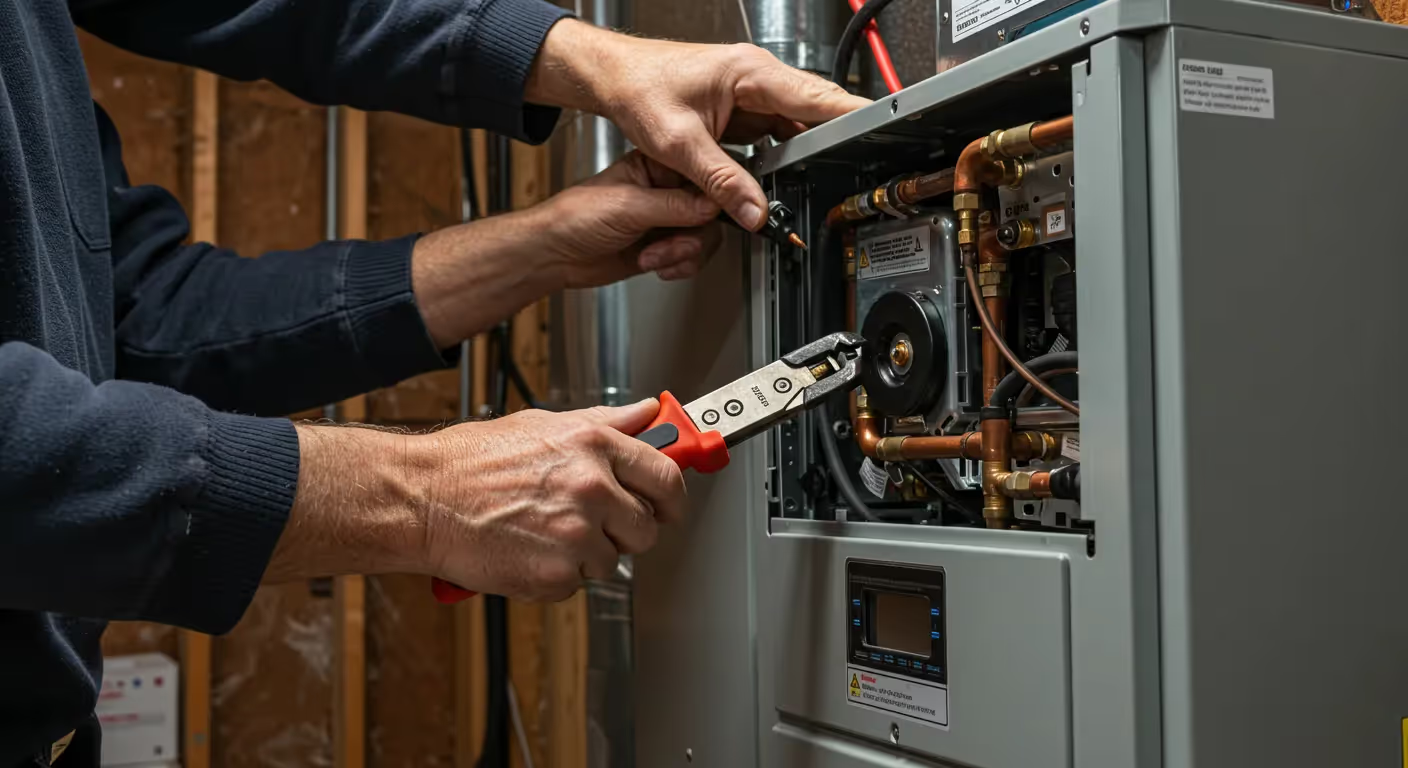
Investing in a new heating system is about more than just swapping out a metal box in your basement or utility closet. It is a comprehensive upgrade to your home’s energy infrastructure. When you schedule an installation, you are purchasing a tailored solution designed to match the specific thermal footprint of your property. The goal is to eliminate cold spots, reduce monthly utility expenditures, and provide consistent temperature control regardless of the weather outside.
Modern heating installation focuses on precision sizing and system compatibility. Many older homes in the area operate with units that were either oversized or undersized during their initial installation. An oversized unit cycles on and off too frequently, leading to wear and tear, while an undersized unit runs constantly without ever reaching the set temperature. A professional installation begins with a calculation of your home's heating load, factoring in square footage, insulation levels, window quality, and directional exposure.
The scope of a standard installation typically covers the following components:
- Removal and Disposal: Safe disconnection of gas or electrical lines, removal of the existing unit, and environmentally responsible disposal of the old equipment.
- Site Preparation: Modification of the plenum (the box connecting the furnace to the ductwork) to fit the new unit, leveling of the installation surface, and sealing of the immediate duct connections to prevent air leakage.
- System Configuration: Installation of the new furnace, boiler, or heat pump, including connection to the fuel source, exhaust venting, and drainage systems for high-efficiency condensing units.
- Electrical and Safety Upgrades: ensuring that circuit breakers and wiring meet current code requirements and installing new safety switches to prevent operation during hazardous conditions.
- Thermostat Integration: setup of new control interfaces, often including smart thermostats that allow for remote monitoring and scheduling to maximize efficiency.
You receive a turnkey solution. There is no need to hire separate electricians or disposal crews. The focus remains on delivering a fully functional, safety-tested heating system that is ready to run the moment the technicians depart.
The Installation and Replacement Process
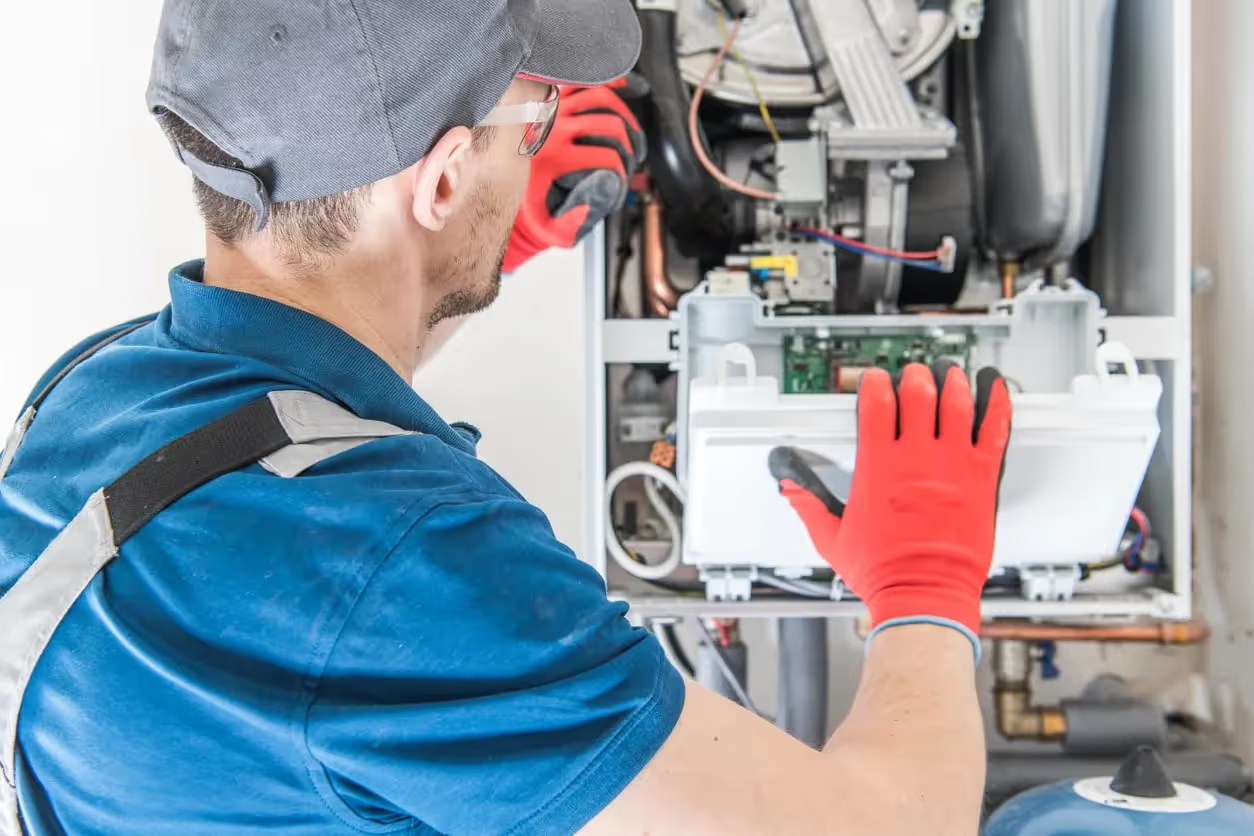
A structured approach to installation ensures that nothing is overlooked. Heating systems are complex appliances involving combustible fuels, high-voltage electricity, and carbon monoxide venting. Precision is required at every stage to ensure safety and longevity. The process is designed to be minimally invasive to your daily routine while adhering to strict technical standards — schedule service today.
The workflow generally follows this sequence:
- Site Evaluation and Sizing: Technicians verify the measurements taken during the initial estimate. This confirms that the selected unit will fit physically in the designated space and that the existing ductwork can handle the airflow requirements of the new system.
- Workspace Protection: Floor runners and drop cloths are placed to protect your flooring and furniture. The path from the service vehicle to the installation site is cleared and secured to prevent accidental damage during the transport of heavy equipment.
- Decommissioning the Old System: The fuel supply (gas or oil) and electrical power are shut off. The old unit is disconnected from the ductwork and venting. Refrigerant is recovered if a heat pump is being replaced. The old unit is then carefully removed from the premises.
- Equipment Positioning: The new unit is brought in and positioned. For furnaces, this involves aligning the return and supply air openings. For boilers, piping is laid out to connect to the radiator or baseboard loops. Leveling is critical here to ensure proper drainage of condensate and quiet operation.
- Connection of Utilities: Gas lines are reconnected using new fittings and tested for leaks. Electrical wiring is connected to the unit’s control board. If the system is a high-efficiency model, PVC venting is run to the exterior of the home to exhaust combustion gases safely.
- Ductwork and Airflow Adjustments: The plenum is adapted to the new furnace. Sealing mastic or foil tape is applied to all new joints to ensure that heated air travels into your living spaces rather than leaking into the basement or attic.
- System Startup and Commissioning: The system is powered on. Technicians measure static pressure, temperature rise (the difference between air entering and leaving the unit), and gas pressure. These metrics are adjusted to meet the manufacturer’s exact specifications.
- Final Walkthrough: The technician explains the operation of the new system, demonstrates how to change the filter, and programs the thermostat based on your preferences.
Deciding Between Repair and Replacement
Determining whether to sink more money into an aging heater or invest in a new one is a common dilemma. While repairs are often cheaper upfront, they can be financially draining over time if the system is nearing the end of its useful life. Making the correct decision relies on analyzing data regarding the unit's age, performance, and repair history.
Consider replacement if the equipment meets the following criteria:
- Age of the System: Furnaces typically last 15 to 20 years, while heat pumps may last 10 to 15 years. If your unit is approaching or has surpassed these benchmarks, parts will become scarce, and major component failures (like a cracked heat exchanger) become statistically probable.
- The 50% Rule: If the cost of a necessary repair is 50% or more of the cost of a new system, replacement is the smarter financial move. Investing half the cost of a new unit into an old one that might fail again in six months is rarely economical.
- Rising Energy Bills: As systems age, they lose efficiency. Parts wear down, and the unit must work harder to produce the same amount of heat. If your fuel usage has spiked without a corresponding change in weather or thermostat settings, the system is likely failing.
- Uneven Heating: If some rooms are freezing while others are roasting, the system may be losing compression or the blower motor may be failing. While ductwork issues can cause this, an aging unit is often the culprit.
- Safety Concerns: Older units are at a higher risk for developing cracks in the heat exchanger, which can leak carbon monoxide into the home. If a technician flags a safety violation or a crack, replacement is usually the only safe option.
- Frequency of Breakdowns: If you have required multiple service calls in the last two winters, the system has become unreliable. The cost of cumulative service fees and the inconvenience of no-heat days justify an upgrade.
Local Climate, Permits, and Utilities
Operating a heating system in this region requires specific considerations due to the local climate and regulatory environment. Medford experiences a humid subtropical climate that shifts into cold winters with the potential for significant snowfall and freezing temperatures. The heating system is not just a luxury; it is a life-safety requirement during the peak of winter.
Climate Considerations:
The region is subject to Nor'easters and sharp temperature drops. Your heating system needs to be robust enough to handle rapid shifts in temperature. Heat pumps are an excellent option for the shoulder seasons, but for the deep freezes of January and February, many homeowners prefer the reliability of a gas furnace or a dual-fuel system. A dual-fuel system uses a heat pump for mild days and switches to a gas furnace when temperatures drop below freezing, offering the most efficient operation for this specific weather pattern.
Permitting and Inspections:
Installation of heating equipment is a regulated activity. Local townships require permits to ensure that the work complies with safety codes. This includes verifying that gas lines are pressure-tested, electrical connections are grounded properly, and exhaust venting meets clearance requirements to prevent carbon monoxide re-entry:
- Permits are generally pulled by the contractor on your behalf.
- A final inspection by a township official is typically required after installation to close the permit.
- Failure to obtain permits can complicate the sale of the home later and may void manufacturer warranties.
Utility Landscape:
The choice of equipment often depends on available utilities. Natural gas is widely available and remains one of the most cost-effective heating fuels. However, for homes without gas access, high-efficiency electric heat pumps or oil-to-gas conversions are viable alternatives. Understanding the local utility rates helps in calculating the long-term return on investment (ROI) for higher SEER2 and AFUE-rated units. Gibson Heating & Cooling technicians can help calculate these potential savings based on current local energy rates.
Why Professional Installation Matters
The quality of the installation is just as important as the brand of the equipment. A top-tier furnace installed poorly will operate at a lower efficiency and fail sooner than a mid-range unit installed perfectly. The difference lies in the technical details—proper airflow, exact gas pressure calibration, and precise refrigerant charging.
Choosing a certified provider ensures that the manufacturer’s warranty remains valid. Manufacturers often deny claims if the equipment was not installed by a licensed professional. Furthermore, established local providers understand the specific challenges of the regional housing stock, from navigating tight crawl spaces in older homes to integrating modern HVAC zones in newer constructions.
You gain access to:
- Certified Expertise: Technicians who undergo regular training on the latest equipment and code changes.
- Proper Sizing: Avoidance of short-cycling caused by oversized units.
- Safety Assurance: Rigorous testing of all gas and electrical connections before the job is marked complete.
- Long-Term Support: Access to maintenance plans that keep the new system running at peak efficiency for its entire lifespan.
Secure your home against the cold. A new system provides peace of mind, lower energy bills, and a level of comfort that an aging unit simply cannot match.
Upgrade Your Home’s Heating with Confidence
A modern heating installation is an investment in safety, efficiency, and long-term peace of mind—especially before winter conditions intensify. Taking action now helps eliminate unreliable performance, reduces energy waste, and ensures your home stays consistently warm when it matters most. With Gibson Heating & Cooling, you receive expert system design, code-compliant installation, and dependable results tailored to Medford’s climate.
If you are ready to upgrade your home’s comfort and efficiency, do not wait for the next deep freeze. Contact us today to schedule your consultation and installation.
our process
Our heating Process Section
01
Thorough Diagnosis/Consultation
We start with a comprehensive assessment of your needs.
02
Upfront & Honest Pricing
We provide a clear, detailed estimate before any work begins.
03
Professional
Schedule
Our certified technicians perform the work to the highest standards.
04
Final Inspection & Clean-up
We ensure everything is working perfectly and leave your home clean.
testimonials
The Customer Experience:
Where Comfort Meets Reliability.
Trusted by Homeowners Across Burlington County.
