
Boiler Repair in Medford, NJ

Urgent Boiler Repairs to Keep Your Home Warm and Cozy
When your boiler breaks down in the middle of a cold Medford winter, you need a fast and reliable repair service to prevent freezing pipes and uncomfortable nights. We understand the urgency and are ready to restore your home’s warmth promptly; contact us to schedule immediate service or inquire about available financing options:
- Rapid response team available 24/7 to address your heating emergencies.
- Experienced technicians providing solutions that last, preventing future issues.
- Transparent pricing with no hidden costs — know what you're paying upfront.
Fully licensed and insured, ensuring a hassle-free service experience — read our reviews.
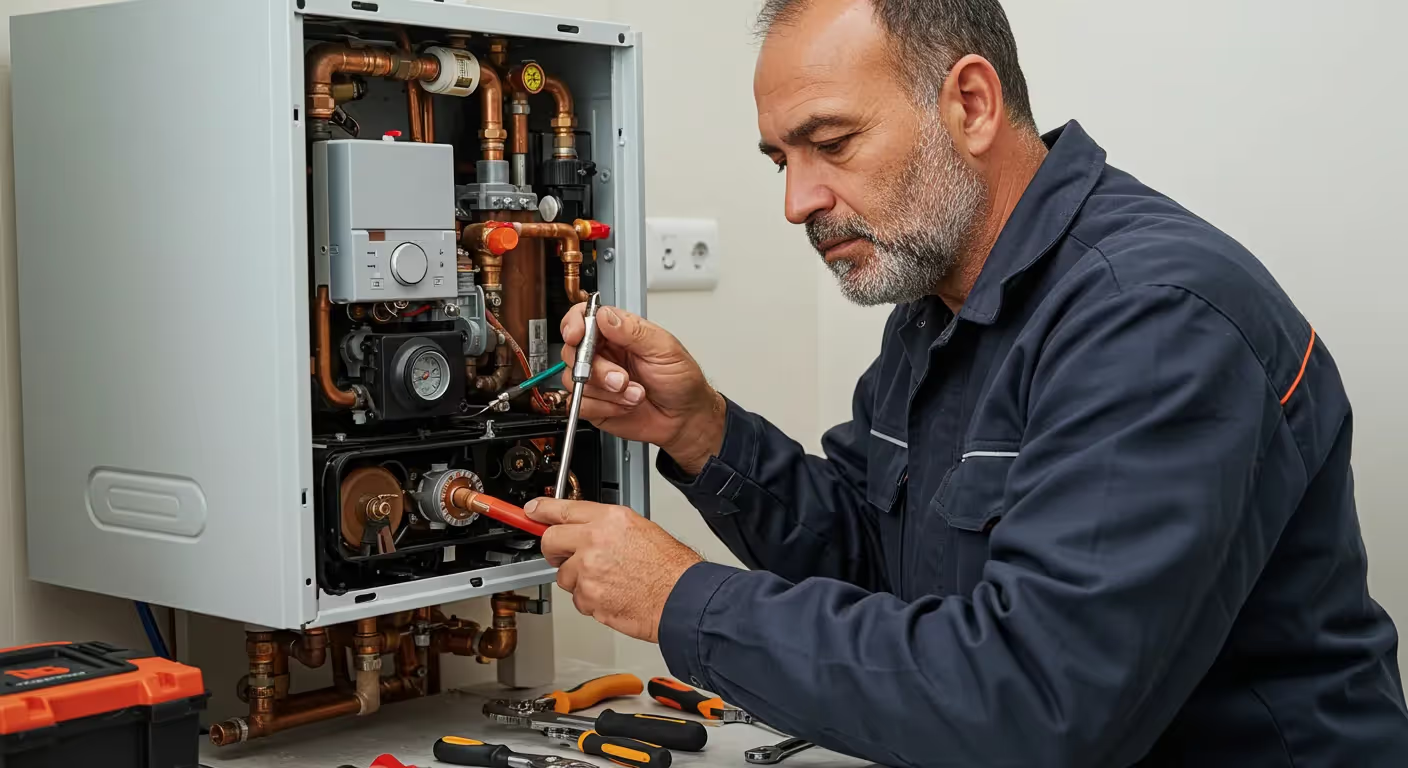
Immediate Diagnostics and Repair Scope
Boiler systems are complex pieces of machinery that rely on water or steam to distribute heat effectively throughout a property. When these systems fail, the issue is rarely surface-level. Gibson Heating & Cooling approaches every service call with a comprehensive diagnostic protocol designed to identify the root cause of the failure rather than simply addressing the symptom. A technician arrives at your home equipped with fully stocked service vehicles containing common parts such as thermocouples, zone valves, and circulator pumps. This preparation allows for the completion of most repairs during the initial visit, minimizing downtime for your household.
The diagnostic process begins with a thorough inspection of the boiler’s firing sequence. Technicians examine the thermostat connection, the pilot light or electronic ignition, and the gas valve operation. For hydronic systems, the pressure levels and water temperature are checked against manufacturer specifications. If the system is steam-based, the water gauge glass and pressuretrol are inspected for blockages or calibration errors. By isolating the exact component causing the disruption, the repair team ensures that time and resources are focused solely on the necessary fix.
Once the issue is identified, you receive a clear explanation of the mechanical failure and the steps required to resolve it. This includes a breakdown of the parts needed, the labor involved, and the estimated time for completion. Whether the issue lies in a seized pump preventing hot water circulation or a faulty aquastat sending incorrect signals to the burner, the goal remains the same: restoring safe and efficient heat to your home immediately.

Identifying Critical Boiler Components and Failures
Understanding what went wrong helps in making informed decisions about your heating system. Boilers consist of several distinct components that must work in unison. A failure in one area often triggers safety mechanisms that shut down the entire system to prevent damage or hazardous conditions:
- Circulator Pumps: These pumps move hot water from the boiler to the radiators or baseboard heaters. If a pump seizes or the motor burns out, the boiler may fire up, but heat will not reach the living spaces.
- Expansion Tanks: As water heats, it expands. The expansion tank absorbs this extra volume. If the internal bladder fails, pressure builds up in the system, causing the pressure relief valve to discharge water onto the floor.
- Thermocouples and Flame Sensors: These safety devices detect whether a pilot light or burner flame is present. If they are dirty or defective, they will cut the gas supply to prevent unburned gas from accumulating, resulting in a system lockout.
- Zone Valves: In homes with multiple heating zones, these valves open and close to direct hot water to specific areas. A stuck valve can leave one room freezing while the rest of the house remains warm.
- Ignition Modules: Modern boilers use electronic ignition rather than a standing pilot light. Failures in the control board or igniter can prevent the boiler from starting altogether.
Addressing these components requires specialized tools and handling. Attempting DIY repairs on gas-fired appliances or high-pressure vessels poses significant safety risks. Professional technicians carry the necessary testing equipment, such as manometers for gas pressure and multimeters for electrical circuits, to ensure every replacement part functions correctly within the system’s ecosystem.
The Boiler Repair Process
Restoring a boiler to optimal functionality involves a systematic approach that prioritizes safety and longevity. The repair process is structured to minimize disruption to your home while ensuring that the heating system complies with all safety standards:
- System Isolation: The technician shuts off the electrical power and fuel supply (gas or oil) to the unit. For hydronic repairs, the water supply is turned off, and the system may be partially or fully drained to access internal components.
- Component Removal and Inspection: Faulty parts are carefully removed. During this stage, the technician checks surrounding areas for secondary damage, such as corrosion on pipes caused by a long-term leak or soot buildup indicating poor combustion.
- Part Replacement: High-quality, OEM-spec parts are installed. Using the correct parts is critical for maintaining the boiler's efficiency rating and ensuring the warranty remains valid.
- System Refill and Bleeding: Once the mechanical repair is complete, the system is refilled with water. Air pockets, which can block heat transfer and cause noise, are bled from the radiators and baseboards.
- Safety Testing and Firing: The fuel and power are restored, and the boiler is cycled through a firing sequence. The technician tests for gas leaks, carbon monoxide emissions, and proper draft in the flue pipe.
- Performance Verification: The system is allowed to run until it reaches operating temperature. The technician verifies that all zones are heating evenly and that the boiler shuts off when the thermostat calls for it.
Recognizing the Signs of Imminent Failure
Boilers often signal distress before a total shutdown occurs. Recognizing these early warning signs allows homeowners in Medford to schedule repairs proactively, avoiding emergency service calls during peak winter storms:
- Kettling or Rumbling Noises: Loud banging or rumbling sounds, often called kettling, usually indicate a buildup of lime scale or sediment on the heat exchanger. This acts as an insulator, trapping heat and causing water to boil into steam pockets, which places immense stress on the metal.
- Fluctuating Water Pressure: A boiler requires stable pressure to function. If the pressure gauge constantly drops, there is likely a leak in the system. Conversely, pressure that spikes dangerously high points to an issue with the expansion tank or relief valve.
- Unpleasant Odors: A metallic or egg-like smell can indicate a gas leak, while a burning plastic smell might suggest an electrical short. Any strange odor around the boiler unit warrants immediate professional attention.
- Radiators That Remain Cold: If the boiler is running but specific radiators are cold, air may be trapped in the lines, or the zone valve governing that area may have failed. In steam systems, this often points to a clogged air vent.
- Increased Utility Bills: A sudden spike in energy costs without a change in usage patterns suggests the boiler is losing efficiency. This is often due to dirty burners, soot buildup, or failing controls that cause the system to short-cycle.
Repair vs. Replacement Decision Guide
Homeowners often face the difficult choice between repairing an existing unit or investing in a new system. While repairs are often the faster and more affordable immediate solution, there are specific scenarios where replacement becomes the more economically sound strategy:
- Age of the Unit: Cast iron boilers can last 20 to 30 years, while high-efficiency condensing boilers typically have a lifespan of 15 to 20 years. If the unit is approaching the end of this window, a major repair might only delay the inevitable.
- The 50% Rule: If the cost of the repair approaches 50% of the cost of a new system, replacement is generally recommended. Investing heavily in an old system rarely yields a return on investment — view our promotions.
- Frequency of Breakdowns: If the boiler has required multiple service calls in the last two years, the system is likely becoming unreliable. The cumulative cost of frequent minor repairs often exceeds the monthly financing cost of a modern, efficient unit.
- Efficiency Ratings: Older boilers often operate at 60-70% AFUE (Annual Fuel Utilization Efficiency). Modern systems operate at 90-95% AFUE. Upgrading can result in significant fuel savings that offset the installation cost over time.
- Part Availability: As boilers age, manufacturers discontinue production of specific parts. If sourcing a component requires long wait times or high premiums, upgrading to a currently supported model ensures serviceability.
Regional Considerations for Heating Systems
Operating a boiler in Medford, NJ, presents specific challenges due to the local climate and infrastructure. The region experiences distinct seasonality, with winters that bring freezing temperatures and heavy snowfall. This weather pattern demands a heating system that can ramp up performance quickly and sustain high output for days at a time without overheating or failing:
- Frozen Pipe Risks: When a boiler fails during a sub-freezing night, the water inside the heating pipes—and the home’s domestic plumbing—is at risk of freezing. Rapid repair services are not just about comfort; they are about property preservation.
- Hard Water Impacts: Areas with higher mineral content in the water supply can see accelerated scale buildup inside the boiler. This requires diligent monitoring of the heat exchanger and occasional chemical flushing to maintain efficiency.
- Ventilation Requirements: Older homes in the area may have masonry chimneys used for venting. Modern high-efficiency boilers often require direct venting through sidewalls using PVC. When repairing older units, technicians must ensure the existing chimney liner is intact and safe for continued use.
- Permitting and Codes: Significant repairs involving gas lines or pressure vessels may require adherence to local building codes. Professional service providers manage these compliance aspects, ensuring all work meets state and municipal safety standards.
Steam vs. Hot Water Boiler Nuances
While many modern homes utilize hot water (hydronic) boilers, the area still has a significant number of older properties utilizing steam heating. The repair requirements for these two systems differ significantly:
- Steam Systems: These rely heavily on water level maintenance. Repairs often involve the glass gauge, the low-water cutoff switch (a critical safety device), and air vents on radiators. Steam systems are sensitive to water chemistry and require precise pitch on pipes to allow condensate to return to the boiler. A common issue is a "hammering" noise, which usually indicates piping that has settled or steam traps that have failed.
- Hot Water Systems: These are closed-loop systems that rely on pressure. Repairs focus more on circulator pumps, expansion tanks, and bleeding air from the lines. They are generally quieter and more efficient but have more moving parts than steam boilers.
Understanding which system you have is vital for accurate diagnostics. Technicians are trained on both legacy steam systems and modern hydronic setups, ensuring that the specific hydraulic or thermodynamic needs of your infrastructure are met.
Professional Standards and Service Quality
Choosing a service provider involves evaluating technical competence and operational reliability. The focus remains on delivering a definitive solution to heating problems rather than temporary patches:
- Technical Certification: Technicians undergo rigorous training to stay current with advancing boiler technology, including modulating burners and smart control integration.
- Truck Stock: Service vehicles are mobile warehouses. By carrying a wide array of universal and brand-specific parts, the reliance on supply houses is reduced, accelerating the repair timeline.
- Diagnostic Accuracy: Using advanced tools to measure combustion efficiency and draft ensures that repairs address the core mechanical issues.
- Property Protection: Technicians utilize drop cloths and shoe covers to protect flooring and workspaces. The goal is to leave the utility room as clean as it was found.
Boiler issues demand immediate, decisive action to protect your home from the elements. Gibson Heating & Cooling provides the expertise and responsiveness required to navigate winter heating failures effectively. Do not let a breakdown compromise your comfort or safety.
Restore Safe, Reliable Boiler Heat—Without Delay
A boiler failure in the middle of a Medford winter is more than uncomfortable—it puts your home, plumbing, and family at risk. Fast, accurate repair is critical to prevent frozen pipes, rising energy costs, and prolonged downtime. With Gibson Heating & Cooling, you get immediate response, expert diagnostics, and durable boiler repairs designed for New Jersey’s demanding winter conditions.
Restore your home’s heat today—contact our team to schedule your expert boiler repair.
our process
Our heating Process Section
01
Thorough Diagnosis/Consultation
We start with a comprehensive assessment of your needs.
02
Upfront & Honest Pricing
We provide a clear, detailed estimate before any work begins.
03
Professional
Schedule
Our certified technicians perform the work to the highest standards.
04
Final Inspection & Clean-up
We ensure everything is working perfectly and leave your home clean.
testimonials
The Customer Experience:
Where Comfort Meets Reliability.
Trusted by Homeowners Across Burlington County.
