
Furnace Installation in Medford, NJ

Experiencing Unreliable Heating? Upgrade to Efficient Furnace Installation
Cold seasons in Medford, NJ, can surprise you with unexpectedly chilly nights, leaving your household vulnerable if your current heating system is aging or inconsistent. Ensure your home remains warm and welcoming throughout the winter with a reliable, energy-efficient furnace installation; contact us now for a consultation or to discuss flexible financing options.
Gibson Heating & Cooling provides seamless system replacements designed to optimize your home's comfort and energy consumption. We focus on technical precision and long-term reliability:
- Install today with certified technicians available for prompt service.
- Reduce your energy bills with high-efficiency furnace options.
- Gain peace of mind with comprehensive warranties and local expertise.
All installations comply with local codes, backed by robust warranties and financing options.
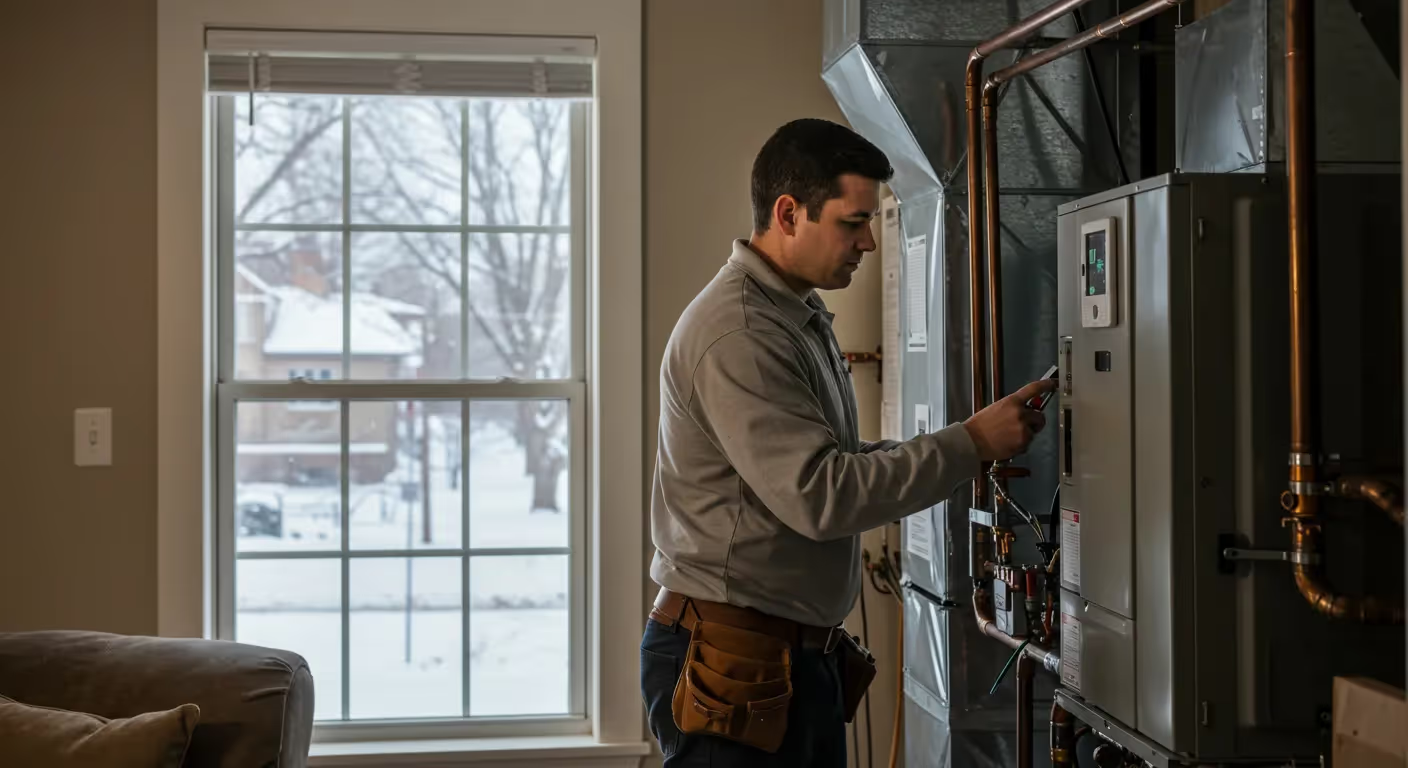
What is Included in professional Furnace Replacement
Investing in a new heating system is about more than just swapping out a metal box. It is a comprehensive upgrade to your home’s infrastructure. A professional installation ensures that the heat generated is distributed evenly, efficiently, and safely throughout your property in Medford.
When you schedule a replacement, the service encompasses a complete assessment of your current heating load. Modern furnaces are significantly more efficient than models manufactured even a decade ago. This means a unit with the same physical footprint as your old one might provide too much or too little power if not correctly sized. We perform load calculations to ensure the new unit matches the specific thermal requirements of your home.
The scope of work generally includes:
- Site Preparation and Protection: Technicians ensure flooring and surrounding areas are protected before removing the old unit.
- System Sizing and Selection: Recommendations are based on square footage, insulation levels, and window efficiency to maximize AFUE (Annual Fuel Utilization Efficiency) ratings.
- Safe Removal and Disposal: The existing unit is disconnected from gas and electric lines, removed, and disposed of according to environmental regulations.
- Connection to Existing Infrastructure: The new furnace is expertly connected to your existing plenum and ductwork, with modifications made if necessary to prevent air leaks.
- Venting and Safety Checks: Flue pipes and ventilation systems are inspected or upgraded to ensure carbon monoxide is safely exhausted from the home.
.avif)
The Furnace Installation Process: Step-by-Step
Understanding the installation timeline helps homeowners prepare for the transition. While every home presents unique structural nuances, the core process follows a strict protocol to ensure safety and performance:
- Initial Evaluation and Sizing: The process begins with a technical evaluation. Technicians measure the home’s heating load requirements. This step is critical because an oversized furnace will "short cycle" (turn on and off too frequently), leading to premature wear, while an undersized furnace will run continuously without ever reaching the set temperature.
- Ductwork and Ventilation Inspection: Before the new unit arrives, the existing air distribution system is checked. Leaky ducts can lose up to 30% of the heat generated. If the ductwork is compromised, the efficiency of a high-end furnace is wasted. Technicians also verify that the intake and exhaust piping meets current safety codes, particularly for high-efficiency condensing furnaces that require PVC venting.
- Decommissioning the Old Unit: Gas lines and electrical circuits are shut off for safety. The old furnace is disconnected from the plenum and the return air drop. Technicians carefully remove the unit to avoid damaging the surrounding utility room or basement area.
- Positioning and Connection: The new furnace is set in place. If the new unit has different dimensions, a transition fitting is fabricated to mate the furnace to the supply ductwork. The return air drop is connected, often incorporating a new filter rack or air purification system if requested.
- Utility Integration: Gas lines are reconnected using new hard pipe or flexible connectors, followed by a soap-test to ensure there are no leaks. Electrical wiring is updated to match the amperage requirements of the new equipment. The condensate drain line is routed to a floor drain or condensate pump, which is essential for high-efficiency models that produce water during operation.
- System Commissioning: Once physically installed, the system is fired up. Technicians adjust the gas pressure at the manifold to meet manufacturer specifications. They measure the temperature rise—the difference between the air entering and leaving the furnace—to ensure it falls within the rated range.
- Final Walkthrough: The thermostat is programmed, and the homeowner is briefed on operation, filter changes, and maintenance schedules.
Determining When to Repair vs. Replace
Deciding between another repair bill and a full system replacement is a common dilemma for homeowners. While a quick fix might seem cheaper in the short term, diminishing returns on aging equipment often make replacement the financially sounder choice.
Consider the "50% Rule." If the cost of the repair approaches 50% of the value of a new system, replacement is generally the smarter investment. Furthermore, if you are calling for repairs more than once a season, the cumulative cost of service calls and parts will quickly eclipse the monthly cost of financing a new unit.
Gibson Heating & Cooling recommends evaluating the following factors:
- Age of the Unit: The average lifespan of a gas furnace is 15 to 20 years. If your unit is approaching or has surpassed this range, components like the heat exchanger are at higher risk of failure. A cracked heat exchanger is a serious safety hazard that mandates immediate replacement.
- Rising Energy Bills: As internal parts wear and heat transfer capabilities diminish, older furnaces run longer to maintain the same temperature. If your winter utility bills have spiked despite normal usage, the system has likely lost its efficiency efficiency.
- Uneven Heating: If some rooms are freezing while others are stifling hot, the blower motor or the furnace’s capacity may no longer be adequate for the home’s needs.
- Noise Levels: excessive rattling, booming, or squealing indicates mechanical failure. Modern systems are designed with insulated cabinets and variable-speed motors that operate at a whisper compared to older models.
- AFUE Ratings: Older units often operate at 60% to 70% AFUE, meaning 30 to 40 cents of every dollar spent on gas is wasted. Modern standard efficiency units start at 80%, with high-efficiency models reaching up to 98%. The fuel savings alone can offset a significant portion of the installation cost over time.
Local Considerations for Medford Homeowners
Installing a furnace in this region requires specific attention to local climate patterns and building codes. Medford experiences a humid subtropical climate that shifts into cold, often damp winters. Temperatures frequently drop into the 20s and 30s, meaning your heating system is a life-safety device, not just a luxury:
- Permitting and Inspections: New Jersey mandates construction permits for furnace replacements to ensure adherence to safety standards. This process involves submitting technical specs to the local municipality. Post-installation, an inspection is required to verify that gas piping, electrical connections, and venting meet the Uniform Construction Code (UCC). Professional installers handle the administrative burden of pulling permits and scheduling inspections.
- Fuel Source Availability: While natural gas is the most common heating fuel in the area, some properties rely on propane or heating oil. The installation process varies slightly depending on the fuel source, particularly regarding storage tanks and line pressures. Converting from oil to gas is also a viable option for many local homeowners looking to lower operational costs, provided gas main access is available.
- Insulation and Humidity Control: Because local winters can be damp, managing indoor humidity is vital. A properly installed furnace works in tandem with the home's insulation. If your home has older windows or insulation gaps, a variable-speed furnace is often recommended. These units run for longer cycles at lower speeds, which provides better heat distribution and more effective humidity control than single-stage "blast" heating.
- Chimney vs. PVC Venting: Many older homes in the area utilize a masonry chimney for venting. High-efficiency furnaces (90%+ AFUE) extract so much heat that the exhaust gas is cool and acidic. These units cannot be vented into a standard chimney; they require dedicated PVC piping routed through a sidewall or roof. Installers must assess whether your existing chimney needs a liner or if a new venting strategy is required.
Choosing the Right System Efficiency
The Annual Fuel Utilization Efficiency (AFUE) rating is the primary metric for furnace performance. It measures how much fuel is converted into usable heat versus how much is lost through the exhaust:
- Standard Efficiency (80% AFUE): These units use a standard metal flue and are often a cost-effective replacement for homeowners who do not plan to stay in the property for decades or where venting upgrades are structurally difficult. They are reliable and simpler in design but consume more gas.
- High Efficiency (90% - 98% AFUE): These condensing furnaces utilize a secondary heat exchanger to extract heat from the exhaust gases, turning water vapor into liquid condensate. While the upfront investment is higher, the reduction in monthly utility bills makes them the preferred choice for long-term homeowners in New Jersey — check current promotions.
- Variable Speed and Modulating Gas Valves: Beyond AFUE, the "staging" of the furnace impacts comfort.
- Single-Stage: Runs at 100% capacity whenever it is on.
- Two-Stage: Has a "low" setting for mild days and a "high" setting for deep freezes.
- Modulating: Adjusts the flame in tiny increments to maintain the temperature within a fraction of a degree, offering the highest level of comfort and efficiency.
Professional Installation Ensures Warranty Coverage
Manufacturer warranties are the backbone of your system's long-term protection. However, these warranties contain strict clauses regarding installation. If equipment is not installed by a licensed professional, or if it is not registered correctly, the warranty may be voided.
Key warranty elements usually include:
- Parts Warranty: Covers the failure of internal components like control boards, blower motors, and igniters (typically 5-10 years).
- Heat Exchanger Warranty: Often covers the core component for 20 years or the lifetime of the unit.
- Labor Warranty: Provided by the installer, covering the cost of the technician’s time if a repair is needed shortly after installation.
Professional installers ensure that the unit is registered with the manufacturer immediately after the job is complete, locking in your coverage. They also validate that the installation meets the manufacturer's airflow and static pressure requirements, which is often a condition of the warranty claim.
Secure Your Comfort with Expert Installation
Winter weather is inevitable, but discomfort doesn't have to be. A proactive approach to furnace installation prevents emergency breakdowns during the coldest weeks of the year. By selecting a system that fits your home’s specific thermal profile and ensuring it is installed according to strict safety protocols, you invest in the longevity of your property and the health of your family.
Gibson Heating & Cooling delivers precise, code-compliant installations tailored to the specific needs of Medford residents. We handle every aspect of the project, from the initial load calculation to the final safety inspection, ensuring your transition to a new system is smooth and the results are immediate.
Do not wait for your aging system to fail completely. Upgrade to a high-efficiency furnace and experience consistent, reliable warmth.
Take control of your home heating today—schedule your consultation now.
our process
Our heating Process Section
01
Thorough Diagnosis/Consultation
We start with a comprehensive assessment of your needs.
02
Upfront & Honest Pricing
We provide a clear, detailed estimate before any work begins.
03
Professional
Schedule
Our certified technicians perform the work to the highest standards.
04
Final Inspection & Clean-up
We ensure everything is working perfectly and leave your home clean.
testimonials
The Customer Experience:
Where Comfort Meets Reliability.
Trusted by Homeowners Across Burlington County.
