
HVAC Service in Mount Laurel, NJ

Facing a Critical Heating or Cooling System Failure?
If your air conditioner or heater has suddenly stopped working, you are facing not just discomfort but potentially hazardous temperatures inside your home. You need a solution, fast, before the weather in Mount Laurel compromises your safety or property. Contact Gibson Heating & Cooling immediately to schedule a diagnostic visit or inquire about financing options to resolve this issue today.
- Rapid response with same-day repair services to restore your comfort.
- Certified technicians ensure a reliable fix with lasting results.
- Flexible financing options to manage unexpected repair costs easily.
All services are backed by a full warranty and performed by certified, insured professionals. When you call Gibson Heating & Cooling, you are engaging a team that understands the urgency of restoring climate control to your living space.
Comprehensive Diagnostics and Immediate Repair Protocols
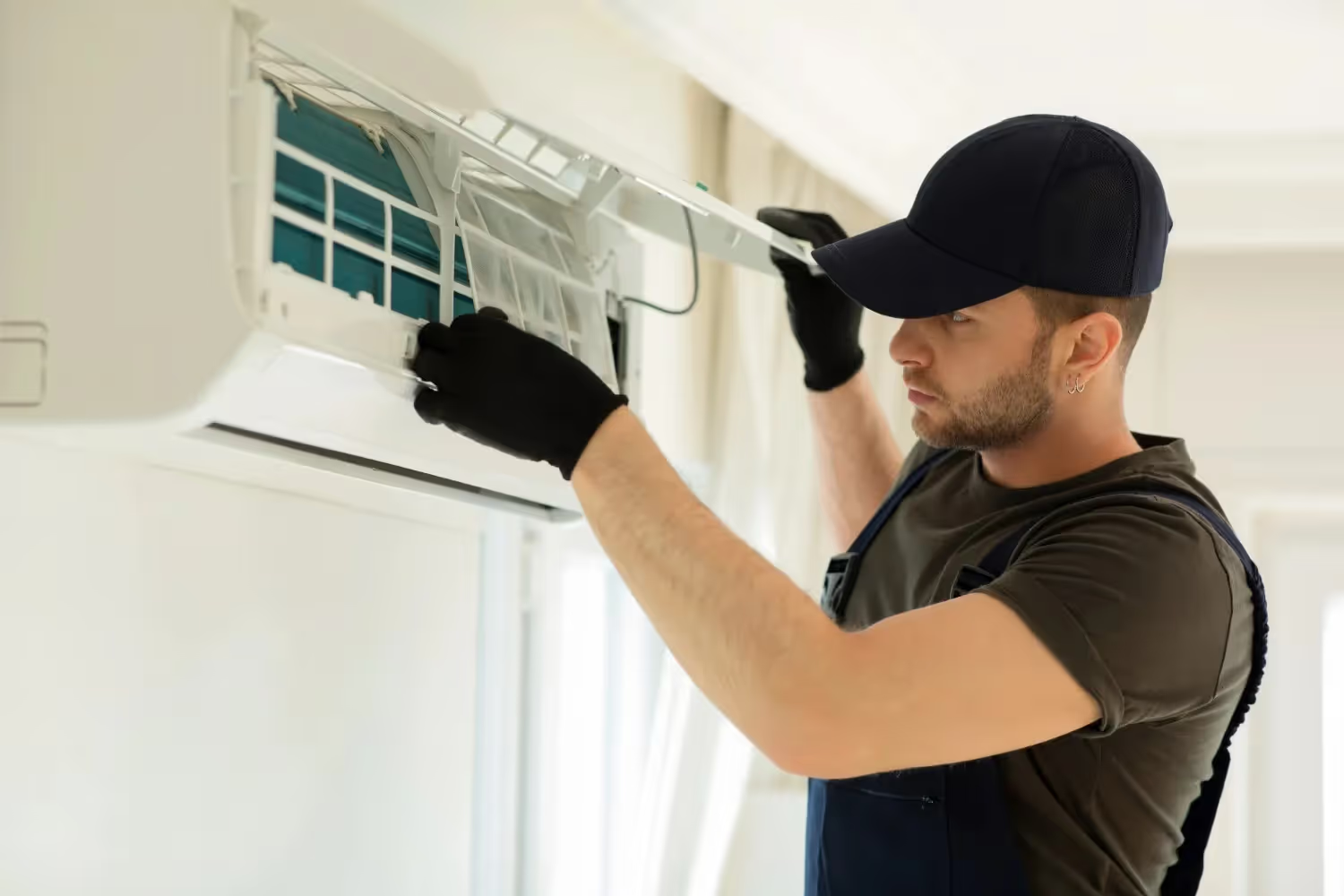
When an HVAC system fails, the root cause is rarely visible to the untrained eye. Effective service requires a systematic approach to identify whether the issue stems from electrical failure, mechanical wear, or airflow restrictions. A professional response begins with a thorough diagnostic assessment. This process involves testing individual components such as capacitors, compressor motors, contactors, and ignition systems to pinpoint the exact failure point.
Homeowners in this region frequently encounter specific failure modes due to local weather patterns. High humidity levels during the summer place immense strain on condensate drains and evaporator coils, leading to leaks or freezing. Conversely, the intense workload placed on furnaces during a deep freeze can crack heat exchangers or burn out limit switches. A proper service visit addresses these immediate symptoms while also inspecting the overall health of the system to prevent a secondary breakdown shortly after the technician leaves.
Upon arrival, the technician will evaluate the thermostat calibration, measure refrigerant levels against manufacturer specifications, and inspect ductwork for breaches that compromise efficiency. Once the issue is identified, you receive a clear, upfront explanation of the necessary repairs. The goal is to move from diagnosis to resolution in a single visit whenever possible, utilizing fully stocked service vehicles that carry common parts for major brands. This approach minimizes downtime and ensures your home returns to a livable temperature without unnecessary delays.
The System Replacement and Installation Process
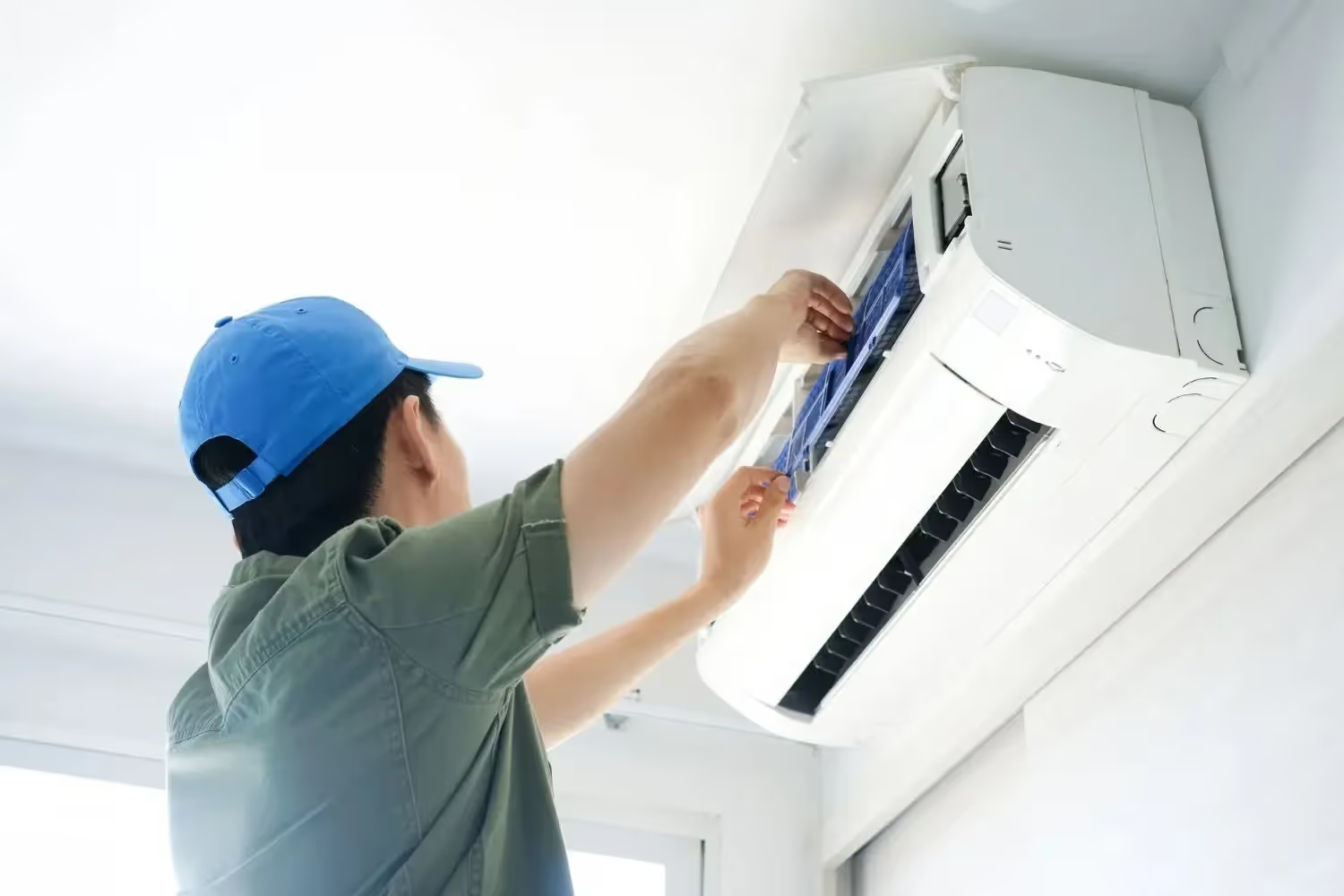
There are instances where a repair is either not possible or not financially prudent. When a system must be replaced, the installation process is critical to the longevity and efficiency of the new unit. An improper installation can reduce a system's efficiency by up to 30%, regardless of the equipment's SEER or AFUE rating. The process follows a strict technical protocol to ensure optimal performance.
- Load Calculation: Before any equipment is selected, a manual J-load calculation determines the exact heating and cooling requirements of your specific floor plan. This accounts for square footage, insulation levels, window placement, and sun exposure.
- System Selection: Based on the load calculation, the correct size and model are selected. This prevents "short cycling" (a unit that is too big) or constant running (a unit that is too small), both of which drive up utility bills.
- Site Preparation: The work area is prepped to protect flooring and surrounding property. Old equipment is disconnected from gas lines, electrical panels, and refrigerant lines safely, adhering to environmental disposal regulations.
- Installation: The new furnace, air handler, or condensing unit is positioned and leveled. Technicians braze refrigerant lines with nitrogen purging to prevent oxidation, connect high-voltage and low-voltage wiring, and seal plenum connections to prevent air leakage.
- Testing and Calibration: Once the physical installation is complete, the system is charged with the precise amount of refrigerant. Gas pressure is adjusted for the furnace, and airflow is measured at the registers.
- Final Walkthrough: The technician demonstrates how to operate the new thermostat, change filters, and explains maintenance requirements to keep the warranty valid.
Deciding Between Repair and System Replacement
Homeowners often struggle with the decision to repair an aging unit or invest in a new system. Making the right financial choice requires analyzing the age of the equipment, the cost of the current repair, and the system’s recent performance history.
- The 50% Rule: If the cost of the repair approaches 50% of the value of a new system, replacement is generally the smarter financial move. Investing heavy capital into a degrading asset often leads to diminishing returns.
- Equipment Age: Heat pumps and air conditioners typically last 10 to 15 years, while furnaces may last 15 to 20 years. If your equipment is nearing the end of this lifespan and requires a major component like a compressor or heat exchanger, replacement offers better long-term value.
- Frequency of Breakdowns: If you have required service calls more than twice in the last two years, the system is likely entering a phase of rapid decline. Continued repairs will likely become a monthly expense.
- Efficiency Considerations: Older units often operate at 8 to 10 SEER, whereas modern units start at 14 SEER and go much higher. Replacing a 15-year-old unit can often lower monthly energy bills by 20% to 40%, which helps offset the cost of installation over time.
- Comfort and Safety: Issues such as uneven heating, rising humidity levels indoors, or loud operation indicate the system can no longer maintain the environment effectively. Safety issues, particularly carbon monoxide risks from cracked heat exchangers in furnaces, mandate immediate replacement.
Critical Considerations for Local Homeowners
Operating an HVAC system in Mount Laurel requires specific attention to regional variables. The local climate is characterized by distinct seasonality, featuring humid, hot summers and freezing winters. This drastic temperature variance creates thermal expansion and contraction in HVAC components, accelerating wear and tear compared to milder climates.
- Permitting and Codes: New Jersey maintains strict building codes regarding HVAC installations to ensure safety and energy efficiency. Any significant alteration, such as replacing a furnace or running new gas lines, requires a permit. Professional service providers manage this administrative burden, ensuring all work passes municipal inspections.
- Electrical Concerns: Summer thunderstorms in the area frequently cause power surges. These surges can damage the sensitive electronics in modern HVAC systems, such as control boards and variable-speed motors. Local installations often recommend or include surge protection integration to safeguard the investment.
- Utility Rebates: The state of New Jersey and local utility providers often offer rebates for upgrading to high-efficiency equipment. Programs like NJ Clean Energy provide financial incentives for installing heat pumps, furnaces, and central air systems that meet specific ENERGY STAR criteria. Navigating these rebates requires accurate documentation and certified installation, which professional services provide as part of the package.
- Humidification Control: Given the regional humidity, standard air conditioning sometimes fails to remove enough moisture to prevent mold growth or clammy indoor conditions. Service solutions often involve checking the evaporator coil size match or recommending whole-home dehumidifiers to work in tandem with the central air system.
Gibson Heating & Cooling technicians are familiar with these local nuances, ensuring that equipment is not just installed correctly, but configured specifically for the demands of the local environment.
Why Professional Certification Matters for Your Home
Allowing a technician into your home to work on complex gas, electrical, and pressure systems requires trust backed by verification — see our reviews. The difference between a general handyman and a certified HVAC professional lies in the depth of training and adherence to safety standards.
- Technical Expertise: Certified technicians undergo rigorous training to understand the thermodynamics of heating and cooling. This ensures they fix the root cause of a problem, not just the symptom.
- Safety Protocols: Handling natural gas, high-voltage electricity, and high-pressure refrigerants carries inherent risks. Professionals follow strict protocols to prevent gas leaks, electrical fires, or refrigerant venting, protecting your family and the environment.
- Warranty Protection: Most equipment manufacturers explicitly state that warranties are void if the equipment is not serviced or installed by a licensed professional. DIY repairs or uncertified labor can leave you without coverage when a major part fails.
- Proper Tools and Diagnostics: Professional service trucks are equipped with advanced diagnostic tools, such as combustion analyzers and digital manifolds, which provide accurate readings that guesswork cannot replicate.
Maintaining a comfortable home environment is non-negotiable. Whether you are dealing with an emergency breakdown in the middle of a heatwave or planning a proactive replacement before winter sets in, professional intervention ensures efficiency, safety, and longevity.
Dependable HVAC Solutions When It Matters Most
Maintaining a safe, comfortable home environment is essential, especially during extreme seasonal conditions. Whether you are facing an emergency breakdown during a heatwave or planning a proactive system replacement before winter, professional service ensures efficiency, safety, and long-term reliability.
Gibson Heating & Cooling delivers expert diagnostics, precision repairs, and code-compliant installations tailored to Mount Laurel homes. Do not let HVAC issues escalate into costly or dangerous situations. Contact Gibson Heating & Cooling today through our contact page to schedule professional service, explore maintenance memberships, or take advantage of current promotions. Secure your home’s comfort and efficiency with a team you can trust.
Secure your home’s comfort and efficiency by scheduling a professional service visit today — contact us now.
our process
Our heating Process Section
01
Thorough Diagnosis/Consultation
We start with a comprehensive assessment of your needs.
02
Upfront & Honest Pricing
We provide a clear, detailed estimate before any work begins.
03
Professional
Schedule
Our certified technicians perform the work to the highest standards.
04
Final Inspection & Clean-up
We ensure everything is working perfectly and leave your home clean.
testimonials
The Customer Experience:
Where Comfort Meets Reliability.
Trusted by Homeowners Across Burlington County.
