
HVAC Contractor in Mount Laurel, NJ

Dealing With Inconsistent Temperatures and System Failures?
Facing unexpected HVAC breakdowns or inefficiencies can disrupt comfort and safety at your Mount Laurel home, especially during peak weather extremes. Contact Gibson Heating & Cooling immediately to schedule a diagnostic visit or to discuss financing options for a new system.
We prioritize restoring your indoor environment through technical precision and rapid response times.
- Same-day service appointments available to restore your comfort quickly.
- Comprehensive warranty coverage that secures your heating and cooling investments.
- Seasonal service discounts that make heating and cooling upgrades affordable.
Licensed and insured with flexible financing options available to meet all residential and commercial HVAC needs.
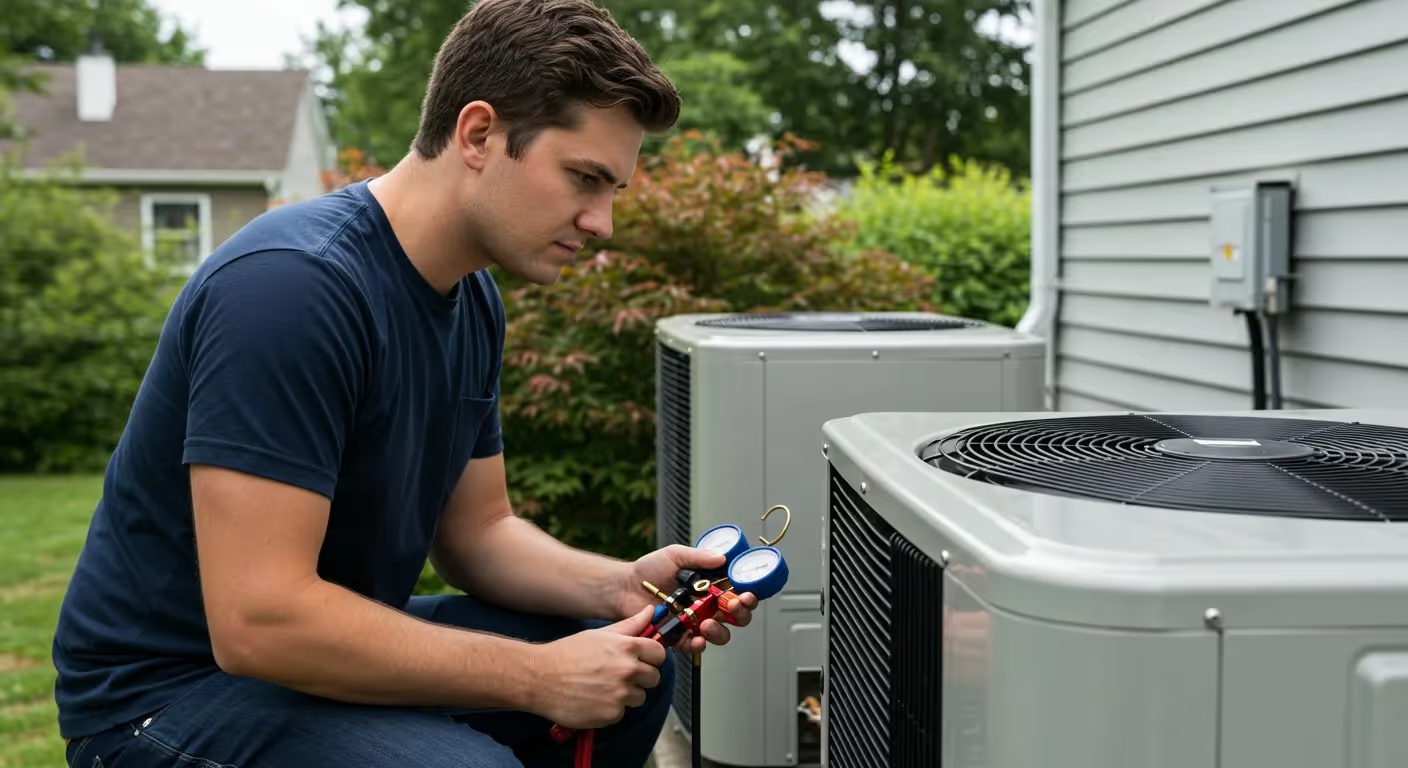
Comprehensive HVAC Contractor Services
Homeowners in Mount Laurel require a heating and cooling system capable of handling distinct seasonal shifts, from freezing winter nights to humid summer afternoons. A professional HVAC contractor does more than simple repairs; the focus is on total system management, energy efficiency, and long-term reliability. Our services cover the full lifecycle of residential and commercial climate control equipment.
Emergency Repair and Diagnostics
When a furnace stops running in January or an air conditioner fails in July, immediate action is required. We provide rapid diagnostic services to identify the root cause of the failure. Technicians arrive equipped to handle common issues on the spot, including:
- Refrigerant leaks that reduce cooling capacity and freeze coils.
- Ignition control failures or pilot light issues in gas furnaces.
- Worn-out contactors and capacitors that prevent outdoor units from starting.
- Clogged condensate drains that trigger safety switches and shut down systems.
Routine Maintenance and Tune-Ups
Preventative care is the primary method for extending the lifespan of heating and cooling units. Scheduled maintenance ensures that warranties remain valid and efficiency remains high — view our memberships.
- Cleaning condenser coils to ensure proper heat transfer.
- Inspecting heat exchangers for cracks that could lead to carbon monoxide leaks.
- Lubricating moving parts to reduce friction and motor strain.
- Calibrating thermostats for accurate temperature control.
Indoor Air Quality Solutions
Modern homes are built tightly for efficiency, which can trap pollutants inside. An HVAC contractor addresses air quality alongside temperature control. This includes the installation of whole-home humidifiers to combat dry winter air, dehumidifiers for summer moisture control, and high-efficiency filtration systems that capture allergens and dust.
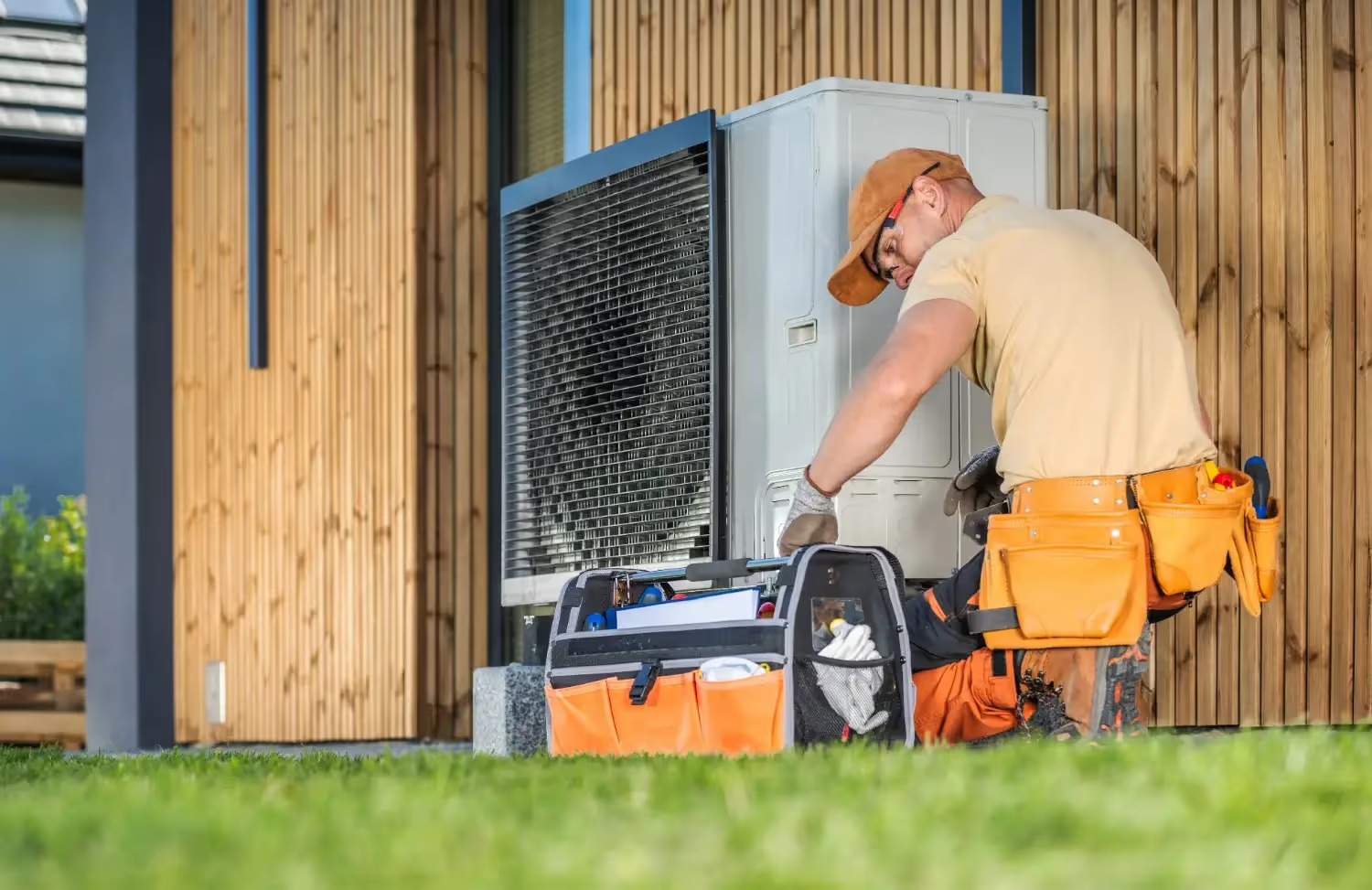
How Installation and Replacement Works
Replacing a heating or cooling system is a significant construction project that requires planning, sizing, and skilled labor. A "remove and replace" approach without proper calculation often leads to inefficiency and premature failure. We follow a strict protocol to ensure the new equipment integrates perfectly with your home's existing infrastructure.
System Sizing and Load Calculation
Before any equipment is selected, a technical assessment of the property is conducted. This process, often referred to as a Manual J load calculation, determines the exact heating and cooling requirements of the structure.
- Technicians measure the square footage and ceiling height of each room.
- Insulation levels in the attic, walls, and crawl spaces are evaluated.
- Window types, orientation, and sun exposure are factored into the heat gain calculation.
- This data ensures the new unit is neither undersized (running constantly) nor oversized (short-cycling and failing to dehumidify).
Equipment Selection
Once the load requirements are established, the next step is selecting the appropriate machinery. Factors influencing this decision include fuel source availability (natural gas, electric, oil), desired efficiency ratings (SEER2 for cooling, AFUE for heating), and budget. Options typically range from standard single-stage motors to variable-speed systems that offer precise temperature modulation and lower noise levels.
The Installation Process
The physical installation involves several critical steps to ensure safety and code compliance.
- First, the workspace is prepared, and flooring is protected. The old unit is disconnected from gas, electric, and refrigerant lines and removed from the property for proper disposal.
- Next, modifications to the ductwork or plenum are made if necessary to accommodate the physical dimensions of the new unit. This ensures optimal airflow and static pressure.
- Then, the new equipment is positioned. For air conditioners and heat pumps, the outdoor pad is leveled. For furnaces, venting is inspected to ensure dangerous combustion gases are routed safely outside.
- Technicians then braze refrigerant lines, connect high-voltage and low-voltage electrical wiring, and install the condensate removal system.
- Finally, the system is charged with refrigerant according to manufacturer specifications and tested for airflow, temperature split, and safety controls.
When Replacement Beats Repair
Deciding between fixing an existing unit and investing in a new system is a common dilemma for homeowners. While repairs are often the lower upfront cost, they can become financially draining if the system is nearing the end of its service life. Gibson Heating & Cooling helps homeowners evaluate the condition of their equipment using objective data and industry standards.
The 50% Rule
A general guideline used in the industry is the 50% rule. If the cost of the necessary repair approaches 50% of the value of a new system, replacement is generally the wiser financial choice. This is particularly true if the equipment is out of warranty, as future repairs will also be full-price.
Age of the Equipment
HVAC systems have a finite lifespan.
- Air conditioners and heat pumps typically last 10 to 15 years.
- Gas furnaces can last 15 to 20 years with proper maintenance.
- Boilers may last slightly longer, up to 20 to 30 years.
If a unit exceeds these age ranges and suffers a major component failure—such as a compressor or heat exchanger—replacement is recommended to avoid throwing money at a dying system.
Rising Energy Bills
Older systems lose efficiency over time due to wear and tear. Furthermore, technology has advanced significantly in the last decade. A 15-year-old air conditioner may have a SEER rating of 10, whereas modern units start at SEER2 13.4 and go much higher. Upgrading can result in immediate reductions in monthly utility costs, which helps offset the installation price.
Phase-Out of R-22 Refrigerant
Older cooling systems utilize R-22 (Freon), a refrigerant that has been phased out due to environmental regulations. Supplies of R-22 are dwindling and extremely expensive. If an older unit has a refrigerant leak, repairing it involves a high material cost for a substance that is becoming obsolete. Replacing the unit with one that uses R-410A or newer refrigerants is the standard solution.
Local Regulations, Utilities, and Climate Factors
Operating as a contractor in Mount Laurel requires specific knowledge of local codes, utility providers, and environmental challenges. Compliance and regional expertise ensure that installations are safe and effective.
Permitting and Inspections
HVAC installations and significant alterations in New Jersey require permits to ensure work meets safety standards.
- Permit applications must be filed with the local construction office before work begins. This covers mechanical, electrical, and plumbing / gas piping work.
- Upon completion, a municipal inspector will visit the home to verify that the installation complies with the International Residential Code (IRC) and local ordinances.
- This process protects the homeowner by ensuring that venting, gas lines, and electrical connections do not pose fire or health hazards.
Utility Rebates and Incentives
Regional utility companies often offer rebates for upgrading to high-efficiency equipment. Programs managed by providers such as PSE&G or New Jersey Natural Gas provide financial incentives for installing ENERGY STAR® certified furnaces, air conditioners, and heat pumps. Additionally, federal tax credits may apply to specific high-efficiency upgrades. A knowledgeable contractor assists in identifying eligible equipment to maximize these savings.
Managing Local Seasonality
The climate in this region dictates specific HVAC strategies.
- Humidity Control: Summers are not just hot; they are humid. An oversized AC unit will cool the house too quickly and shut off before it removes moisture, leading to a clammy indoor feel and potential mold growth. Proper sizing is critical for dehumidification.
- Freeze Protection: Winters can see temperatures drop well below freezing. Heating systems must be reliable enough to prevent pipes from freezing and bursting. For heat pump users, this means having a properly functioning auxiliary heat source (electric strips or a dual-fuel gas furnace) to handle the load when outdoor temperatures plunge.
- Leaf and Debris Management: The local foliage in autumn can clog outdoor condenser units. Contractors recommend covering or cleaning units post-leaf fall to prevent airflow restriction during the next cooling season.
Proof of Professionalism and Service Standards
Selecting a contractor involves verifying credentials and ensuring the company adheres to industry best practices. High-quality workmanship prevents safety hazards and ensures the longevity of the installation.
Licensing and Insurance
The State of New Jersey requires HVAC contractors to hold a Master HVACR license. This licensure confirms that the contractor has completed necessary training, passed technical exams, and carries the required liability insurance and bonding. Homeowners should always request to see this license number. Hiring an unlicensed contractor risks poor workmanship and may void manufacturer warranties.
Technician Certification
Beyond state licensing, individual technician certification through organizations like NATE (North American Technician Excellence) indicates a higher level of competency. NATE-certified technicians have demonstrated knowledge in specific service areas, such as air distribution, heat pumps, or gas furnaces. This certification is voluntary and represents a commitment to ongoing education and technical excellence.
Detailed Proposals and Transparency
A professional service provider offers clear, written estimates before work begins.
- Proposals should detail the scope of work, including specific model numbers of equipment to be installed.
- Warranty terms for both labor and parts should be clearly outlined.
- There should be no hidden fees for removal of old equipment or permit filing.
Choosing the right partner for your home’s mechanical systems ensures year-round comfort and safety. Whether you are facing an urgent repair in the middle of winter or planning a high-efficiency upgrade for the summer, Gibson Heating & Cooling delivers the technical expertise and local knowledge required for the job.
Trusted Local HVAC Solutions in Mount Laurel
Choosing the right partner for your home’s heating and cooling needs ensures year-round comfort, efficiency, and safety. From emergency repairs to high-efficiency system upgrades, Gibson Heating & Cooling delivers proven expertise, dependable service, and local knowledge you can trust. Take the next step toward reliable comfort—schedule your consultation or service appointment today through https://www.gibsonheatingandcooling.com/contact-us.
Secure your home comfort today—schedule your consultation or service appointment now.
our process
Our heating Process Section
01
Thorough Diagnosis/Consultation
We start with a comprehensive assessment of your needs.
02
Upfront & Honest Pricing
We provide a clear, detailed estimate before any work begins.
03
Professional
Schedule
Our certified technicians perform the work to the highest standards.
04
Final Inspection & Clean-up
We ensure everything is working perfectly and leave your home clean.
testimonials
The Customer Experience:
Where Comfort Meets Reliability.
Trusted by Homeowners Across Burlington County.
