
Heat Pump Installation in Mount Laurel, NJ

Immediate Relief for Heating & Cooling Challenges
When your heat pump fails or underperforms, it can turn your home life upside-down—especially during the extremes of the local four-season climate. Homeowners in Mount Laurel, NJ, know that a breakdown during a humid July afternoon or a freezing January night requires more than just a quick fix; it requires a permanent solution. Contact us today to schedule an assessment or inquire about available financing options. Gibson Heating & Cooling offers rapid, reliable installations and repairs to restore your comfort without delay.
- Expert installation ensuring optimized performance and energy efficiency.
- Same-day service options to quickly address heating and cooling emergencies.
- Comprehensive service plans, including maintenance and annual checks.
All installations are ensured by complete warranty coverage, including necessary permits and attractive financing options.
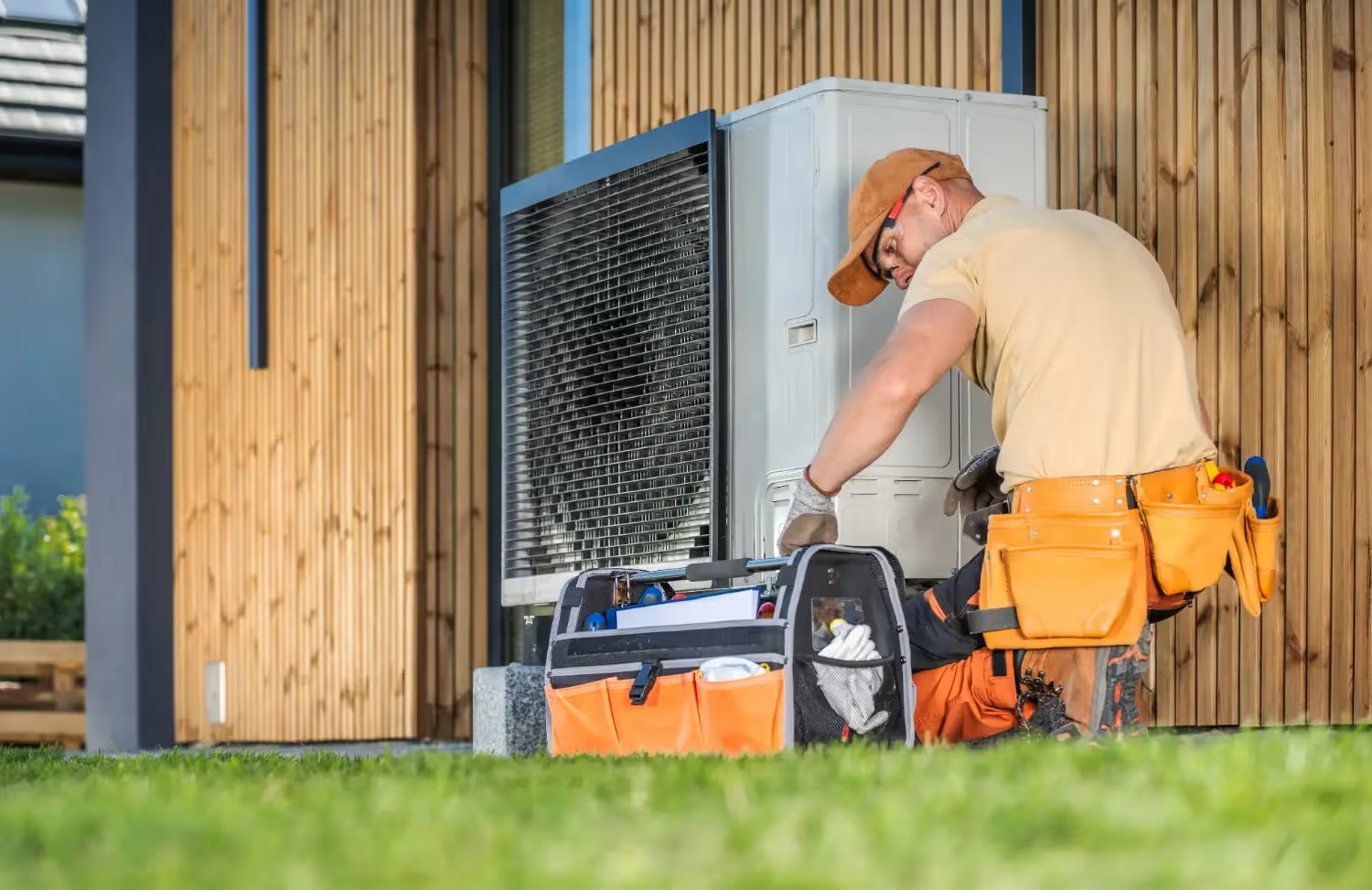
Heat Pump Installation Services: What to Expect
Investing in a new heat pump is one of the most effective ways to manage the climate within your home, offering a versatile solution that handles both heating and air conditioning. Unlike traditional furnaces that burn fuel to generate heat, a heat pump moves heat. During the summer, it functions exactly like a high-efficiency central air conditioner, removing humidity and heat from your living space. In the winter, the cycle reverses, extracting ambient heat from the outdoor air—even in cold temperatures—and transferring it inside.
Modern heat pump technology has advanced significantly, making these systems a viable and efficient primary heat source for New Jersey homes. We focus on installing high-performance units that utilize inverter-driven compressors. These variable-speed systems adjust their output in minute increments rather than simply blasting on and off. This results in consistent indoor temperatures, lower noise levels, and significantly reduced energy consumption.
When you select a new system, accurate sizing is the critical first step. An oversized unit will short-cycle, leading to humidity issues and premature wear, while an undersized unit will run continuously without ever reaching the set temperature. We perform a detailed load calculation (Manual J) for every home. This assessment considers square footage, insulation levels, window efficiency, and local orientation to ensure the unit specified is exactly what the structure requires — schedule service today.
Expect a seamless transition that addresses not just the equipment, but the entire distribution system. New installations often include an inspection of existing ductwork to ensure it can handle the airflow requirements of a modern high-efficiency system. If leaks or restrictions are found, these are addressed during the installation to guarantee that the energy you pay for actually reaches your living rooms and bedrooms.
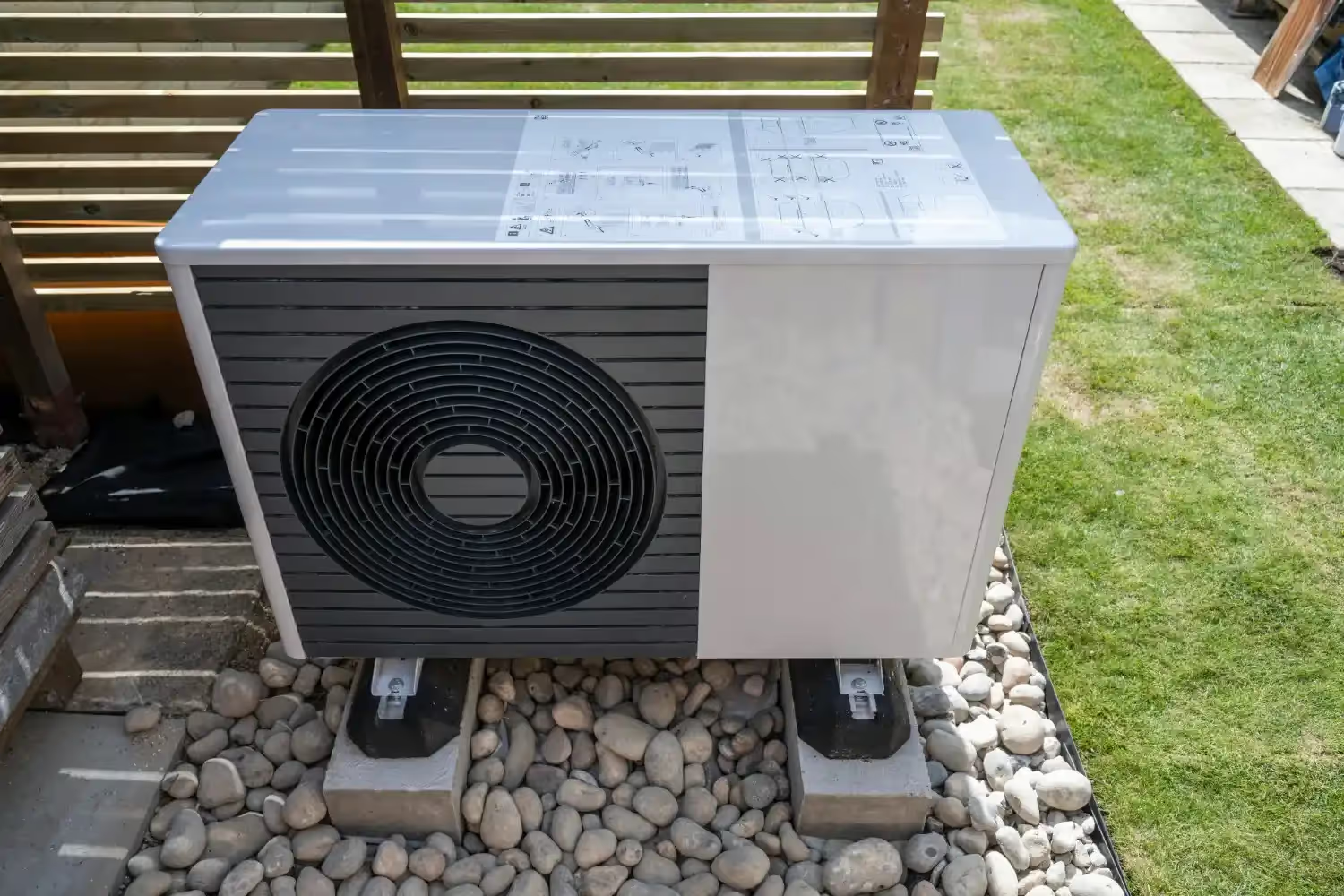
Your Installation Journey: Step-by-Step
A professional installation is a rigorous process that involves electrical work, refrigerant management, and precise calibration. We adhere to strict protocols to ensure the longevity of your investment.
- Site Evaluation and Preparation: The process begins with a final walkthrough to verify the placement of the outdoor condenser and the indoor air handling unit. Technicians lay down drop cloths and protective coverings to safeguard your flooring and property. Safety disconnects and electrical panels are inspected to verify they meet current code requirements for the amperage of the new unit.
- Safe Removal of Existing Equipment: If replacing an old unit, the refrigerant must be recovered according to EPA regulations. Venting refrigerant into the atmosphere is illegal and harmful. We attach recovery machines to capture the old fluids safely. Once the lines are clear, the old condenser and air handler are disconnected from the electrical and duct systems and removed from the property for proper disposal/recycling.
- Positioning the New System: The outdoor unit must sit level and be elevated above the anticipated snow line. In our region, this often involves installing a new pad or snow legs (risers) to prevent snow accumulation from blocking airflow around the unit’s base. The indoor unit is positioned to align perfectly with the supply and return plenums to minimize air turbulence.
- Refrigerant Line Installation: New copper line sets are installed or existing ones are flushed and cleaned depending on their condition and compatibility with modern refrigerants like R-454B or R-410A. During the brazing process (connecting the copper pipes), we flow nitrogen through the lines. This critical step prevents oxidation and soot from forming inside the pipes, which could otherwise clog the sensitive valves of the new compressor.
- Electrical and Control Wiring: High-voltage wiring is connected to the disconnect box and the unit, ensuring a weatherproof seal. Low-voltage control wires are run to the thermostat. In many modern installations, we upgrade the thermostat to a smart control interface that communicates directly with the heat pump to optimize humidity control and staging.
- Evacuation and Charging: Before the refrigerant is released, the system must be evacuated. A vacuum pump removes air and moisture from the lines, measured in microns. We ensure the vacuum holds below 500 microns to guarantee a contaminant-free system. Once confirmed, the factory-specified refrigerant charge is weighed in, with adjustments made for the length of the line set.
- Final Commissioning and Testing: The system is powered on and run through a full test cycle in both heating and cooling modes. Technicians measure static pressure in the ducts, temperature drop across the coil, and amperage draw of the compressor. This data confirms the system is operating within the manufacturer’s precise benchmarks before the job is marked complete.
Deciding Between Repair and Replacement
Homeowners often struggle with the decision of whether to pour more money into an aging system or invest in a new one. While repairs can extend the life of a unit, there is a tipping point where replacement becomes the more financially sound strategy.
Age of the Equipment
The average lifespan of a heat pump is typically between 12 and 15 years. If your unit is approaching or has surpassed this age, major component failures become statistically likely. Even if the unit is running, its efficiency has likely degraded significantly compared to when it was new. A 15-year-old heat pump may have a SEER rating of 10 or 12, whereas modern units can achieve ratings of 20 or higher, potentially cutting energy usage by nearly half.
Frequency and Cost of Repairs
The "50% Rule" is a standard industry metric. If the cost of a necessary repair approaches 50% of the value of a new system, replacement is the smarter choice. Additionally, if you have required repairs more than twice in the last two years, the system is demonstrating unreliability. Continuing to patch a dying system often results in spending the cost of a new unit on repairs over a few years, with nothing to show for it but an old machine.
Comfort and Performance Issues
As compressors and coils wear out, they lose their ability to transfer heat effectively. If you notice rooms that are consistently too hot or too cold, or if the unit struggles to maintain the thermostat setting during extreme weather, the system’s capacity is compromised. Furthermore, older units often struggle with humidity control, leading to a clammy feeling indoors during the summer.
Refrigerant Type
Older systems utilize R-22 refrigerant (Freon), which has been phased out due to environmental regulations. Supplies of R-22 are dwindling and extremely expensive. If an older unit develops a refrigerant leak, the cost to recharge it is often prohibitive, making replacement the only logical option.
Understanding Mount Laurel's HVAC Requirements
Installing a heat pump in this region requires specific attention to local geography, climate data, and building codes. A generic installation that might work in a milder climate will fail here.
Seasonal Considerations and Snow Load
We experience significant snowfall, with annual averages ranging between 20 and 25 inches. Heat pumps require unrestricted airflow to function. If an outdoor unit is buried in a snowdrift, it cannot extract heat from the air, causing the emergency heat strip to engage constantly, which causes electric bills to skyrocket. Local installations must account for this by elevating the unit on sturdy risers. Additionally, the system’s defrost cycle must be calibrated correctly to handle the freezing rain and high humidity typical of our winters.
Permitting and Code Compliance
New Jersey and local townships enforce strict building codes regarding HVAC alterations. Replacing a heat pump requires a construction permit to ensure the work meets safety standards for electrical connections and mechanical venting. Inspections are conducted by local officials to verify that the wire gauge is correct for the breaker size and that the disconnect switches are accessible. Failure to pull permits can result in fines and complications when selling the home. We handle the permit application process, ensuring all paperwork is filed with the township before work begins.
Utility Rebates and Incentives
The push for electrification has led to significant financial incentives for installing high-efficiency heat pumps. Programs like the NJ Clean Energy Program and federal tax credits under the Inflation Reduction Act offer substantial rebates for equipment that meets specific efficiency ratings (SEER2 and HSPF2). Navigating these requirements can be complex. We ensure that the models proposed for your home meet the eligibility criteria for these programs, helping you maximize your return on investment.
Why Choose Gibson Heating & Cooling: Our Commitments
Selecting a contractor is just as important as selecting the brand of equipment. The longevity of a heat pump is determined 80% by the quality of the installation and only 20% by the manufacturing. We approach every project with a focus on technical precision and long-term reliability.
- Technical Expertise: Our technicians undergo continuous training to stay current with the latest inverter technology and refrigerant handling procedures. We do not use subcontractors; every person entering your home is a vetted member of our team.
- Transparent Communication: We believe in educating our clients. You will receive a clear explanation of what is being installed, how to operate your new thermostat, and how to perform basic maintenance like filter changes.
- Verification: We don't guess; we test. Every system is commissioned using digital gauges and airflow meters to prove it is running at peak performance before we leave the driveway.
When you need a system that performs flawlessly through humid summers and snowy winters, you need a partner who understands the local environment. Gibson Heating & Cooling delivers the expertise and professional service required to keep your home comfortable year-round.
Reliable Comfort Starts with Gibson Heating & Cooling
A professionally installed heat pump is more than an upgrade—it’s a long-term investment in comfort, efficiency, and peace of mind. From accurate system sizing and meticulous installation to ongoing maintenance and rebate guidance, Gibson Heating & Cooling ensures every detail is handled with care and precision. If you’re ready to improve your home’s comfort and energy efficiency, schedule your heat pump consultation today with Gibson Heating & Cooling by visiting https://www.gibsonheatingandcooling.com/contact-us.
Take control of your home’s comfort and efficiency today. Schedule your heat pump consultation now.
our process
Our heating Process Section
01
Thorough Diagnosis/Consultation
We start with a comprehensive assessment of your needs.
02
Upfront & Honest Pricing
We provide a clear, detailed estimate before any work begins.
03
Professional
Schedule
Our certified technicians perform the work to the highest standards.
04
Final Inspection & Clean-up
We ensure everything is working perfectly and leave your home clean.
testimonials
The Customer Experience:
Where Comfort Meets Reliability.
Trusted by Homeowners Across Burlington County.
