
Boiler Installation in Mount Laurel, NJ

Is Your Boiler Failing to Keep Up with Freezing Temperatures?
Waking up to a freezing house or discovering a leak in your basement is a homeowner’s worst nightmare, particularly when the unpredictable Mount Laurel weather shifts from humid falls to harsh, icy winters. If your boiler is cycling incorrectly, making strange noises, or simply failing to generate heat, you need immediate professional intervention before the pipes freeze. Contact us now to schedule an urgent assessment and secure your home’s comfort.
Gibson Heating & Cooling provides decisive, rapid boiler installation services designed to restore warmth to your property without unnecessary delays. We understand that a failing heating system is not just an inconvenience; it is a safety hazard for your family and your plumbing infrastructure. Our team handles everything from the removal of the old unit to the precise calibration of your new, high-efficiency system.
- Rapid Deployment: Quick installation times are prioritized, with emergency services available for critical failures.
- Efficiency Upgrades: Installation of high-efficiency boilers that reduce monthly energy consumption and qualify for local incentives.
- Financial Flexibility: Competitive pricing models paired with accessible financing options to make replacement manageable.
All installations are fully licensed, come with a comprehensive manufacturer's warranty, and financing options are readily available to ensure you get the heat you need immediately.
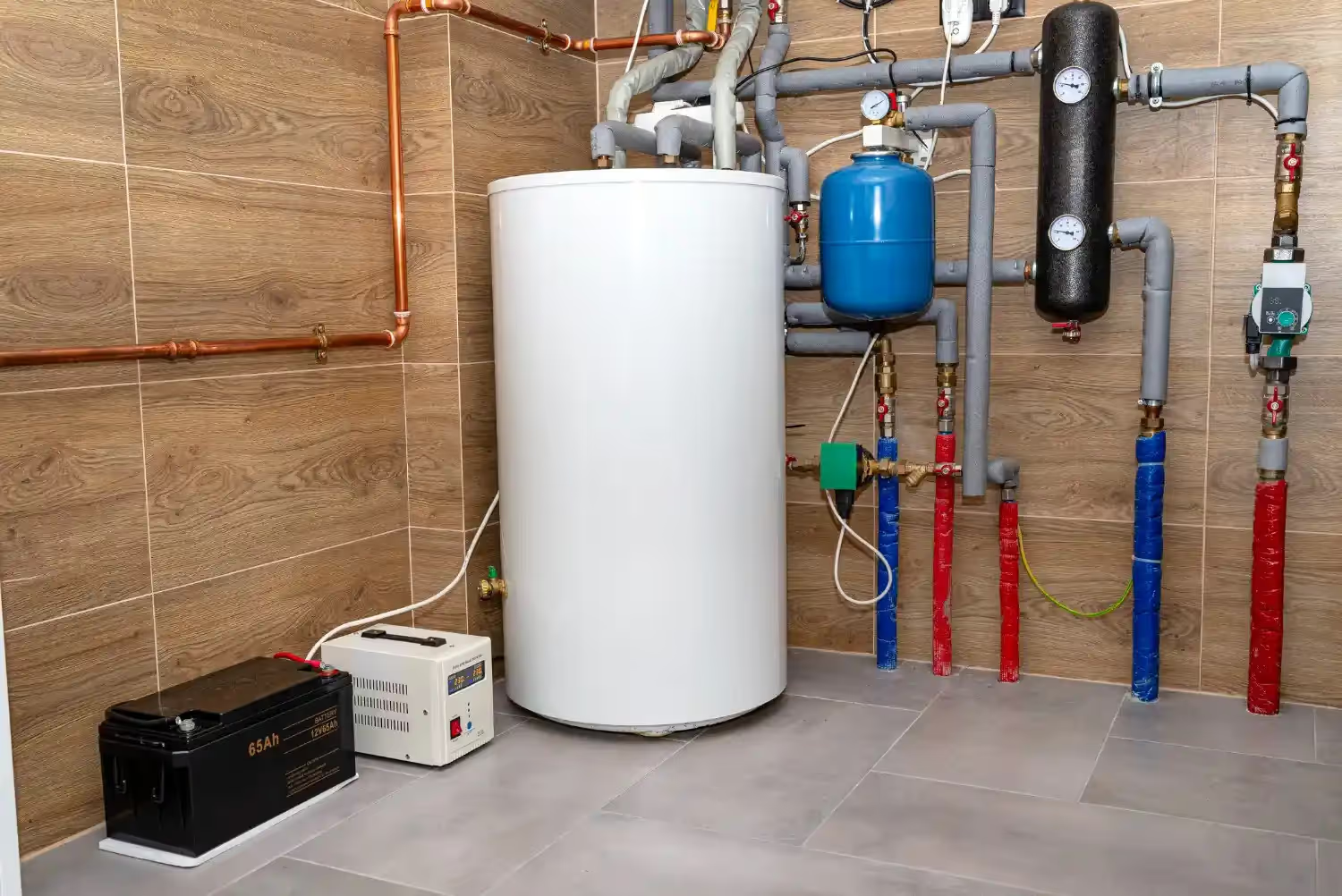
What You Get With a Modern Boiler Installation
Replacing a boiler is a significant investment in your property’s infrastructure. When you choose a professional installation, you are purchasing more than just a piece of equipment; you are securing a comprehensive heating solution tailored to the specific thermal envelope of your home. A modern installation creates a closed-loop system that operates silently and efficiently, eliminating the drafty fluctuations common with older units or forced-air systems.
The scope of a professional installation covers every aspect required to bring your heating system up to current code and performance standards. This includes the load calculation to ensure the unit is neither undersized nor oversized. An undersized boiler will run continuously without ever reaching the set temperature, while an oversized boiler will "short cycle," turning on and off rapidly, which wears out components and wastes fuel.
Included in the Service Scope:
- Site Assessment: A complete evaluation of your current distribution system, whether it is baseboard, cast iron radiators, or radiant floor tubing.
- System Sizing: Execution of a Manual J load calculation to determine the exact BTU output required for your square footage and insulation levels.
- Removal and Disposal: Safe disconnection and environmentally responsible disposal of your old boiler, including the management of any residual water or oil.
- Piping and Zoning: Reconfiguration of near-boiler piping to ensure optimal flow rates and the installation of zone valves if you require different temperatures in different areas of the home.
- Venting Upgrades: Installation of appropriate flue pipes, often upgrading to PVC or polypropylene for high-efficiency condensing boilers that vent out the side of the house rather than up a chimney.
Timeline and Availability:
For emergency replacements where heat is currently offline, priority scheduling is activated. A standard swap-out can often be completed in a single day, ensuring you do not have to spend a night in the cold. More complex installations involving fuel conversion or major piping reconfigurations may require additional time, but the goal is always to restore heat within 24 hours.
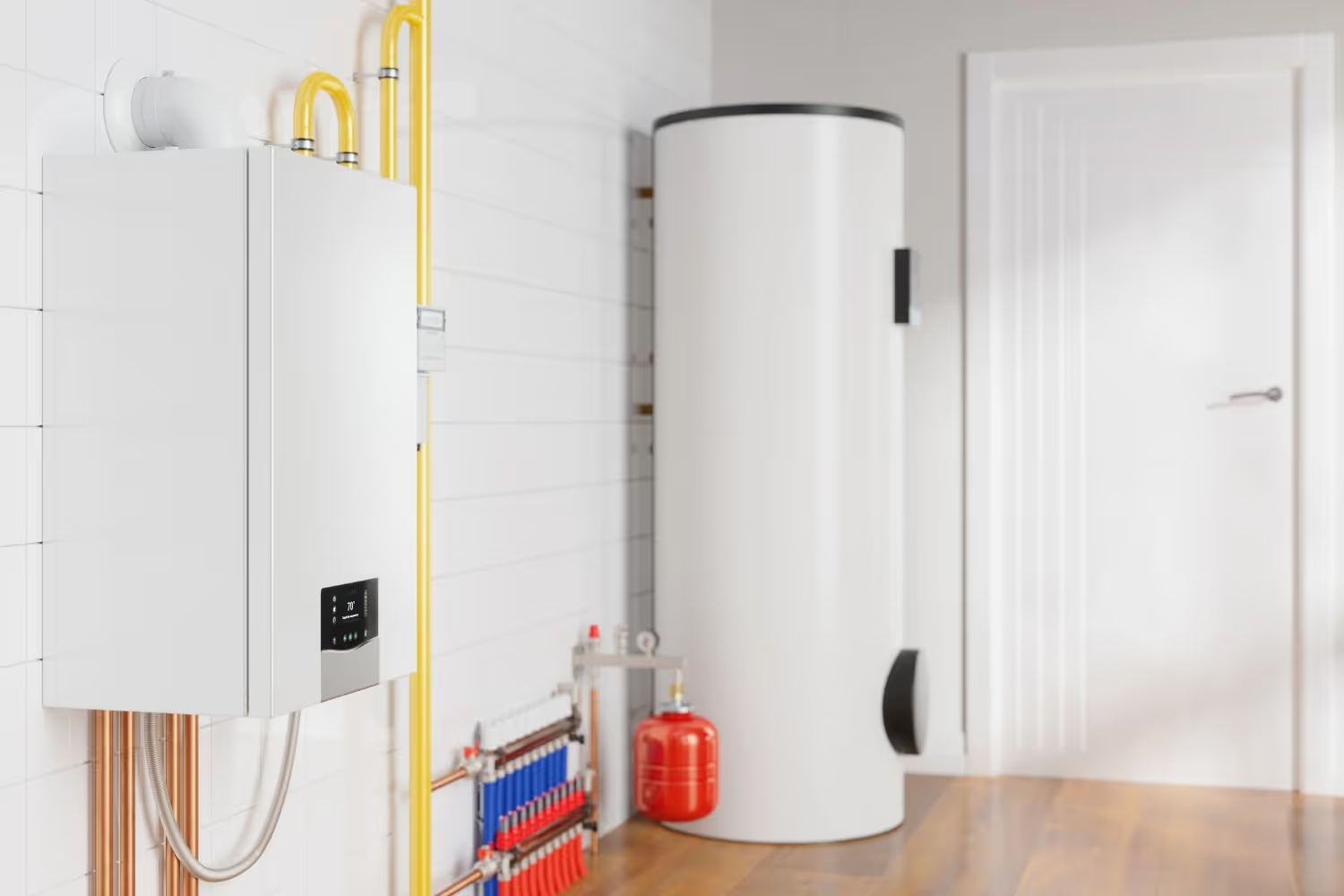
The Installation Process: From Assessment to Heat
A systematic approach prevents future breakdowns. The difference between a boiler that lasts 10 years and one that lasts 20 years often comes down to the precision of the installation. We follow a strict protocol to ensure every connection is sealed, every sensor is calibrated, and the system drafts correctly.
Step-by-Step Execution:
- Preparation and Safety Checks: The workspace is prepped with drop cloths to protect flooring. Technicians shut off gas or oil supply lines and electrical circuits. If the system is hydronic (water-based), the system is drained completely to prevent leaks during removal.
- Extraction of Old Hardware: The existing unit is disconnected from the flue, fuel source, and distribution piping. Heavy cast iron units are broken down or removed carefully to avoid damage to the foundation or surrounding walls.
- System Placement and Leveling: The new boiler is positioned. Leveling is critical for proper water flow and, in the case of high-efficiency condensing boilers, to ensure that condensate drains properly. If the unit is wall-mounted, a load-bearing backboard is secured to the studs.
- Piping and Hydronic Connections: Technicians connect the supply and return lines. This stage involves installing essential components such as the circulator pumps, expansion tanks, and air separators. The air separator is vital for removing micro-bubbles from the water, which prevents noise and corrosion inside the pipes.
- Venting and Intake: For condensing boilers, two pipes are typically run to the exterior: one to bring in fresh combustion air and one to exhaust flue gases. This sealed combustion process is safer and more efficient than using indoor air for combustion.
- Gas and Electrical Integration: Gas lines are connected and pressure-tested to ensure there are no leaks. Electrical wiring is run to the boiler controls, thermostat, and pumps. This includes integrating smart thermostats if requested.
- Commissioning and Testing: The system is filled with water and purged of air. The technician fires up the boiler, checking the gas pressure at the manifold and analyzing combustion gases to ensure the fuel-to-air ratio is perfect. Radiators or baseboards are checked to confirm they are heating up evenly.
Deciding Between Repair and Full Replacement
Homeowners often struggle with the decision to repair an aging unit or invest in a new one. While a repair might seem cheaper upfront, it is often a sunk cost that delays the inevitable. Boiler systems have a finite lifespan, and efficiency drops significantly as internal components corrode or become fouled with sediment.
You should consider immediate replacement if your current situation meets specific criteria regarding age, cost, and safety.
The 50% Rule:
A general industry standard is the 50% rule. If the cost of the repair approaches 50% of the cost of a new system, replacement is the smarter financial move. Investing thousands of dollars into a 15-year-old system is risky, as another major component could fail the following month.
Critical Replacement Indicators:
- Age of the Unit: Cast iron boilers can last 20-30 years, but their efficiency drops. If your boiler is over 15 years old and requires a major part like a heat exchanger or a gas valve, Gibson Heating & Cooling recommends evaluating the long-term fuel savings of a replacement.
- Corrosion and Leaks: If the body of the boiler is leaking, it cannot be patched. A cracked heat exchanger or a corroded tank indicates the unit has reached the end of its life. Continued use can lead to significant water damage in the home.
- Rising Energy Bills: Older boilers often operate at 60-70% AFUE (Annual Fuel Utilization Efficiency). This means 30-40 cents of every dollar you spend on fuel is wasted up the chimney. Modern condensing boilers reach up to 98% AFUE. The monthly savings can offset the installation cost over time.
- Uneven Heating: If some rooms are boiling hot while others are freezing, the boiler may be struggling to maintain pressure or circulation. While sometimes a piping issue, it is often a sign the boiler can no longer handle the home’s load.
- Noise and Smell: Banging, clanging (kettling), or persistent odors are signs of internal failure or incomplete combustion. These issues can escalate into carbon monoxide hazards.
Navigating Local Requirements in Mount Laurel
Boiler installation in New Jersey requires strict adherence to local building codes and safety regulations. The humid subtropical climate of the region, characterized by damp cold and potential nor'easters, demands a heating system that is robust and reliable. Unlike dry climates, the humidity here can make the cold feel more penetrating, making the radiant heat of a boiler system a superior choice for comfort compared to forced air.
Permitting and Inspections:
New Jersey mandates that all boiler replacements be performed by licensed contractors and typically requires a construction permit. This process ensures that the gas piping, venting, and electrical connections meet safety standards. Following the installation, a municipal inspection is usually required to close the permit. We handle the administrative burden of permit applications to ensure your installation is fully compliant with local laws.
Utility Coordination:
Whether your system runs on natural gas from a local provider or uses heating oil, proper coordination is necessary. For gas conversions or upgrades, pressure tests must verify that the existing gas meter can handle the BTU load of the new equipment. In older Mount Laurel homes, upgrading from oil to gas is a common request that involves coordinating with the utility company to run a line to the house.
Seasonal Considerations:
The ideal window for boiler replacement is late summer or early autumn. However, failures often happen during the peak of winter. Local installers must be equipped to handle frozen ground conditions or snow accumulation that might obstruct venting areas. Ensure your intake and exhaust pipes are located high enough to remain clear of snow drifts, which is a specific concern during heavy regional storms.
Why Professional Installation Matters
The longevity and safety of your boiler depend entirely on the quality of the installation. A boiler involves the intersection of water, gas, electricity, and exhaust gases; a mistake in any of these areas can be catastrophic. Professional installation mitigates risk and ensures that manufacturer warranties remain valid.
Safety Assurance:
Carbon monoxide is a byproduct of combustion. If a flue pipe is not sized or sealed correctly, this deadly gas can backdraft into your living space. Certified technicians use combustion analyzers to verify that the system is drafting safely and operating within safe parameters. Furthermore, gas leaks are a severe fire risk; professional pressure testing eliminates this danger.
Warranty Protection:
Manufacturers of top-tier boiler brands state explicitly that their warranties are void if the equipment is not installed by a licensed professional. If a component fails three years down the line, you need the paperwork proving a certified install to claim your free replacement part. We ensure all registration and documentation is handled correctly.
System Optimization:
A "box-swap" installation—simply putting a new unit where the old one was without checking the rest of the system—often leads to poor performance. Professional installers clean the distribution system, check the expansion tank pressure, and ensure the thermostat communicates correctly with the zone valves. This holistic approach guarantees that your high-efficiency equipment actually delivers the savings it promises.
Technical Expertise:
Modern boilers use advanced electronics and modulating burners that adjust the flame size based on demand. Configuring these settings requires specialized training. Incorrect parameters can cause the boiler to short cycle or lock out, leaving you without heat. Trusting an expert ensures the computer inside your boiler is programmed for your specific home environment.
When the temperature drops, you cannot afford to second-guess your heating system. Secure your home against the cold with a reliable, efficient, and professionally installed boiler. Don't wait for a complete system failure in the middle of a freeze. Contact us today to schedule your boiler installation or replacement consultation.
Schedule Boiler Installation Today
A failing boiler puts your home, plumbing, and family at risk—especially during Mount Laurel’s coldest months. Gibson Heating & Cooling delivers expert boiler installation with fast turnaround times, precise system sizing, and high-efficiency equipment built for long-term reliability. From emergency replacements to planned upgrades with flexible financing, our licensed professionals manage every detail to ensure safe, consistent heat. Schedule your boiler installation today and secure dependable warmth before the next cold snap arrives.
our process
Our heating Process Section
01
Thorough Diagnosis/Consultation
We start with a comprehensive assessment of your needs.
02
Upfront & Honest Pricing
We provide a clear, detailed estimate before any work begins.
03
Professional
Schedule
Our certified technicians perform the work to the highest standards.
04
Final Inspection & Clean-up
We ensure everything is working perfectly and leave your home clean.
testimonials
The Customer Experience:
Where Comfort Meets Reliability.
Trusted by Homeowners Across Burlington County.
