
Heat Pump Installation in Moorestown, NJ

Secure Consistent Indoor Comfort Through Advanced Heat Pump Solutions
Dealing with outdated HVAC equipment that fails to keep up with freezing winters or humid summers in Moorestown creates unnecessary stress and high utility bills. If your current system leaves you shivering in January or sweating in July, upgrading to a modern heat pump provides a unified solution for year-round temperature control. Contact Gibson Heating & Cooling today to schedule an on-site assessment or learn about our financing options.
- Enhance your home’s energy efficiency immediately with top-rated, dual-fuel capable heat pump technology.
- Enjoy a seamless installation experience that prioritizes your schedule, often available as soon as today to ensure minimal downtime.
- Experience total peace of mind with our comprehensive labor warranties and dedicated post-installation support.
All installations fully comply with local building codes, with flexible financing plans available to fit your budget.

Immediate Solutions: Scope, Timeline, and Inclusions
When you commit to a new heat pump installation, you are investing in a comprehensive service that goes far beyond simply dropping a new unit onto a concrete pad. A professional installation ensures that the entire system—ductwork, electrical connections, and refrigerant lines—works in harmony to deliver maximum efficiency. Homeowners need a transparent view of what happens between the initial quote and the final thermostat programming.
The scope of a standard installation involves a rigorous site evaluation. Technicians do not guess; they measure. This includes calculating the heating and cooling load requirements specific to your property’s square footage, insulation levels, and window orientation. Improper sizing is the leading cause of premature system failure, so this step is critical. The timeline for installation is designed to be efficient. In many cases, a full system replacement takes one day, provided there are no major structural modifications required to the ductwork.
Included in a professional installation service:
- Site Preparation and Protection: Technicians use drop cloths and shoe covers to protect flooring and furniture. The workspace is cleared to ensure safety and accessibility.
- Safe Removal of Old Equipment: The existing furnace, air conditioner, or older heat pump is disconnected. Refrigerant is recovered according to EPA guidelines to prevent environmental contamination, and the old unit is hauled away for proper recycling.
- System Sizing and Selection: A Manual J load calculation determines the precise BTU capacity needed. This prevents "short cycling" (a unit that is too big) or constant running (a unit that is too small).
- Thermostat Upgrade: Modern heat pumps often require smart thermostats to manage features like auxiliary heat strips or dual-fuel switchovers. The installation includes setting up and programming these controls.
- Final Commissioning: The system is not just turned on; it is tested. Airflow is measured, refrigerant pressures are balanced, and temperature differentials are verified to ensure the system meets manufacturer specifications.
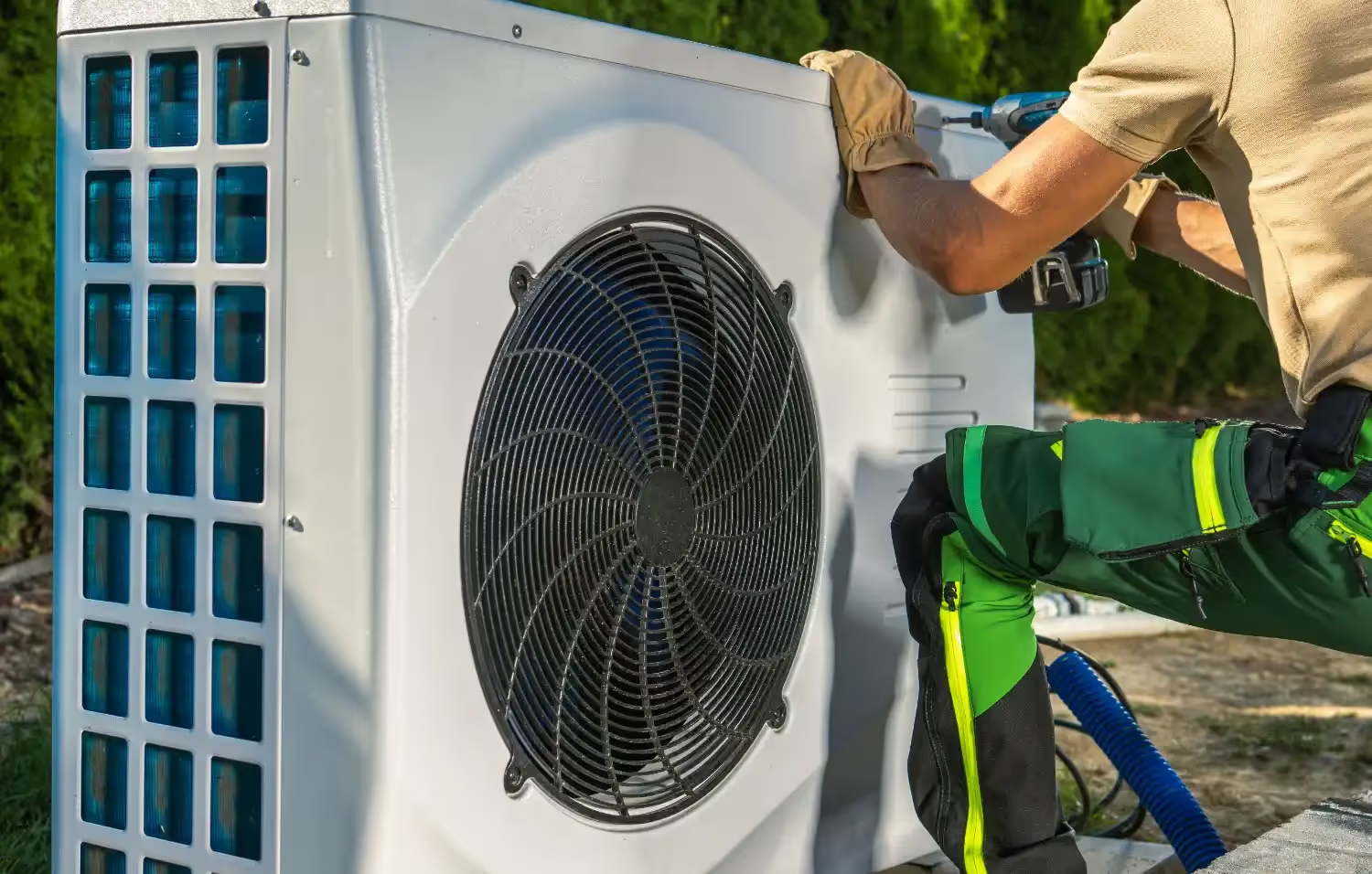
Our Detailed Heat Pump Installation Process
A standardized, meticulous process minimizes the risk of future breakdowns and ensures the longevity of your investment. Gibson Heating & Cooling follows a strict protocol to ensure every component acts exactly as designed.
Initial Assessment and Engineering:
The process begins with an evaluation of the existing infrastructure. Technicians inspect the condition of current ductwork to ensure it can handle the airflow of a new, high-efficiency system. Electrical panels are checked to verify they can support the amperage requirements of the new heat pump. If the home requires a dual-fuel system—using a gas furnace as a backup for extreme cold—the gas lines and venting are inspected for integrity.
Equipment Positioning and Mounting:
The outdoor unit (condenser) is placed on a composite pad to dampen vibration and keep the unit level, which is vital for the compressor's oil distribution. Proper clearance is maintained around the unit to allow for adequate airflow and future maintenance access. For the indoor unit (air handler), technicians ensure a secure mount that minimizes noise transfer to the living spaces.
Refrigerant Line and Electrical Connection:
Copper refrigerant lines are routed from the outdoor unit to the indoor coil. These lines are brazed using nitrogen purging to prevent oxidation inside the pipes, a crucial step for the long-term health of the compressor. High-voltage wiring is connected to the disconnect box, and low-voltage control wiring is run to the thermostat.
Vacuum and Charge:
Before releasing refrigerant, a deep vacuum is pulled on the lines to remove all moisture and non-condensable gases. Moisture in the lines can freeze or react with oil to form acid, destroying the system from the inside out. Once the vacuum is verified, the system is charged with the precise amount of refrigerant mandated by the manufacturer.
System Testing and Walkthrough:
The system is run in both heating and cooling modes. Technicians verify that the reversing valve actuates correctly and that the auxiliary heat engages when demanded. Finally, the technician walks the homeowner through the operation of the new system, explaining filter changes, thermostat programming, and maintenance requirements.
Deciding Between Heat Pump Repair vs. Replacement
Determining whether to sink more money into an aging system or invest in a new installation is a financial and logical calculation. While repairs can solve immediate issues, they often act as temporary patches on a system that is nearing the end of its useful life.
Consider replacement if the equipment is over 10 to 15 years old. Heat pump technology has advanced significantly in the last decade. A unit from 2010 operates at a much lower efficiency (SEER and HSPF ratings) than modern options. Keeping an old unit running often results in higher monthly energy bills that could otherwise offset the monthly cost of a new, financed system.
Evaluate the frequency of breakdowns. If you have required repairs more than once in the last two years, the system is likely entering a phase of component failure. As compressors and motors wear out, they place stress on other parts, leading to a domino effect of repairs.
Analyze the cost of the repair against the value of the unit. The "50% Rule" is a standard industry metric: if the cost of the repair approaches 50% of the cost of a new system, replacement is the smarter financial move. Major failures, such as a compressor burnout or a leaking refrigerant coil in an older unit, rarely make sense to repair.
Review refrigerant types. Older systems utilize R-22 (Freon), which has been phased out and is now prohibitively expensive to restock. If an older unit develops a leak, the cost of the refrigerant alone can sometimes exceed the down payment on a new installation. Modern systems use R-410A or newer, more environmentally friendly alternatives that are readily available and affordable.
Understanding Moorestown-Specific Considerations and Benefits
Local geography and climate play a massive role in how a heat pump should be configured. Moorestown is situated in a climate zone that sees significant humidity in the summer and temperatures that can drop below freezing in the winter. This variability requires equipment that is versatile and correctly calibrated.
Humidity Control
In the humid summers typical of this region, a heat pump acts as a powerful dehumidifier. However, this is only effective if the unit is sized correctly. An oversized unit will cool the house too quickly and shut off before it has had time to pull moisture from the air, leading to a clammy, uncomfortable indoor environment. Professional installation ensures the run cycles are long enough to dehumidify effectively without wasting energy.
Heating Performance in Freezing Temperatures
Standard heat pumps extract heat from the outside air. As temperatures drop, there is less heat to extract. For homes in this area, it is often necessary to install cold-climate heat pumps or dual-fuel systems. A cold-climate heat pump uses variable-speed compressors to maintain 100% efficiency even when temperatures drop to 5°F or lower. Alternatively, a dual-fuel system switches to a gas furnace during the coldest nights, ensuring comfort is never compromised.
Permits and Regulations
Installing a heat pump in Moorestown involves navigating local building codes. Permits are generally required for HVAC replacements to ensure the work meets safety standards regarding electrical connections and venting. A licensed contractor handles the permit application and coordinates the final inspection with township officials. This ensures the homeowner is not liable for unpermitted work when it comes time to sell the property.
Utility Rebates and Incentives
New Jersey often offers substantial rebates for high-efficiency electric appliances through state Clean Energy programs. These incentives focus on encouraging the switch from fossil fuels to high-efficiency heat pumps. Professional installers are aware of current qualifying SEER2 and HSPF2 ratings and can provide the necessary documentation to help homeowners claim these rebates, significantly lowering the net cost of installation.
Why Choose Us? Credentials and Local Customer Reviews
Selecting the right partner for your heat pump installation is just as important as selecting the brand of equipment. The quality of the installation dictates the efficiency and lifespan of the unit. We focus on technical excellence and adherence to industry best practices.
- Certified Expertise: Technicians hold NATE (North American Technician Excellence) certifications, proving they have passed rigorous testing on real-world HVAC scenarios. This ensures that the person working on your home understands the physics of airflow and thermodynamics, not just how to turn a wrench.
- Local Experience: Understanding the specific housing stock in the area is vital. From historic homes with limited space for ductwork to modern constructions with tight building envelopes, experience with local architecture ensures that solutions are tailored to the structure, avoiding unsightly modifications.
- Manufacturer Partnerships: As authorized dealers for leading brands, we can offer extended equipment warranties that are not available through unauthorized contractors. This protects your investment for up to 10 or 12 years, covering major components like compressors and coils.
- Transparent Pricing and Financing: There are no hidden fees. Proposals clearly outline the cost of equipment, labor, permits, and materials. Flexible financing options allow homeowners to upgrade their comfort immediately while paying over time, often with interest rates that make the monthly payment comparable to the energy savings generated by the new unit.
Schedule Service With Us
Investing in a new heat pump is a significant decision that impacts your daily comfort and long-term finances. By choosing a team that prioritizes technical precision, code compliance, and customer transparency, you ensure that your home remains a sanctuary against the weather elements. Gibson Heating & Cooling is dedicated to delivering installations that stand the test of time, providing efficient heating and cooling for years to come.
Ready to upgrade your home’s efficiency and comfort? Contact us today to schedule your consultation and receive a comprehensive estimate for your new heat pump system.
our process
Our heating Process Section
01
Thorough Diagnosis/Consultation
We start with a comprehensive assessment of your needs.
02
Upfront & Honest Pricing
We provide a clear, detailed estimate before any work begins.
03
Professional
Schedule
Our certified technicians perform the work to the highest standards.
04
Final Inspection & Clean-up
We ensure everything is working perfectly and leave your home clean.
testimonials
The Customer Experience:
Where Comfort Meets Reliability.
Trusted by Homeowners Across Burlington County.
