
AC Installation in Delran, NJ

Is Your Cooling System Failing When You Need It Most?
Facing the unbearable summer heat without a working AC can be frustrating and uncomfortable, especially when humidity levels spike in Delran, NJ. Whether it's an outdated system or sudden breakdowns, quick and professional installation is crucial to restoring safety and comfort to your home—contact us immediately to discuss financing or schedule an evaluation.
- Get your new AC installed as soon as today — no waiting.
- Enjoy efficient cooling with certified and experienced technicians.
- 24/7 service availability to address urgent needs.
All installations are compliant with local codes, with extended warranties and financing options available.
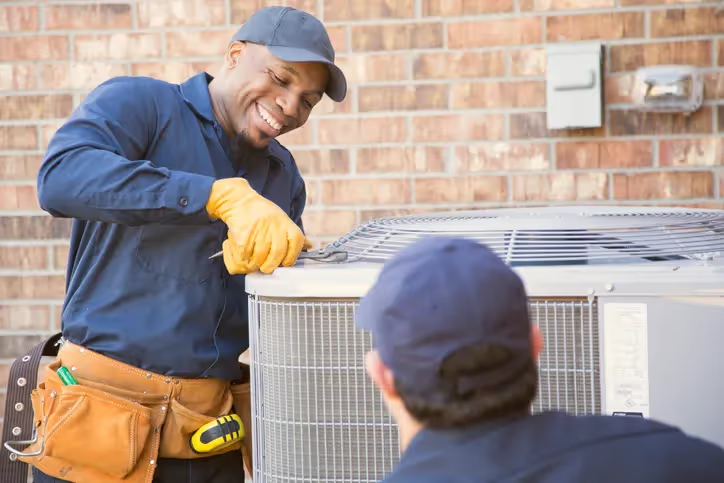
Today’s AC Installation: What to Expect
Modern air conditioning installation involves much more than simply swapping out a box outside your home. It requires a comprehensive approach to home comfort, ensuring that the new machinery communicates effectively with your existing ductwork and thermostat. Homeowners in Delran often find that upgrading to a modern system solves persistent issues such as uneven cooling, high humidity levels indoors, and skyrocketing energy bills during the peak of summer.

When you authorize a new installation, the focus shifts immediately to capacity and efficiency. Older units often relied on rough estimates for sizing, but current standards demand precision. A unit that is too large will cycle on and off too frequently, failing to remove humidity, while a unit that is too small will run continuously without ever reaching the set temperature. The goal is to install a system that runs at optimal cycles, maintaining a consistent temperature while using the least amount of electricity possible.
Gibson Heating & Cooling prioritizes a seamless transition from your old unit to the new system. This process includes protecting your property during the swap, managing the safe disposal of old refrigerants, and ensuring that the electrical infrastructure supports the new, high-efficiency equipment. You can expect a timeline that respects your schedule, with technicians who arrive prepared to complete the job efficiently, minimizing the time your home spends without climate control.
Your Guide to AC Installation: Step by Step
A professional installation follows a rigorous protocol designed to maximize the lifespan of the equipment. Skipping steps or rushing the process can lead to compressor failure or refrigerant leaks years down the line. The process is transparent, allowing you to understand exactly what is happening at every stage of the project.
Load Calculation and Sizing
Before any equipment is ordered, technicians perform a manual load calculation. This involves measuring the square footage of the home, assessing insulation levels, counting windows and their orientation, and evaluating heat-generating appliances. This data determines the exact BTU capacity required to cool the home efficiently.
Site Preparation and Protection
Technicians prepare the workspace to prevent damage to your home and landscaping. Drop cloths are laid down in traffic areas, and the area around the outdoor condenser is cleared of debris. Safety checks are performed on the existing electrical connections and the pad where the unit sits to ensure stability.
Removal of the Existing System
The old unit is disconnected from the power source. Technicians recover the old refrigerant into approved cylinders to prevent environmental contamination, adhering to EPA regulations. The condenser and evaporator coil are then physically removed from the property.
Installation of New Components
The new condenser is positioned on a level pad to ensure proper operation of the compressor oil system. Inside, the new evaporator coil is installed into the plenum. If necessary, modifications are made to the ductwork to accommodate the physical dimensions of the new equipment.
Refrigerant Line Connection
The copper refrigerant lines are connected. Technicians braze these lines using nitrogen to prevent oxidation inside the pipes, a critical step for preventing future blockages. Once connected, the lines are pressure-tested to ensure there are no leaks.
Vacuum and Charge
A vacuum pump removes all moisture and air from the lines. Once a deep vacuum is achieved, the manufacturer-specified amount of refrigerant is released into the system.
Final Testing and Commissioning
The system is powered on and tested. Technicians measure airflow, static pressure, and temperature differentials (the drop in temperature across the coil) to verify the system is performing to factory specifications.
Assessing AC Replacement vs. Repair: When It’s Time to Upgrade
Deciding between repairing a faltering unit and investing in a new system is a financial calculation based on long-term value. While a repair might seem cheaper upfront, sinking money into a dying system often leads to higher costs over time. Understanding the thresholds for replacement helps homeowners make rational, not emotional, decisions.
The 50% Rule
If the cost of a necessary repair approaches 50% of the value of a new system, replacement is generally the smarter financial move. Major component failures, such as a blown compressor or a cracked coil in an older unit, usually trigger this rule. Investing thousands into a unit that has already exceeded its warranty period offers a poor return on investment.
System Age and R-22 Freon
Air conditioners typically last between 10 and 15 years. If your unit is over 10 years old and requires a refrigerant recharge, you may be dealing with R-22 (Freon), which has been phased out and is exorbitantly expensive. Upgrading to a modern system utilizing R-410A or newer refrigerants eliminates this sourcing issue and ensures compliance with environmental standards.
Rising Energy Bills
As systems age, they lose efficiency due to wear and tear on the compressor and coil corrosion. If your summer electric bills in Delran have been steadily climbing despite normal usage, the equipment is likely working twice as hard to produce the same amount of cooling. New systems with higher SEER2 ratings can reduce cooling costs significantly, offsetting the monthly cost of financing a new installation — view current promotions.
Frequency of Breakdowns
If you require service calls multiple times a year, the system has become unreliable. The cost of cumulative service fees, parts, and the inconvenience of waiting for repairs outweighs the cost of a predictable, monthly payment for a new, warranty-backed system. Gibson Heating & Cooling helps homeowners evaluate these metrics clearly to determine the best path forward.
Navigating Local AC Installation Requirements
Installing central air conditioning in Burlington County requires strict adherence to local building codes and an understanding of the regional climate. Compliance is not optional; it ensures the safety of the electrical grid and the home’s inhabitants.
Permitting and Inspections
Delran requires specific permits for mechanical and electrical work involved in HVAC installations. Professional installers manage the administrative burden of filing for these permits. Following installation, a township inspection is typically required to verify that the wiring, disconnect boxes, and unit placement meet safety standards. Selling a home with unpermitted work can lead to significant complications during closing, making professional compliance essential.
Dehumidification Needs
The local climate involves summers with high humidity and temperatures reaching the upper 80s. An air conditioner in this region must do more than lower the temperature; it must effectively remove moisture. If a unit is oversized, it will cool the air too quickly and shut off before it has had time to dehumidify the space, leading to a "clammy" indoor environment. Proper sizing takes this latent heat load into account.
Condensate Management
Given the rainfall average of around 45 inches annually, plus the condensate produced by the AC unit, drainage is a priority. Installers must ensure that the condensate drain lines are clear and properly pitched. In attics or finished spaces, secondary drain pans and safety float switches are mandatory to prevent water damage to ceilings and floors in the event of a clog.
Electrical upgrades
Older homes in the area may have outdated electrical panels. Modern high-efficiency AC units might require specific amperage or dedicated circuits that differ from older models. A qualified installation includes assessing the breaker panel to ensure it can handle the load without tripping, potentially requiring an electrical upgrade as part of the installation scope.
Why Choose Us? Expertise and Reliability in AC Services
Selecting the right contractor is as important as selecting the right brand of equipment. The quality of the installation dictates 70% of the system’s efficiency and longevity. High-quality equipment installed poorly will fail prematurely, whereas mid-range equipment installed perfectly can provide years of reliable service.
Certified Technical Expertise
Technicians undergo rigorous training and certification processes. This ensures they are up-to-date on the latest building codes, refrigerant handling procedures, and diagnostic technologies. You are not getting a handyman; you are getting a specialist dedicated to HVAC systems.
Warranty Protection
Professional installation activates the manufacturer's warranty. Most major brands require proof of installation by a licensed contractor to honor parts warranties. Additionally, labor warranties provide a safety net, ensuring that if an issue arises post-installation, it is rectified without additional cost to the homeowner — view our memberships.
Respect for Your Home
The installation process is invasive by nature, but top-tier providers mitigate this impact. Technicians use shoe covers, drop cloths, and thorough cleanup procedures. The goal is to leave the home exactly as it was found, only cooler. Old equipment and debris are hauled away, leaving you with nothing to manage but your thermostat settings.
Transparent Pricing and Financing
Written estimates provide a clear breakdown of costs, eliminating surprises. Financing options allow homeowners to upgrade to higher-efficiency systems that might otherwise be out of budget, spreading the investment over time while immediately benefiting from lower energy bills.
Call Now
When the heat becomes a hazard rather than just a nuisance, you need a partner who acts with speed and precision. Gibson Heating & Cooling delivers the technical proficiency and responsive service required to restore your home environment. Do not wait for a complete system failure during the hottest week of the year.
Contact us today to schedule your consultation and secure your comfort for the season ahead.
our process
Our heating Process Section
01
Thorough Diagnosis/Consultation
We start with a comprehensive assessment of your needs.
02
Upfront & Honest Pricing
We provide a clear, detailed estimate before any work begins.
03
Professional
Schedule
Our certified technicians perform the work to the highest standards.
04
Final Inspection & Clean-up
We ensure everything is working perfectly and leave your home clean.
testimonials
The Customer Experience:
Where Comfort Meets Reliability.
Trusted by Homeowners Across Burlington County.
