
Air Conditioning Maintenance in Cherry Hill, NJ

Feeling the Heat? Get Reliable and Quick Air Conditioning Maintenance Now!
Tired of sweltering in the summer heat due to a malfunctioning AC? We understand the urgency and provide fast, reliable air conditioning maintenance to restore your comfort in Cherry Hill, NJ. Contact us today to schedule your service or inquire about available financing options.
Gibson Heating & Cooling ensures your system operates at peak efficiency when you need it most. When your cooling system falters, waiting days for a technician is not an option. Our approach focuses on immediate responsiveness and thorough diagnostics to prevent minor issues from becoming major system failures.
- Same-day service ensures you’re not left in the heat longer than necessary.
- Fully stocked trucks to handle most repairs on the first visit.
- Professional technicians available 24/7 for any emergencies.
All services are backed by a comprehensive warranty and flexible financing options.
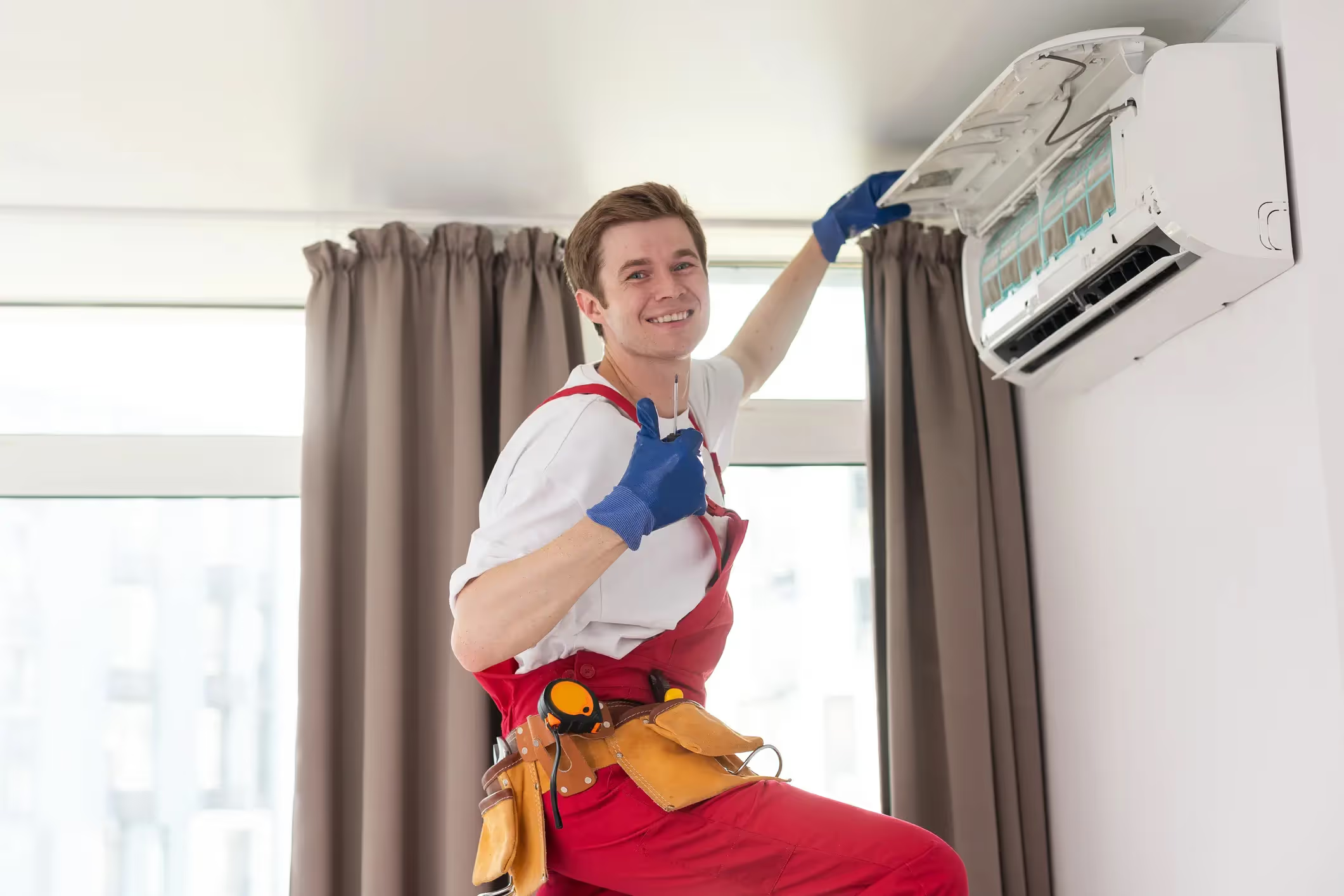
Instant Relief with Professional Air Conditioning Maintenance
Reactive repairs often happen at the worst possible times, usually during the hottest week of the year. While emergency service handles the immediate breakdown, proactive professional maintenance is the mechanism that prevents these emergencies. A comprehensive tune-up does more than simply clean the unit; it recalibrates the system to manufacturer specifications, ensuring that every component functions in harmony.
Homeowners in this region face specific challenges due to high humidity levels and fluctuating temperatures. An air conditioner that is not properly maintained struggles to remove moisture from the air, leading to a clammy indoor environment and potential mold growth within the ductwork. Professional maintenance addresses these hidden issues before they impact indoor air quality or cause total system seizure.
The goal of professional maintenance is threefold: extending the lifespan of the equipment, reducing monthly energy expenditures, and ensuring consistent cooling performance. When a system is neglected, it must work harder to achieve the set temperature, drawing more amperage and wearing down internal components like the compressor and blower motor. By restoring the system to optimal conditions, the workload is reduced, and reliability is restored.
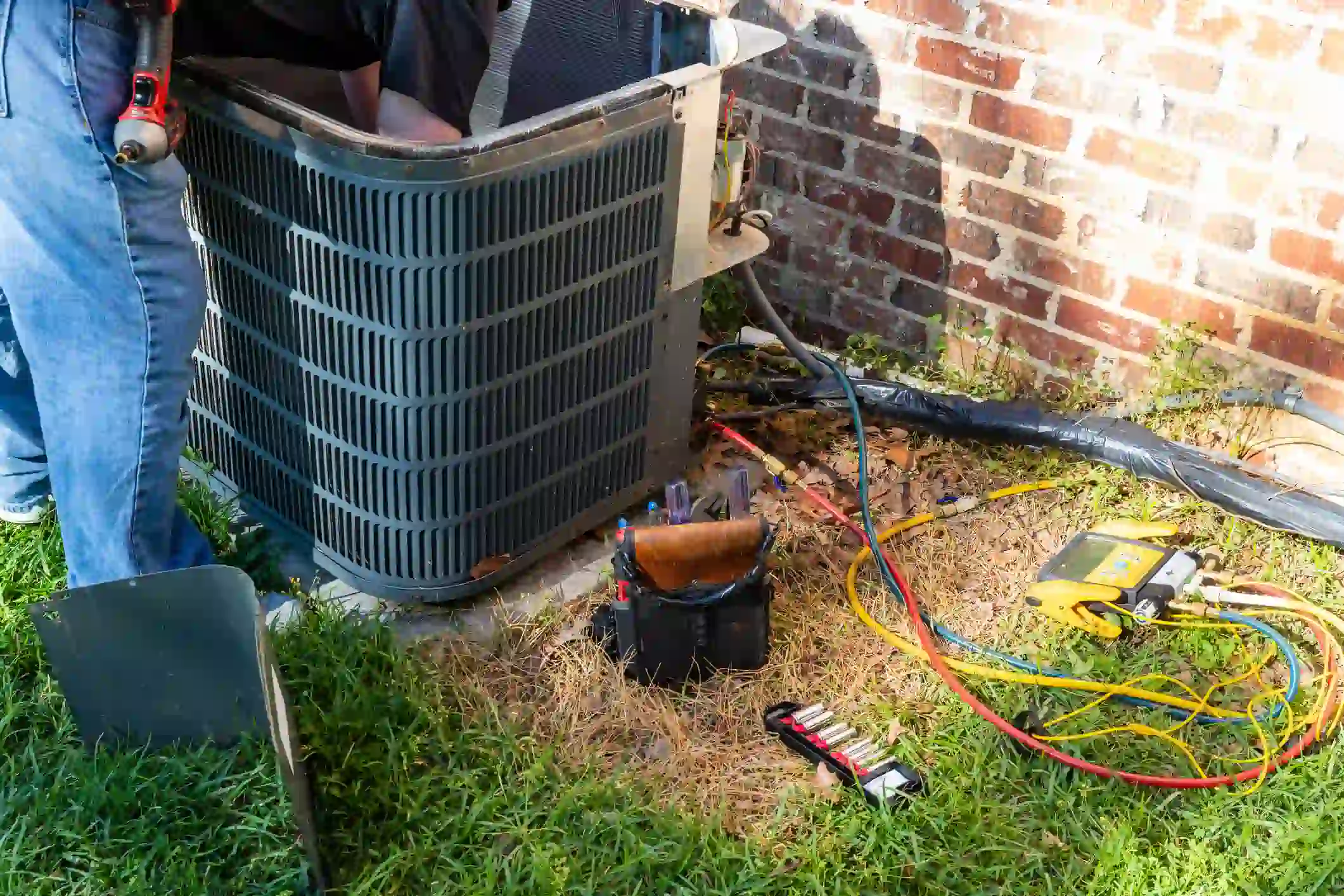
Comprehensive Service Overview: From Diagnostics to Cooling
A true maintenance visit goes far beyond a simple filter change. It involves a rigorous inspection of the system's mechanical, electrical, and thermodynamic functions. Our technicians utilize advanced diagnostic tools to measure airflow, electrical draw, and refrigerant pressures.
- Thermostat Calibration: Technicians verify that the thermostat reads temperature accurately and communicates effectively with the air handler and condenser. Miscalibration can cause the unit to run longer than necessary or short-cycle, both of which waste energy.
- Electrical Connection Tightening: Vibration from the unit’s operation can loosen electrical connections over time. Loose connections create resistance, which leads to heat buildup and can burn out wires or damage critical components like the capacitor or contactor. Technicians inspect and tighten all terminals and check voltage readings.
- Evaporator and Condenser Coil Cleaning: Clean coils are essential for heat transfer. Even a thin layer of dust on the evaporator coil acts as an insulator, preventing the refrigerant from absorbing heat from your home. Similarly, a dirty condenser coil cannot release heat effectively outside. Cleaning these coils restores the system’s ability to cool efficiently.
- Refrigerant Level Assessment: Incorrect refrigerant levels—whether too high or too low—can severely damage the compressor. Technicians check superheat and subcooling levels to ensure the refrigerant charge is exact. If a leak is detected, it is identified for repair rather than simply topping off the system, which is a temporary and often illegal fix under EPA regulations.
- Condensate Drain Inspection: The AC removes moisture from the air, which drains away via the condensate line. Algae and sediment can clog this line, leading to water backups that can damage your home or trigger the system’s safety float switch, shutting the unit down. Clearing and treating the drain line is a standard part of maintenance.
- Lubrication of Moving Parts: Motors and fans require proper lubrication to reduce friction. Without it, these components overheat and degrade faster. Technicians apply the correct lubricants to ensure smooth, quiet operation.
Our Step-by-Step Air Conditioning Maintenance Process
Understanding what occurs during a service visit helps homeowners see the value of professional intervention. Gibson Heating & Cooling follows a structured, repeatable process to ensure no detail is overlooked and that every system receives the same high standard of care.
- Arrival and Site Assessment: First, the technician arrives in a fully stocked vehicle, ready to address the specific make and model of your equipment. They perform a visual inspection of the outdoor unit's location, checking for debris, vegetation encroachment, or physical damage that might impede airflow.
- System Shutdown and Safety Check: Next, power to the unit is safely disconnected to allow for internal inspection. The technician examines the safety controls, ensuring that limit switches and shut-offs are functioning correctly to protect both the equipment and the household.
- Internal Cleaning and Tuning: Then, the core maintenance tasks begin. Panels are removed to access the interior components. Debris is cleared from the base of the cabinet, coils are chemically cleaned if necessary, and the blower wheel is inspected for dust buildup. Electrical components are tested with multimeters to ensure they fall within the manufacturer’s specified ranges.
- Re-energizing and Testing: After the physical work is complete, power is restored. The technician runs the system through a full cooling cycle. They measure the temperature drop across the evaporator coil (the "split") to confirm the system is actually cooling the air as it passes through the ductwork.
- Reporting and Recommendations: Finally, the technician provides a detailed report of the findings. If a component is showing signs of wear—such as a weak capacitor or a pitted contactor—this is noted. Recommendations are provided based on the severity of the wear, allowing the homeowner to decide whether to replace the part proactively or monitor it.
Deciding Between AC Repair and Replacement: A Guide
One of the most difficult decisions for a homeowner is knowing when to stop repairing an aging unit and invest in a replacement. While maintenance extends the life of a system, mechanical equipment eventually reaches a point of diminishing returns. Making the right choice depends on data, not guesswork.
- The 50% Rule: If the cost of a necessary repair approaches 50% of the value of the system (or the cost of a new unit), replacement is generally the smarter financial move. Investing significant capital into a dying system is rarely recoverable.
- Equipment Age and R-22 Phase-out: Air conditioners typically last between 10 and 15 years. If your unit is over 10 years old and requires a major repair—such as a compressor replacement—it is often better to replace it. Additionally, older units utilizing R-22 refrigerant are becoming prohibitively expensive to service due to global phase-outs of this ozone-depleting substance. Modern systems use R-410A or newer refrigerants and offer higher efficiency ratings. View current promotions today.
- Frequency of Breakdowns: If you find yourself calling for service multiple times a season, the system has likely become unreliable. The cumulative cost of minor repairs, combined with the inconvenience of repeated failures and higher energy bills, often outweighs the monthly cost of financing a new, high-efficiency system.
- Efficiency Ratings (SEER2): Older units often have SEER (Seasonal Energy Efficiency Ratio) ratings of 10 or 12. Modern standards require higher efficiency, often starting at 14 or higher. Upgrading from a SEER 10 to a SEER 16 unit can result in substantial savings on monthly utility bills, effectively helping the new system pay for itself over time.
Understanding Local Climate Needs for Optimal AC Performance
In Cherry Hill, NJ, the climate dictates specific requirements for air conditioning systems. The combination of high heat and high humidity creates a latent load that the AC must handle effectively. A system that cools the air but fails to dehumidify it leaves the home feeling sticky and uncomfortable, prompting users to lower the thermostat further and waste energy.
Humidity Control:
Properly maintained systems are critical for humidity removal. If the evaporator coil is dirty or the airflow is restricted, the coil temperature may not drop low enough to condense moisture out of the air. Conversely, if the system is oversized (a common issue in older installations), it will cool the house too quickly and shut off before it has had time to dehumidify. Maintenance visits verify that the system is running long enough cycles to balance both temperature and humidity.
Seasonal Transitions:
Spring and Fall in this region can be unpredictable. Early Spring service is crucial to prepare the unit for the sudden onset of heat. Waiting until the first heatwave often results in delayed service due to high demand. Fall maintenance helps identify any stress the system endured during the summer, ensuring it is clean and protected before sitting dormant or operating as a heat pump during the winter.
Local Regulations and Permits:
When repairs involve significant component replacements or system change-outs, adherence to local building codes is mandatory. This ensures that electrical connections are safe, refrigerants are handled according to environmental laws, and the installation meets energy code requirements. Professional providers handle all necessary permitting to ensure compliance and avoid future liability for the homeowner.
Why Trust Us? Licenses, Certifications, and Industry Standards
Selecting a service provider is a decision that impacts the safety and comfort of your home. The difference between a temporary fix and a long-term solution lies in the technical training and certification of the workforce. See our client reviews first.
- Certified Technicians: Technical competency is verified through industry certifications such as NATE (North American Technician Excellence) and EPA Section 608 certification for refrigerant handling. These credentials indicate that the technician has passed rigorous testing on the physical and chemical principles of HVAC systems. They understand the science behind airflow, heat rejection, and electrical safety.
- Regulatory Compliance: Adherence to federal and state regulations regarding refrigerant recovery and disposal is non-negotiable. Improper venting of refrigerant is illegal and harmful to the environment. Professional service ensures that all environmental protocols are followed strictly.
- Safety Protocols: HVAC maintenance involves working with high-voltage electricity, pressurized gases, and combustion appliances. Rigorous safety training ensures that technicians protect your property and themselves during the service visit. This includes using proper lockout/tagout procedures during electrical work and testing for carbon monoxide where applicable.
- Transparent Diagnostic Reporting: Professional service focuses on transparency. You receive clear explanations of what was tested, the specific readings obtained, and why a specific repair is recommended. There is no ambiguity regarding pricing or the scope of work.
Protect Comfort Before Failure Hits: Schedule AC Maintenance Today
Prioritize the longevity of your cooling system and the comfort of your home by choosing a provider committed to technical excellence and rapid response. Don't wait for a total system failure during the peak of summer.
Secure your comfort today. Schedule your comprehensive AC maintenance with Gibson Heating & Cooling now.
our process
Our heating Process Section
01
Thorough Diagnosis/Consultation
We start with a comprehensive assessment of your needs.
02
Upfront & Honest Pricing
We provide a clear, detailed estimate before any work begins.
03
Professional
Schedule
Our certified technicians perform the work to the highest standards.
04
Final Inspection & Clean-up
We ensure everything is working perfectly and leave your home clean.
testimonials
The Customer Experience:
Where Comfort Meets Reliability.
Trusted by Homeowners Across Burlington County.
