
Humidity Control in Cherry Hill, NJ

Excessive Moisture Compromising Your Indoor Comfort?
Dealing with sticky, uncomfortable air at home is more than just a nuisance; excessive humidity might be ruining your comfort and potentially damaging your health. If you are noticing condensation on windows or a persistent musty odor, contact us today to schedule a comprehensive air quality assessment or discuss our flexible financing options.
Residents in Cherry Hill, NJ often face unique climate challenges that fluctuate between humid summers and dry winters, making consistent indoor climate control essential. Ignoring these moisture issues can lead to significant structural damage and expensive remediation bills down the line. Gibson Heating & Cooling provides whole-home solutions designed to stabilize your environment permanently.
- Quick installation of leading dehumidifier and humidifier systems integrated directly into your HVAC.
- Expert advice on maintaining ideal indoor humidity levels to protect hardwood floors and furniture.
- Reduced risk of mold proliferation and significantly better overall air quality for your family.
Fully licensed with a satisfaction guarantee on all installations and services.
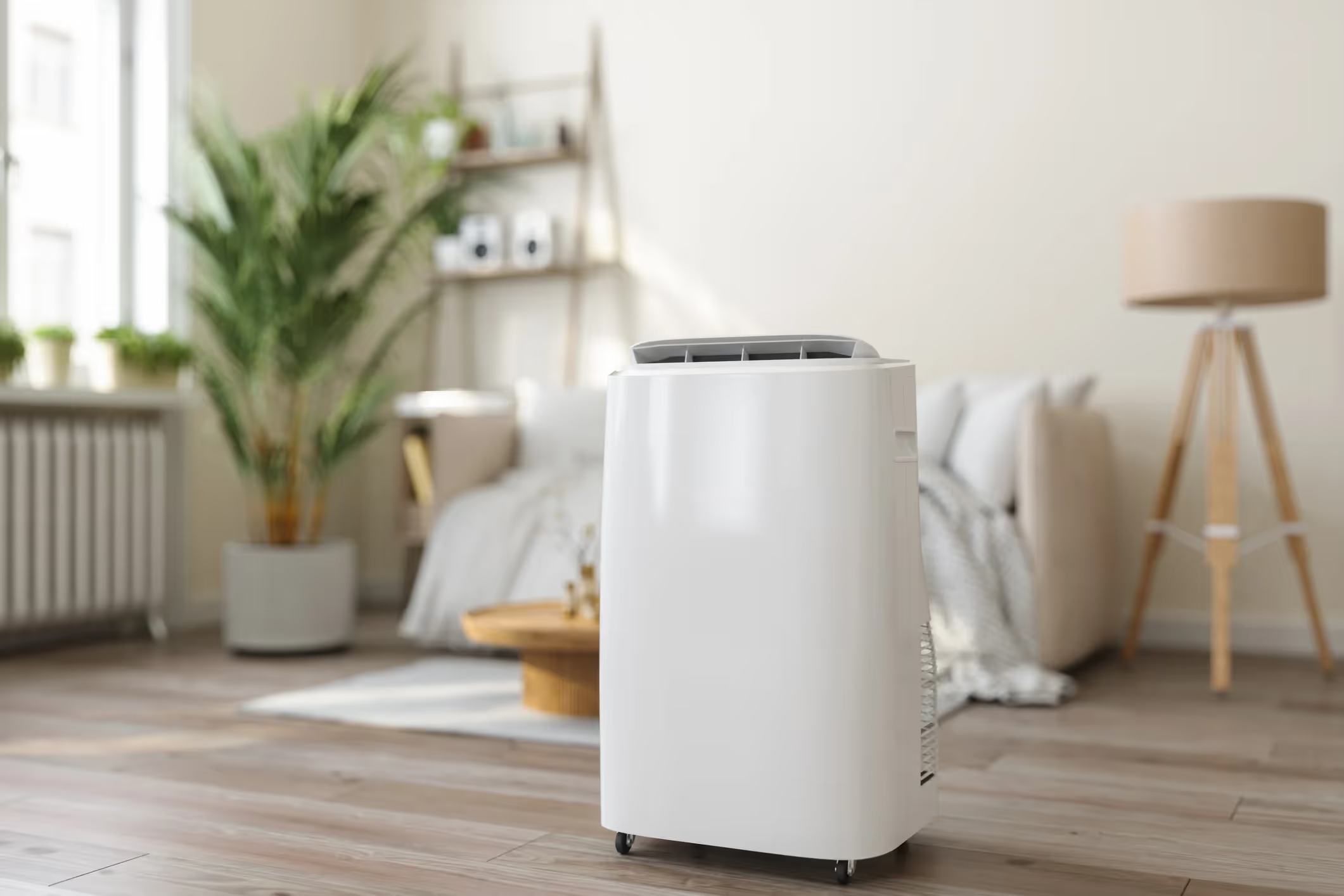
Why Managing Indoor Humidity is Crucial for Comfort and Health
Maintaining the correct relative humidity (RH) levels in your home is about far more than just feeling cooler in the summer or warmer in the winter. It is a critical component of home maintenance and personal health. In areas like Cherry Hill, where the weather patterns shift drastically, your home is constantly battling external moisture intrusion or excessive dryness.
When humidity levels rise above 50%, your home becomes a breeding ground for biological contaminants. Dust mites thrive in moist environments, and mold spores can begin to colonize drywall, carpeting, and insulation within 24 to 48 hours of exposure to high moisture. This degrades indoor air quality significantly, often triggering allergy symptoms, asthma attacks, and general respiratory distress.
Conversely, during the colder months, humidity often drops too low. This lack of moisture causes wood—including flooring, cabinetry, and structural framing—to contract and crack. It also dries out nasal passages, making the body more susceptible to viruses. Professional humidity control balances these extremes, keeping your home within the optimal 35% to 50% range year-round. This balance protects the structural integrity of your property while ensuring that the air you breathe is clean and safe.
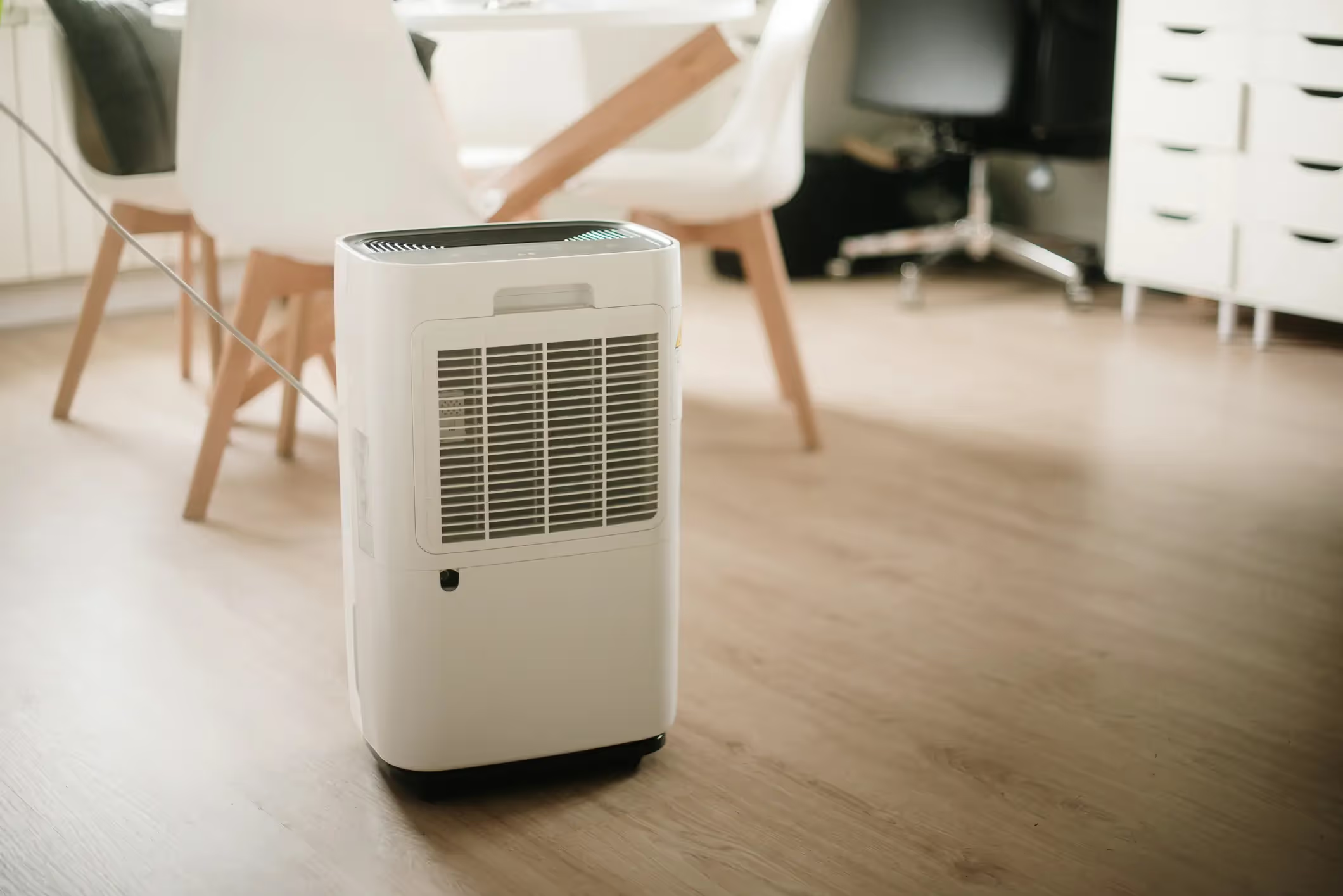
What You Gain From Professional Humidity Control
Investing in a whole-home humidity control system offers advantages that portable units simply cannot match. While a standalone unit might dry out a single room, it often does so inefficiently, generating noise and requiring constant manual draining. A professional system integrated into your central heating and cooling infrastructure transforms the way your home feels and functions.
Enhanced Energy Efficiency
High humidity makes air feel warmer than it actually is because it hinders the evaporation of sweat from your skin. By removing excess moisture, a whole-home dehumidifier allows you to set your thermostat several degrees higher in the summer while maintaining the same level of comfort. This reduces the workload on your air conditioner, leading to lower monthly energy bills and extending the lifespan of your cooling unit.
Protection of Home Assets
Excess moisture is the enemy of building materials. It causes wood floors to cup, doors to stick, and paint to peel. By stabilizing the environment, you extend the life of your home’s finishes and furnishings. This is particularly important for homes with expensive hardwood flooring, musical instruments like pianos, or valuable artwork, all of which require stable humidity to prevent warping and degradation.
Odor Elimination and Pest Deterrence
That distinct "basement smell" is usually a sign of mildew caused by dampness. Professional dehumidification eliminates the source of these odors rather than masking them. Furthermore, many household pests, including silverfish, cockroaches, and spiders, are drawn to moisture. Drying out the environment naturally discourages these pests from settling in your living spaces.
How Our Humidity Solutions Work—Step by Step Installation Guide
Integrating a humidity control system requires technical precision to ensure it works in harmony with your existing HVAC equipment. Gibson Heating & Cooling follows a rigorous protocol to ensure every installation delivers maximum performance with minimal disruption to your home.
Initial Load Calculation and Site Assessment
The process begins with a detailed evaluation of your home’s square footage, insulation levels, and current ductwork configuration. Technicians perform a load calculation to determine exactly how much moisture needs to be added or removed per day. This ensures the unit selected is neither undersized (which results in constant running without relief) nor oversized (which leads to short-cycling and inefficiency).
System Selection and Placement Strategy
Based on the assessment, the appropriate technology is selected. For humidity reduction, this typically involves a dedicated whole-home dehumidifier. For moisture addition in winter, steam or bypass humidifiers are chosen. The placement is planned carefully, usually adjacent to the furnace or air handler, to utilize existing supply and return plenums.
Ductwork Integration and Dampering
Technicians cut into the existing ductwork to create a bypass or dedicated return for the humidity control unit. If necessary, motorized dampers are installed. These dampers automatically open or close to direct airflow through the humidity system only when needed, preventing energy loss when the system is idle.
Drainage and Electrical Connections
Unlike portable units that use buckets, whole-home systems require permanent drainage. A condensate line is run to a floor drain, sump pump, or condensate pump. Simultaneously, hardwired electrical connections are established, often involving the installation of a dedicated circuit to handle the amperage requirements safely and essentially.
Thermostat and Control Setup
The final physical step is connecting the unit to your thermostat or installing a separate humidistat/dehumidistat. Modern systems can often be controlled via smart thermostats, allowing you to monitor and adjust humidity levels from your smartphone.
Final Testing and Calibration
Once installed, the system is tested under load. Technicians verify that the unit engages when the humidity setpoint is crossed and disengages once the target is reached. Airflow is measured to ensure static pressure remains within the manufacturer’s specifications, guaranteeing that the new equipment does not choke your existing furnace or AC.
Determining When a Dehumidifier is Necessary Over Simple Fixes
Many homeowners in Cherry Hill attempt to solve moisture problems with over-the-counter products or simple ventilation changes before realizing a professional solution is required. While running a bathroom fan or using moisture-absorbing bags can help with minor, localized dampness, they are insufficient for systemic humidity issues.
You should consider a professional whole-home solution if you observe specific failure points in your current approach.
Persistent Condensation on Surfaces
If you wake up to find water beads on the inside of your windows, or if your toilet tanks and cold water pipes are "sweating," the relative humidity in your home is critically high. This indicates that the air is saturated and cannot hold any more moisture, a condition that inevitably leads to water damage on sills and floors.
Musty Odors That Return After Cleaning
Cleaning surfaces with bleach or mold killers addresses the symptom, not the cause. If a musty smell returns shortly after cleaning, or if clothes in your closet feel damp to the touch, moisture is permeating the space faster than it can be ventilated naturally.
Allergy Symptoms Worsening Indoors
If family members experience relief from allergy symptoms when they leave the house but suffer immediately upon returning, indoor air quality is likely the culprit. High humidity supports high concentrations of dust mites and mold spores. If an air purifier isn't solving the problem, it is likely because the source of the biological growth—the moisture—has not been addressed.
Your AC Runs Constantly But You Still Feel Sticky
Air conditioners remove some humidity as a byproduct of cooling, but that is not their primary job. If your AC is running all day and the air still feels heavy or clammy, your cooling load is being dominated by latent heat (moisture). A dedicated dehumidifier removes this latent heat load, allowing your AC to focus on sensible cooling (temperature reduction).
Local Compliance and Rebate Opportunities for Residents
Installing humidity control systems involves plumbing, electrical, and HVAC modifications, all of which are subject to local building codes. In New Jersey, ensuring that these installations meet safety standards is mandatory to avoid fines and potential issues when selling your home in the future.
Electrical and Mechanical Permits
Hardwiring a high-capacity dehumidifier or steam humidifier usually requires a dedicated electrical circuit. Licensed professionals ensure that all wiring adheres to the National Electrical Code (NEC) as adopted by New Jersey. Additionally, mechanical permits may be required for altering the plenum or main trunk of the HVAC system. Professional installation guarantees these permits are pulled and closed out correctly.
Drainage Code Compliance
Condensate lines must be routed according to plumbing codes to prevent backups and cross-contamination. Simply running a hose to a drain without an air gap or proper trapping can be a code violation. Professional installers ensure that condensate disposal is safe, sanitary, and compliant with local regulations.
Energy Efficiency Rebates
Various state-level programs and utility providers in the region offer rebates for installing ENERGY STAR® certified HVAC equipment. High-efficiency dehumidifiers often qualify for these incentives because they reduce the overall load on the electrical grid by helping air conditioners run less frequently. Working with a knowledgeable provider ensures you have the documentation needed to claim any available financial incentives.
Customer Stories: How We Improve Homes
Every home has a different thermal envelope, meaning the solution that works for a neighbor might not work for you. The approach to humidity control must be customized based on the age of the home, the type of foundation (slab vs. basement vs. crawlspace), and the lifestyle of the occupants.
For homes with damp basements, the focus is often on aggressive dehumidification to protect the foundation and prevent upward migration of mold spores. In these scenarios, creating a conditioned space in the basement turns a liability into a usable asset. For newer, tighter homes that suffer from "stale" air, the solution might involve a ventilating dehumidifier that introduces fresh, filtered, and dried outdoor air to dilute indoor pollutants.
The goal is always to create a "set it and forget it" environment. Homeowners should not have to constantly monitor hygrometers or empty water buckets. A properly installed system operates silently in the background, delivering perceptible comfort without requiring daily intervention. Whether it is preserving a renovation investment or simply ensuring a good night's sleep during a humid July heatwave, the correct system changes the dynamic of the home entirely.
Take Control of Your Indoor Climate Today
Don't let the weather dictate the comfort and safety of your home. Excessive humidity is a solvable problem, but it requires the right equipment and professional implementation to ensure long-term results. Protect your property from moisture damage and provide your family with the clean, comfortable air they deserve.
Call Gibson Heating & Cooling now to schedule your humidity control consultation and start breathing easier.
our process
Our heating Process Section
01
Thorough Diagnosis/Consultation
We start with a comprehensive assessment of your needs.
02
Upfront & Honest Pricing
We provide a clear, detailed estimate before any work begins.
03
Professional
Schedule
Our certified technicians perform the work to the highest standards.
04
Final Inspection & Clean-up
We ensure everything is working perfectly and leave your home clean.
testimonials
The Customer Experience:
Where Comfort Meets Reliability.
Trusted by Homeowners Across Burlington County.
