
HVAC Service in Evesham, NJ

Immediate HVAC Help When You Need It Most
Facing sudden HVAC breakdowns during Evesham's unpredictable weather creates frustration and compromises your indoor comfort. Contact us immediately to schedule a comprehensive diagnostic or to discuss financing options for your system upgrade.
When your heating or cooling system fails, you need a resolution that restores normalcy without delay. Residents in this region experience humid subtropical summers and biting winters, making a functional HVAC system a necessity rather than a luxury. Our approach prioritizes technical accuracy and speed, ensuring your home remains safe and comfortable regardless of the forecast.
- Rapid response teams are available to address critical heating and cooling failures.
- Upfront, transparent pricing models include flexible financing options to align with your budget.
- Comprehensive servicing protocols focus on restoring system efficiency and extending equipment lifespan.
- All services are fully licensed, come with extended warranties, and offer customer-centric financing options.
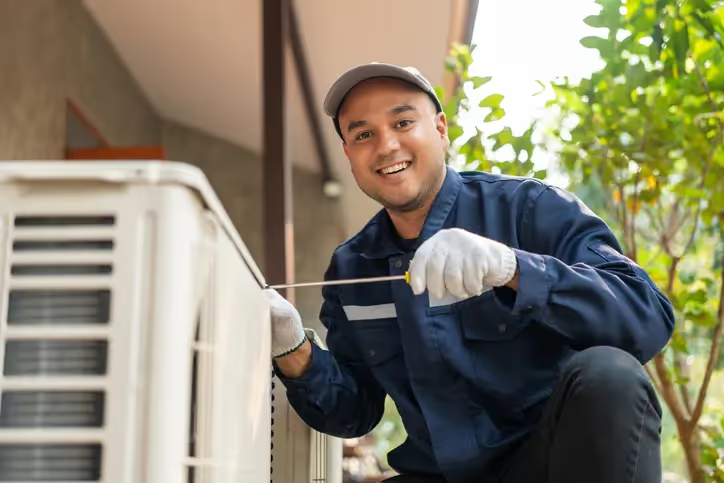
Today’s HVAC Service: Fast, Reliable, Fully Equipped
When you request service, the goal is to minimize downtime and eliminate the root cause of the inefficiency or failure. Modern HVAC systems are complex networks of electrical, mechanical, and airflow components that require specialized attention. Technicians arrive in fully stocked vehicles, prepared to handle a wide array of issues on the spot. This readiness prevents the need for multiple trips and ensures that your home in Evesham returns to a comfortable temperature as quickly as possible.
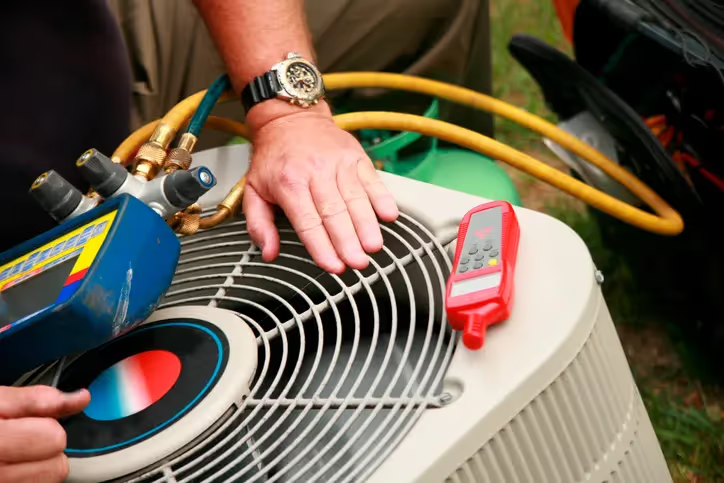
Comprehensive Diagnostics
Effective service begins with accurate diagnostics. A technician does not simply guess at the problem; they utilize advanced tools to measure static pressure, refrigerant levels, electrical voltage, and airflow. This data-driven approach allows for the identification of hidden issues that may not be immediately obvious. For example, a frozen evaporator coil might be the symptom, but the underlying cause could be a refrigerant leak, a failing blower motor, or restricted airflow. By addressing the root cause, repeat breakdowns are prevented.
Cooling System Services
During the peak of summer, cooling systems are under immense strain. High humidity levels in New Jersey require air conditioners to work harder to remove moisture from the air. Services cover all types of cooling units, including central air conditioning, ductless mini-splits, and heat pumps. Common corrective actions include:
- Refrigerant Leak Detection and Recharge: Low refrigerant levels reduce cooling capacity and can damage the compressor. Technicians locate leaks, repair them, and recharge the system to manufacturer specifications.
- Electrical Component Replacement: Capacitors and contactors frequently fail due to heat and age. Replacing these components restores the unit’s ability to start and run reliably.
- Condensate Drain Cleaning: A clogged drain line can trigger safety switches that shut down the system to prevent water damage. Clearing these lines ensures continuous operation.
- Coil Cleaning: Dirty condenser coils cannot release heat effectively, causing the system to overheat and consume excess energy. Deeply cleaning these coils restores efficiency.
Heating System Services
As temperatures drop, the reliability of your furnace or boiler becomes critical. Heating service involves rigorous safety checks, particularly for gas-burning appliances. Technicians inspect heat exchangers for cracks, test ignition systems, and verify proper venting to prevent carbon monoxide hazards. Whether you rely on a gas furnace, an oil boiler, or a heat pump, the service aims to ensure consistent heat distribution throughout the home.
- Ignitor and Sensor Replacement: Faulty flame sensors or hot surface ignitors are common reasons for furnaces failing to fire. These are replaced promptly to restore heat.
- Airflow Optimization: Restricted airflow can cause a furnace to overheat and shut down. Technicians inspect filters and blower motors to ensure proper circulation.
- Thermostat Calibration: Incorrect temperature readings lead to short-cycling and discomfort. Calibrating or upgrading the thermostat ensures the system responds accurately to your settings.
Our Hassle-Free HVAC Installation Process
Replacing an HVAC system is a significant investment in your property. A proper installation is the single most important factor in determining the longevity and efficiency of your new unit. Industry studies suggest that a large percentage of HVAC equipment is improperly installed, leading to higher energy bills and premature failure. We follow a rigorous, standardized process to ensure every installation meets the highest industry standards.
Step 1: Accurate Load Calculation
The process begins with a Manual J load calculation. This engineering calculation determines the exact heating and cooling requirements of your specific home. Factors such as square footage, insulation levels, window orientation, and local climate data are analyzed. This ensures the new unit is neither oversized (which causes short-cycling and humidity issues) nor undersized (which leads to constant running and failure to reach set temperatures).
Step 2: System Selection
Once the load is determined, you are presented with options that fit your specific needs and budget. This includes selecting the appropriate SEER (Seasonal Energy Efficiency Ratio) and AFUE (Annual Fuel Utilization Efficiency) ratings. Higher ratings generally indicate lower operating costs. Options may include single-stage systems for basic reliability, two-stage systems for better temperature control, or modulating systems for maximum efficiency and noise reduction.
Step 3: Professional Removal and Site Prep
On the day of installation, the workspace is prepared to protect your home. Drop cloths are laid down to protect flooring, and the old equipment is disconnected safely. This involves recovering any existing refrigerant according to EPA regulations and disconnecting gas and electrical lines. The old unit is removed and disposed of responsibly.
Step 4: Precise Installation
The new equipment is installed according to the manufacturer's precise specifications. This phase includes several critical technical steps:
- Ductwork Modification: The existing plenum (the transition between the unit and the ductwork) may be modified to ensure smooth airflow and reduced static pressure.
- Line Set Brazing: Refrigerant lines are brazed using nitrogen purging to prevent oxidation inside the pipes, which protects the compressor from contaminants.
- Venting and Drainage: Flue pipes for furnaces are installed to ensure safe exhaust of combustion gases. Condensate drains are piped to appropriate locations to prevent water damage.
- Electrical Connections: High and low-voltage wiring is connected and tested for safety and proper polarity.
Step 5: Commissioning and Testing
The installation is not complete until the system is commissioned. This involves starting the unit and measuring performance metrics. Technicians verify that the refrigerant charge is balanced (using subcooling and superheat methods), check the gas pressure on furnaces, and measure the temperature rise and drop across the coil. This "test drive" confirms the system is operating at peak performance before the crew leaves.
Deciding Between HVAC Repair or Replacement
Homeowners often face the difficult decision of whether to repair a faltering unit or invest in a replacement. Making the right choice depends on a combination of factors, including the age of the system, the cost of repairs, and long-term energy goals. Gibson Heating & Cooling helps you navigate this decision with objective data rather than sales pressure.
The Age of the System
HVAC systems generally have a lifespan of 10 to 15 years for air conditioners and heat pumps, and 15 to 20 years for furnaces. If your equipment is nearing or has surpassed this age range, major components like compressors or heat exchangers are more likely to fail. Investing in expensive repairs for an end-of-life unit often yields diminishing returns, as other parts are likely to break soon after.
The Cost of Repair vs. Replacement Value
A common industry guideline is the "50% Rule." If the cost of the repair approaches 50% of the value of a new system, replacement is usually the wiser financial choice. Additionally, if the cost of the repair multiplied by the age of the unit exceeds $5,000, replacement is recommended. For example, a $500 repair on a 12-year-old unit ($6,000 total) suggests it is time to upgrade.
Energy Efficiency Considerations
Older systems are significantly less efficient than modern counterparts. An air conditioner installed 15 years ago likely has a SEER rating of 10 or less. Modern units start at 13 or 14 SEER and go much higher. Upgrading can result in substantial monthly savings on utility bills, effectively offsetting a portion of the installation cost over time. If your energy bills have been steadily rising despite consistent usage, your system is losing efficiency.
Refrigerant Type
Older air conditioning units utilize R-22 refrigerant (Freon), which has been phased out due to environmental regulations. Supplies of R-22 are limited and extremely expensive. If an older unit develops a refrigerant leak, the cost to recharge it may be prohibitive, making replacement the only logical option. Modern systems use R-410A or newer, eco-friendly refrigerants that are readily available and efficient.
Frequency of Breakdowns
If you find yourself calling for service multiple times a year, the cumulative cost of service calls and parts adds up quickly. Beyond the financial cost, the inconvenience of unreliable heating or cooling affects your quality of life. A new system provides peace of mind and typically comes with a 10-year parts warranty, eliminating repair costs for a decade.
Understanding Evesham’s HVAC Requirements
Operating HVAC equipment in Evesham, NJ, requires specific attention to local climate patterns, building codes, and utility infrastructure. The region experiences a full four-season cycle, meaning systems must be equally capable of handling sub-freezing winters and sweltering, humid summers.
Permitting and Code Compliance
In New Jersey, the replacement of HVAC equipment generally requires a construction permit. This ensures that the installation meets safety standards regarding gas piping, electrical connections, and venting. Navigating the permit process with the local township building department is part of a professional installation service. Compliance ensures that your home insurance remains valid and that you encounter no issues when selling the property in the future.
Managing Humidity
The humid subtropical climate means that air conditioners must do more than just lower the temperature; they must effectively dehumidify the air. If a unit is oversized, it will cool the room too quickly and shut off before it has removed enough moisture, leading to a "clammy" feeling indoors. Proper sizing and the potential use of two-stage equipment are critical for maintaining comfortable humidity levels during New Jersey summers.
Seasonal Maintenance Timing
Given the distinct seasons, timing your maintenance is crucial. Air conditioning tune-ups should occur in early spring before the first heatwave, while furnace maintenance is best scheduled in early autumn. This preemptive approach ensures your system is ready for the heavy workload ahead — join our membership. Furthermore, checking the insulation of outdoor pipes and units is vital to prevent freezing or damage during winter storms.
Rebates and Incentives
New Jersey frequently offers rebates through the Clean Energy Program for homeowners who upgrade to high-efficiency heating and cooling equipment. These financial incentives can significantly reduce the net cost of a new installation. Professional installers can help identify which equipment qualifies for these state rebates and assist with the necessary documentation.
Why Choose Us: Experience and Expertise in Evesham
Selecting a service provider is about finding a partner who understands the technical demands of your home’s infrastructure. The focus is on delivering technical excellence and verifiable results rather than temporary fixes.
Technical Proficiency
Technicians undergo continuous training to stay updated on the latest HVAC technologies, including inverter-driven compressors and smart thermostat integration. This depth of knowledge allows for the diagnosis of complex issues that general handymen or less experienced contractors might miss. Whether it is balancing a complex duct system or troubleshooting a low-voltage electrical short, the expertise is available to solve the problem correctly.
Respect for Your Property
Service involves entering your private space, and that responsibility is taken seriously. Technicians utilize shoe covers and drop cloths to keep work areas clean. After an installation or repair, the area is tidied, and old equipment or debris is removed. The goal is to leave the home in better condition than it was found, with the only evidence of the visit being the improved comfort of the indoor environment.
Transparent Communication
You will never be left in the dark regarding the status of your system. Findings are explained clearly, outlining the available options for repair or replacement without utilizing confusing jargon. Written estimates are provided before any work begins, ensuring there are no surprise costs on the final invoice. This transparency builds trust and ensures you can make informed decisions about your home’s mechanical systems.
Commitment to Safety
Safety is the non-negotiable priority. From handling high-voltage electricity to working with combustible gases, strict safety protocols are followed on every job. This protects your family, your home, and the technicians performing the work. Regular audits of tools and procedures ensure that every service call adheres to the highest safety standards in the industry.
Restore Comfort Today with Trusted Local HVAC Experts
Ensure your home remains comfortable and safe throughout the year. For reliable repairs, precise installations, and honest assessments, contact Gibson Heating & Cooling to schedule your HVAC service today.
our process
Our heating Process Section
01
Thorough Diagnosis/Consultation
We start with a comprehensive assessment of your needs.
02
Upfront & Honest Pricing
We provide a clear, detailed estimate before any work begins.
03
Professional
Schedule
Our certified technicians perform the work to the highest standards.
04
Final Inspection & Clean-up
We ensure everything is working perfectly and leave your home clean.
testimonials
The Customer Experience:
Where Comfort Meets Reliability.
Trusted by Homeowners Across Burlington County.
