
Furnace Repair in Berlin, NJ

Is Your Furnace Ready for the Winter Chill?
Waking up to a cold home is more than an inconvenience; it's a disruption to your safety and comfort, especially when temperatures in Berlin, NJ drop below freezing. When your furnace fails, you need fast, reliable help to restore warmth and peace of mind, so contact us immediately to schedule a diagnostic or inquire about our financing options for major repairs. Gibson Heating & Cooling understands that a functional heating system is a necessity, not a luxury, during a New Jersey winter:
- Rapid response with 24/7 emergency service availability.
- Professional repairs that ensure your furnace runs efficiently all season long.
- Transparent pricing and warranties that protect your investment.
All repairs are fully licensed, insured, and backed by a satisfaction guarantee.
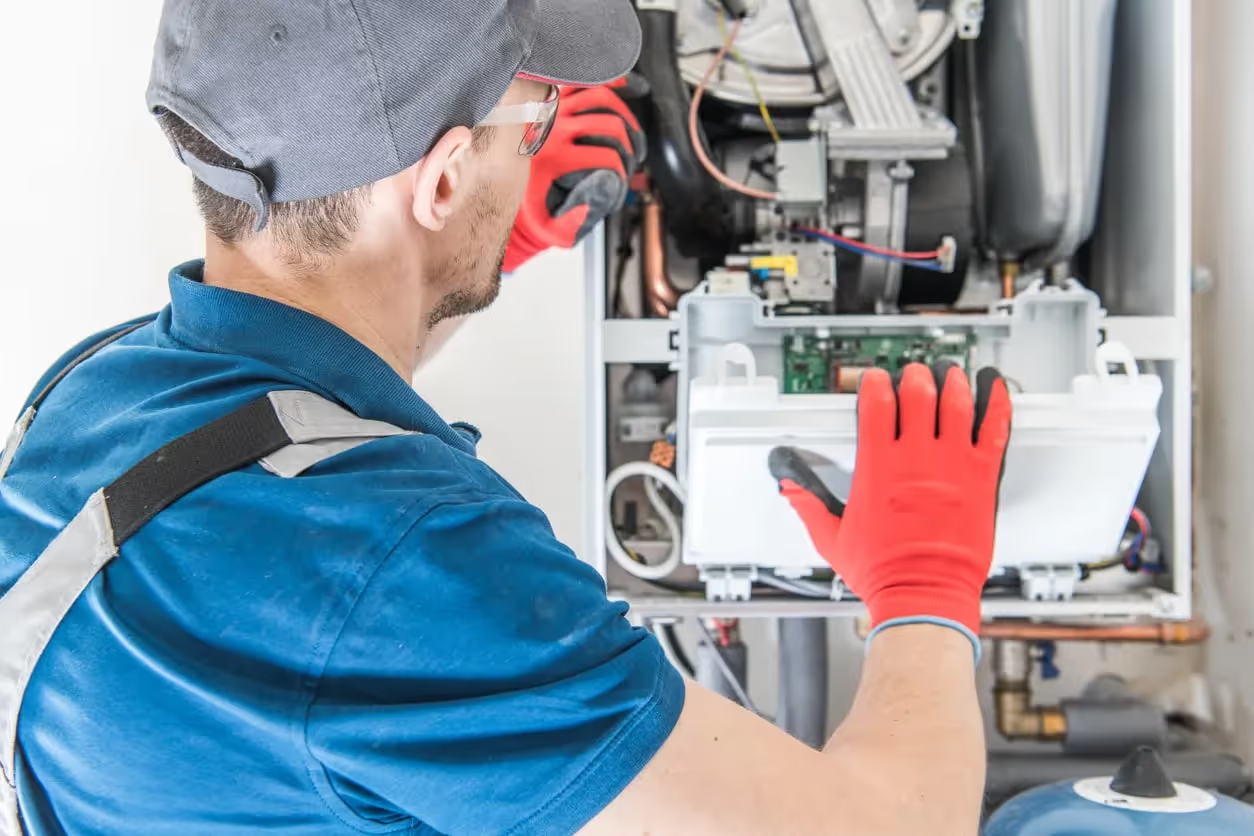
Comprehensive Diagnostics and Repair Solutions
When your heating system falters, the immediate priority is identifying the root cause accurately to prevent recurring issues. A furnace is a complex machine involving electrical components, gas combustion, and airflow systems. A breakdown in one area often triggers safety mechanisms that shut the whole system down. Professional intervention focuses on isolating the specific failure point, whether it is an airflow restriction, an ignition failure, or a compromised heat exchanger.
Residents in Berlin often encounter specific issues due to the wear and tear caused by long, hard winters. The goal of a service visit is not just to patch the problem but to restore the unit to its manufacturer specifications. This ensures that the heat reaching your living spaces is consistent and that the unit operates safely without leaking carbon monoxide or wasting energy.
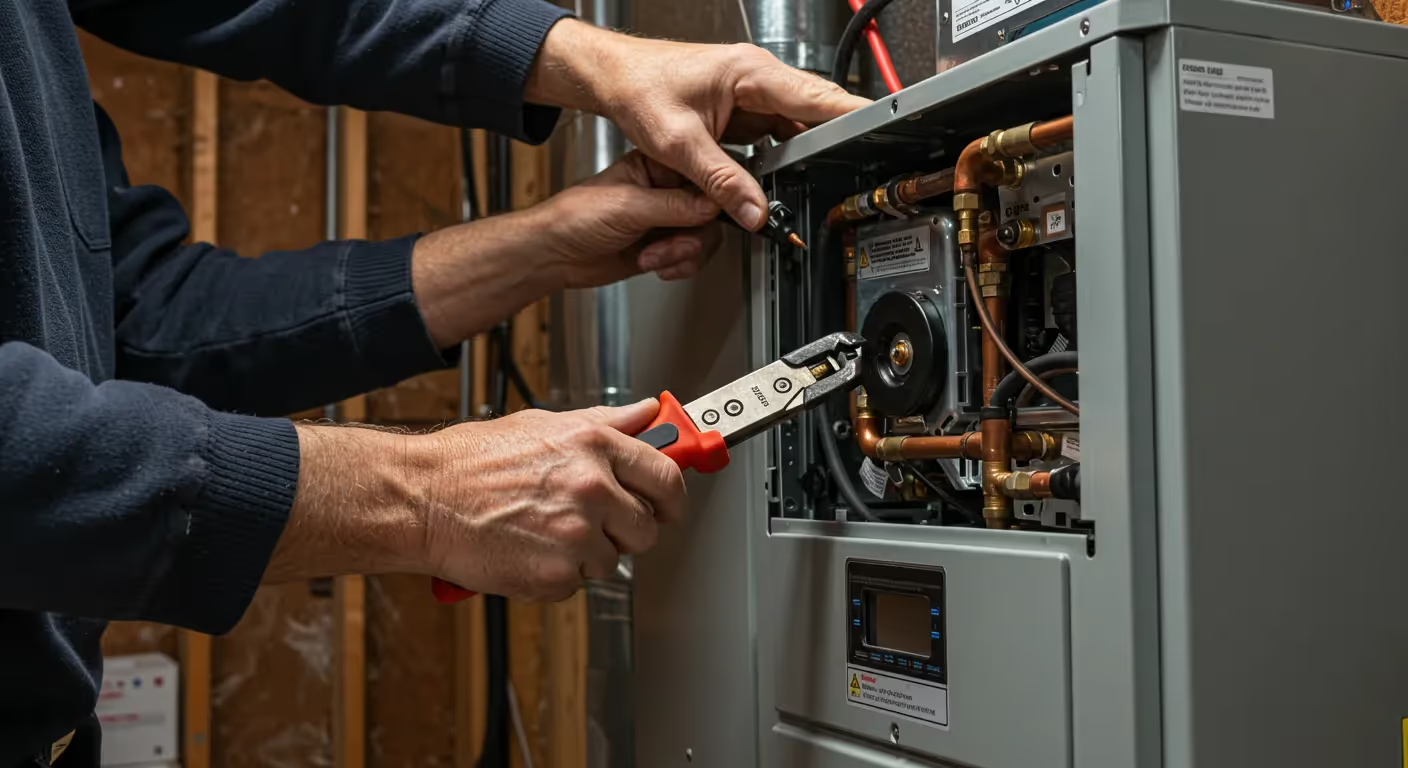
Common Furnace Failures We Resolve
Furnaces consist of several interlinked components. If one fails, the entire heating cycle is interrupted:
- Ignition System Failures: Whether your system uses a hot surface ignitor or a pilot light, ignition issues are among the most common reasons a furnace stops working. If the burners do not ignite, the system locks out for safety.
- Thermostat Communication Errors: Sometimes the furnace is operational, but it is not receiving the signal to turn on. This can stem from wiring issues, calibration problems, or dead batteries in the control unit.
- Blower Motor Malfunctions: The blower moves heated air through your ductwork. If the motor seizes or the capacitor fails, you may hear a humming noise, but no air will circulate.
- Dirty or Clogged Filters: While simple, a clogged filter restricts airflow, causing the heat exchanger to overheat and the limit switch to trip, shutting down the furnace to prevent fire hazards.
- Flame Sensor Issues: This safety device detects if a flame is present. If it becomes coated in carbon or soot, it will shut the gas valve off immediately after ignition to prevent gas leaks.
The Importance of Safety Inspections
Every repair visit includes a rigorous safety inspection. Because gas furnaces involve combustion, ensuring that the exhaust flue is clear and the heat exchanger is intact is critical. A cracked heat exchanger can allow exhaust gases to mix with the breathing air in your home. Technicians verify that all safety switches are functioning correctly and that the gas pressure is set to the proper water column inches for optimal burning.
The Furnace Repair Process: Step-by-Step
Restoring heat to your home follows a structured, logical process designed to minimize downtime and maximize repair quality. Gibson Heating & Cooling technicians arrive with fully stocked vehicles, aiming to resolve the vast majority of heating issues in a single visit. The process eliminates guesswork, utilizing advanced diagnostic tools to pinpoint electrical and mechanical faults:
- Initial Assessment and Safety Check: Upon arrival, the technician assesses the immediate environment. This involves checking the thermostat settings, inspecting the breaker panel, and testing the emergency shut-off switches.
- System Diagnostics: Using multimeters and manometers, the technician tests the electrical sequence of operation. They verify that the draft inducer motor starts, the pressure switch closes, the ignitor glows, and the gas valve opens. This step-by-step verification highlights exactly where the failure occurs.
- Clear Explanation and Quote: Once the issue is identified, you receive a detailed explanation of the problem. You are presented with the repair options and a flat-rate price before any work begins. There are no surprise fees after the fact.
- Execution of Repairs: The technician proceeds with the approved repair, replacing faulty components with high-quality OEM or equivalent parts. This may involve cleaning flame sensors, replacing the control board, or swapping out a seized motor.
- System Testing and Calibration: After the part is replaced, the furnace is not just turned on; it is tested. The technician measures the temperature rise (the difference between supply and return air temperature) to ensure it falls within the manufacturer’s rating.
- Final Cleanup and Report: The workspace is left clean. You receive a digital or physical report detailing the work performed, the parts used, and any recommendations for future maintenance.
Repair vs. Replace: Making the Financial Decision
Homeowners often face the difficult decision of whether to invest in a repair or opt for a full system replacement. This decision depends on several variables, including the age of the unit, the cost of the repair, and the future reliability of the system. While the goal is always to repair when feasible, there are mathematical and practical thresholds where replacement becomes the more prudent financial choice.
The 50% Rule and Age Considerations
A standard rule of thumb in the HVAC industry is the "50% Rule." If the cost of the repair approaches 50% of the value of a new system, replacement is generally recommended. Additionally, the average lifespan of a gas furnace is between 15 and 20 years:
- Units Under 10 Years Old: Repair is almost always the right choice unless the unit was undersized or improperly installed originally. Warranties often cover parts for units in this age range.
- Units 10 to 15 Years Old: This is the "gray area." If the repair is minor (like a sensor or capacitor), repair is viable. If a major component like a heat exchanger or compressor fails, replacement should be considered.
- Units Over 15 Years Old: Efficiency has likely degraded significantly. Even if repaired, an older unit will consume more fuel than a modern high-efficiency model. Replacement offers long-term savings on utility bills. — view our current promotions.
Frequency of Breakdowns
If you find yourself calling for repairs multiple times in a single winter, the cumulative cost of these service calls will quickly outpace the cost of a monthly payment on a new system. A furnace that breaks down frequently is signaling that multiple components are reaching the end of their service life simultaneously.
Energy Efficiency and Comfort
Modern furnaces have higher AFUE (Annual Fuel Utilization Efficiency) ratings. An older unit might operate at 70% or 80% efficiency, meaning 20-30 cents of every dollar you spend on gas is going up the flue pipe. upgrading to a 90%+ efficiency unit can drastically reduce heating costs in the cold Berlin climate. Furthermore, older units often struggle to maintain even temperatures, leading to hot and cold spots throughout the house.
Local Considerations for Heating in Berlin, NJ
Operating a furnace in Camden County requires attention to specific regional factors. The climate here features freezing winters with significant snowfall and humidity fluctuations. These environmental conditions exert specific pressures on heating infrastructure that generic advice often overlooks.
Weather Patterns and System Stress
The transition from autumn to winter in this region can be abrupt. Systems that sit idle for months are suddenly tasked with operating at full capacity. This "cold start" shock is when most electrical components fail. Furthermore, the freezing temperatures mean that a furnace failure is not just uncomfortable—it is a risk to your home's plumbing. If a home loses heat during a deep freeze, pipes can burst, causing catastrophic water damage. This reality drives the urgency for rapid repair services in the area.
Utility and Permit Requirements
When repairs escalate to the level of major component replacement or full system swaps, local regulations come into play:
- Permitting: Major modifications to gas piping or venting systems may require permits to ensure compliance with New Jersey building codes. Professional service providers handle the logistics of these requirements, ensuring all work is code-compliant.
- Venting Guidelines: Local codes dictate specific clearances for exhaust vents to prevent carbon monoxide re-entry, especially in areas prone to snowdrifts which can block low-hanging vents.
- Utility Coordination: Issues related to the gas meter or line pressure often require coordination with the local gas utility provider. An experienced contractor knows how to differentiate between a furnace problem and a supply-side issue.
Humidity Control
New Jersey winters can be surprisingly dry indoors due to the running of the furnace, which strips moisture from the air. Conversely, damp basements can cause rust and corrosion on furnace cabinets and electronics. A comprehensive repair approach considers the humidity levels, often recommending humidifier pads be changed or checking for condensation leaks in high-efficiency units that produce water as a byproduct of combustion.
Why Professional Execution Matters
The difference between a quick fix and a lasting solution lies in the expertise of the technician. Modern heating systems are sophisticated pieces of technology that integrate complex circuit boards with volatile fuels. Attempting DIY repairs or relying on general handymen often leads to misdiagnosis, voided warranties, and safety hazards.
Specialized Training and Tooling
Professional technicians undergo continuous training to keep up with the latest furnace models and diagnostic techniques. They utilize combustion analyzers to measure exhaust gases with precision, ensuring the fuel-to-air ratio is optimized. This level of tuning is impossible without professional-grade equipment:
- Warranty Preservation: Most manufacturer warranties require proof that repairs and maintenance were performed by a licensed HVAC professional. Unauthorized repairs can instantly void these protections, leaving you liable for future costs.
- Access to Parts: Professionals have access to supply houses with OEM (Original Equipment Manufacturer) parts. This ensures that the replacement part is designed specifically for your make and model, rather than a "universal" part that may not fit or perform correctly.
- Long-Term Reliability: A professional repair focuses on the longevity of the system. By checking associated components—such as the ductwork and thermostat—technicians ensure that the repair holds up against the demands of the entire winter season.
Respect for Your Property
Service goes beyond technical repair. It involves treating your home with respect. This includes wearing shoe covers to protect flooring, using drop cloths to catch debris, and cleaning up thoroughly after the job is done. The goal is to leave the home exactly as it was found, simply warmer and safer.
When the temperature drops and your furnace stops working, you need a partner who values speed, accuracy, and transparency. A cold house in the middle of winter is a problem that requires an immediate, professional solution. From accurate diagnostics to fair pricing and lasting repairs, the focus remains on restoring your comfort as quickly as possible. Don't let a heating breakdown compromise your safety or comfort this season.
Take Control of Your Winter Comfort Today
When dependable heat matters most, proactive service makes all the difference. Partner with Gibson Heating & Cooling to ensure your furnace performs reliably through every cold snap, with expert care that prioritizes safety, efficiency, and long-term comfort. Acting now helps prevent unexpected breakdowns and keeps your home protected when temperatures fall.
Restore warmth to your home today—schedule your expert furnace repair now.
our process
Our heating Process Section
01
Thorough Diagnosis/Consultation
We start with a comprehensive assessment of your needs.
02
Upfront & Honest Pricing
We provide a clear, detailed estimate before any work begins.
03
Professional
Schedule
Our certified technicians perform the work to the highest standards.
04
Final Inspection & Clean-up
We ensure everything is working perfectly and leave your home clean.
testimonials
The Customer Experience:
Where Comfort Meets Reliability.
Trusted by Homeowners Across Burlington County.
