
AC Repair in Medford, NJ

Is Your Air Conditioning System Blowing Warm Air or Making Noise?
If your air conditioner has stopped cooling effectively on a sweltering Medford, NJ afternoon, the rising indoor temperature can quickly turn from an inconvenience into a health concern. Call us now to schedule an immediate diagnostic visit or to discuss financing options for extensive system repairs.
When the humidity spikes and your AC unit fails to keep up, you need a solution that goes beyond a temporary patch. A malfunctioning system not only impacts your comfort but can also drive up energy bills significantly as the unit struggles to reach the set temperature. Gibson Heating & Cooling provides the technical expertise required to identify the root cause of the breakdown and restore your home’s climate control efficiently:
- Restore your cooling system to optimal performance immediately to combat the summer heat.
- Eliminate safety hazards such as electrical shorts or refrigerant leaks with professional intervention.
- Extend the operational lifespan of your existing HVAC equipment through precise, targeted repairs.
All repair services are performed by licensed technicians and come with clear warranty terms for parts and labor.
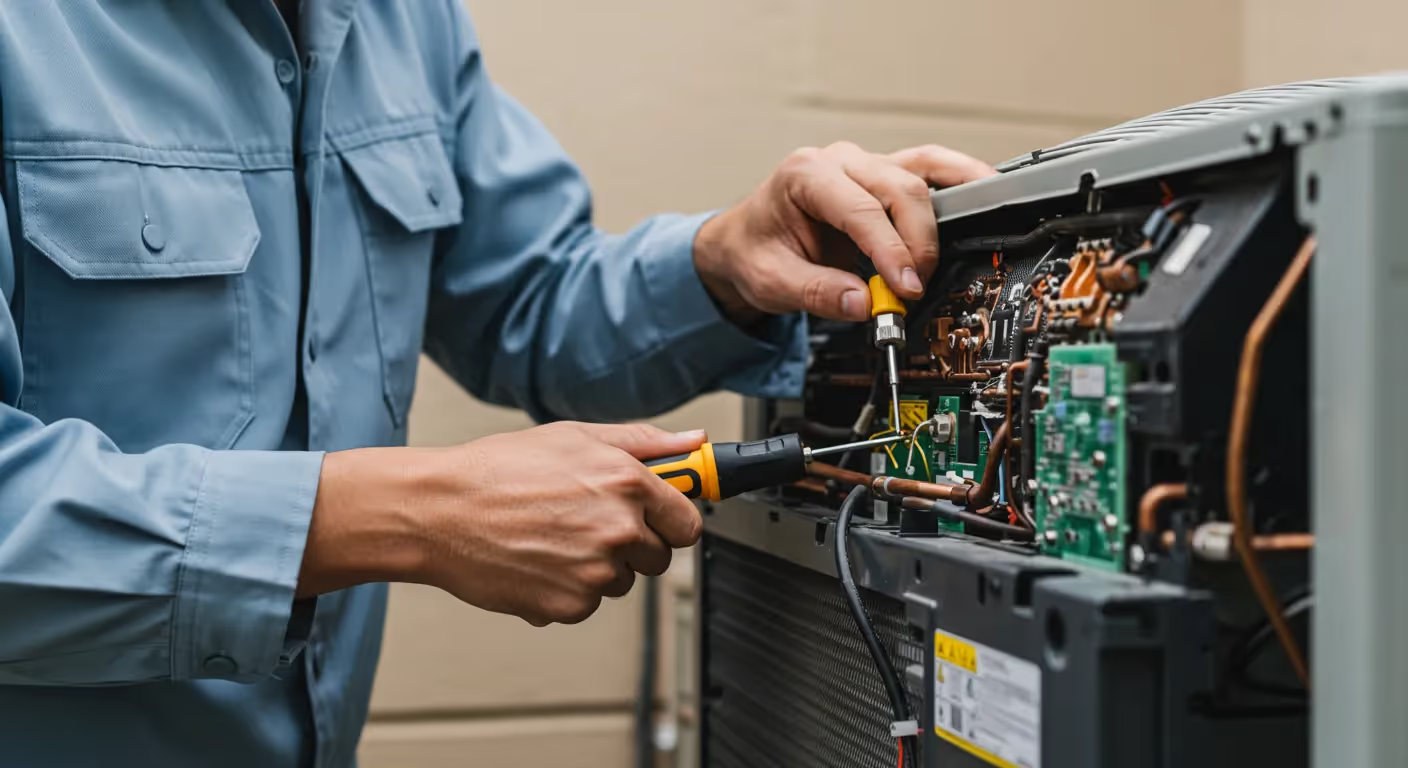
Comprehensive AC Repair: What to Expect From a Service Visit
When a technician arrives at your home, the objective is to provide a complete assessment of the cooling system rather than just addressing the most visible symptom. Many air conditioning failures in the Medford area are multifaceted; a frozen coil might indicate a refrigerant leak, an airflow restriction, or a blower motor failure. A professional service call begins with a systematic evaluation of the entire HVAC unit to ensure the diagnosis is accurate and the proposed repair will last.
Upon arrival, the technician will evaluate the thermostat’s communication with the condenser and air handler. This ensures that the control signals are being sent and received correctly. Following the control check, the focus shifts to the mechanical and electrical components. This includes testing capacitors for proper microfarad readings, checking the compressor’s amp draw against the manufacturer's specifications, and inspecting the contactor for pitting or burning.
The scope of a standard repair visit generally includes the identification of the failed component, a transparent explanation of why it failed, and an upfront quote for the necessary parts and labor. Most service trucks are stocked with universal parts such as capacitors, hard start kits, contactors, and fan motors, allowing many common repairs to be completed during the initial visit. If a specialized OEM part is required, the procurement timeline and return visit schedule are established immediately to minimize downtime.
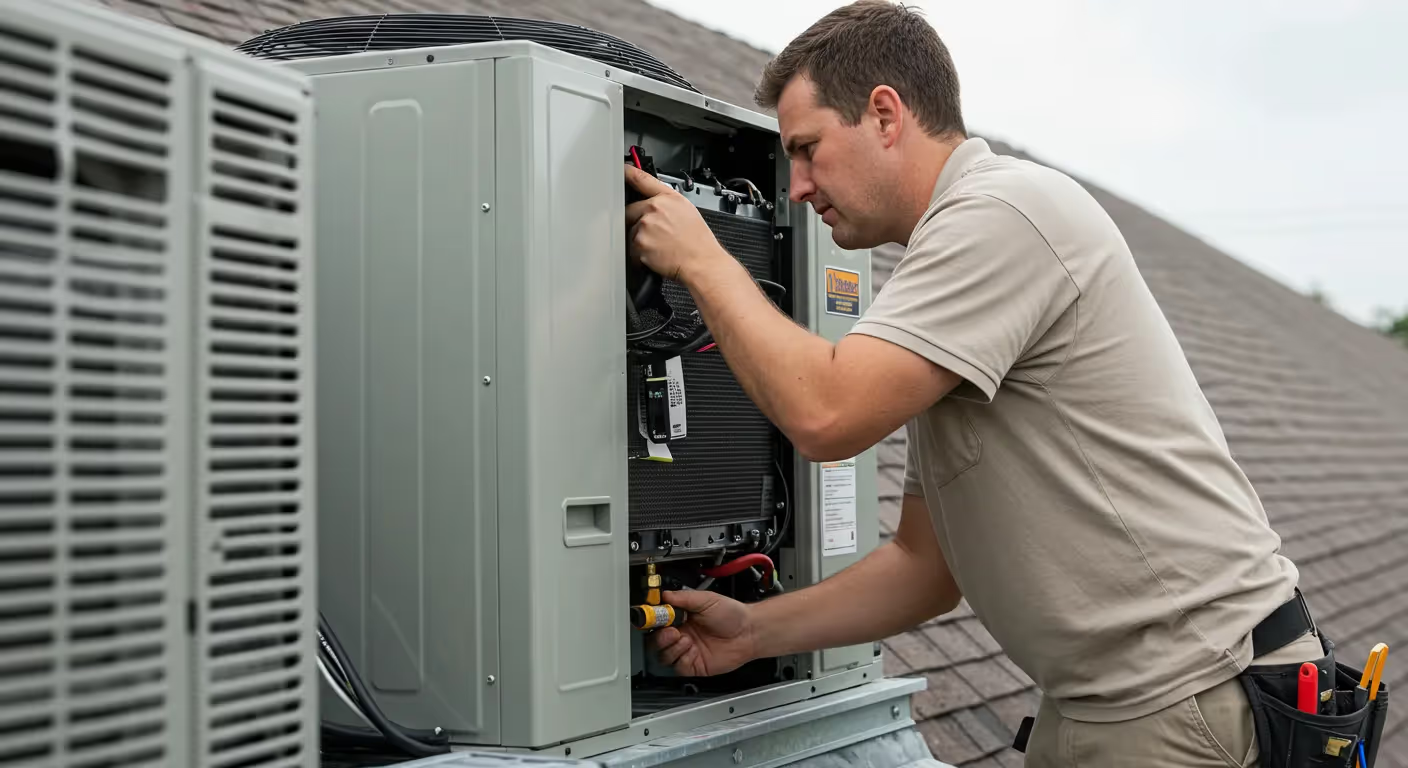
The Troubleshooting and Repair Process
Effective air conditioning repair relies on a methodical approach to isolate issues within the refrigerant cycle or the electrical system. Professional technicians follow a strict protocol to ensure safety and system efficiency.
Diagnostic Phase
- The process starts with a discussion about the symptoms noticed, such as strange noises, odd smells, or specific rooms that are not cooling.
- Gauges are attached to the service ports to measure superheat and subcooling levels, which indicate whether the refrigerant charge is correct or if there is a restriction in the lines.
- Electrical components are tested with a multimeter to ensure voltage is within range and that there are no short circuits or grounded wires.
- The condensate drain line is inspected for clogs, which is a common cause of water damage and system shutoffs due to float switch activation.
Execution of Repairs
- Once the issue is identified and the repair is authorized, the system power is disconnected to ensure safety.
- Faulty components, such as a seized fan motor or a blown capacitor, are removed and replaced with high-quality equivalents.
- If a refrigerant leak is detected, the technician will locate the leak source, braze the line set if necessary, and recharge the system to the factory-specified weight.
- Electrical connections are tightened and secured to prevent future arcing or overheating.
System Validation and Testing
- After the new parts are installed, the system is restarted and monitored.
- The technician measures the temperature split (delta T) between the return air and supply air to verify that the unit is cooling effectively.
- Amp draws are re-checked to ensure the compressor and fans are running efficiently under load.
- The thermostat is cycled to ensure the unit turns on and off at the correct setpoints without short-cycling.
Deciding Between Repair and System Replacement
Homeowners often face the difficult decision of whether to invest in repairing an aging unit or to opt for a full system replacement. Making the right financial choice requires analyzing the age of the system, the cost of the current repair, and the recent history of breakdowns.
The 50% Rule
A common industry standard for decision-making is the 50% rule. If the cost of the repair approaches or exceeds 50% of the value of the system (or the cost of a new unit), replacement is generally the more prudent financial path. Continuing to dump money into a depreciated asset often leads to diminishing returns, as other components are likely to fail soon after.
The "Multiply by Age" Formula
Another helpful metric involves multiplying the age of the unit in years by the estimated cost of the repair. If the total exceeds $5,000, replacement is typically recommended. For example, a 12-year-old unit requiring a $500 repair yields a score of 6,000, suggesting that investing in a new, more efficient system is a better use of funds than patching the old one.
Refrigerant Considerations
For older systems that utilize R-22 refrigerant, repair costs can be exorbitant due to the scarcity and environmental regulations surrounding this phased-out coolant. If your system relies on R-22 and has developed a leak, the cost to recharge it may rival the down payment on a modern, energy-efficient system that uses R-410A or newer refrigerants.
Efficiency and Utility Bills
Even if an older unit can be repaired, its energy efficiency (SEER rating) remains unchanged. Modern systems are significantly more efficient than those manufactured just a decade ago. If your current energy bills are high, calculating the potential monthly savings of a new system can help justify the switch from repair to replacement.
Local Climate Factors and Regulatory Considerations
Operating an air conditioning system in Medford, NJ, presents specific challenges due to the region's distinct seasonality. The summers here are not just hot; they are often incredibly humid. This places a heavy latent load on AC systems, meaning the unit must work hard to remove moisture from the air, not just lower the temperature. A system that is short-cycling or low on refrigerant will fail to dehumidify properly, leading to a clammy indoor environment and potential mold growth issues.
Permitting and Code Compliance
While minor repairs such as swapping a capacitor or cleaning a coil typically do not require municipal involvement, major repairs involving structural changes, electrical panel upgrades, or full system replacements must adhere to local building codes. Adhering to these regulations ensures the safety of the household and protects the resale value of the home. Professional technicians are familiar with the specific requirements in the area and ensure that all work performed meets or exceeds safety standards.
Seasonal Strain and Maintenance
The transition from cold, snowy winters to humid summers can be tough on outdoor condenser units. Debris from winter storms, such as leaves and branches, can accumulate inside the unit, restricting airflow and causing the compressor to overheat when the first heatwave strikes. Furthermore, the freeze-thaw cycle can shift the condenser pad or loosen electrical connections. Understanding these local environmental stressors allows for more proactive troubleshooting and repair strategies that prevent mid-season failures — explore our memberships for regular maintenance.
Utility Rebates and Incentives
In New Jersey, various programs encourage energy efficiency. While these often apply to new installations, certain high-efficiency upgrades or specific repair scenarios involving smart thermostats may qualify for incentives. Being aware of the NJ Clean Energy Program and other local utility offers can help offset costs when substantial work is required.
The Importance of Professional Technical Expertise
Attempting DIY repairs on high-voltage HVAC equipment carries significant risks, including electrocution, voiding manufacturer warranties, and causing irreversible damage to the compressor. Professional repair services provide the assurance that the job is done correctly, safely, and in accordance with manufacturer specifications.
Advanced Diagnostic Tools
Professional technicians utilize tools that are not typically available to the average homeowner. Electronic leak detectors can pinpoint microscopic refrigerant leaks that are invisible to the naked eye. Manometer testing measures static pressure within the ductwork to identify airflow restrictions that a simple filter change cannot fix. Thermal imaging cameras can detect hot spots in electrical panels or insulation gaps that contribute to system inefficiency.
Stocked Service Vehicles
Efficiency in repair is largely strictly tied to parts availability. A service provider with a well-stocked fleet can resolve the majority of cooling issues in a single trip. This logistics capability reduces the duration of discomfort for the homeowner and eliminates the frustration of waiting days for a simple part to arrive.
Respect for Property
Entering a client’s home to perform work requires a high level of professionalism. This includes using drop cloths to protect flooring, wearing shoe covers, and cleaning up the workspace after the repair is completed. The goal is to leave the home exactly as it was found, with the only difference being a functioning air conditioning system.
Gibson Heating & Cooling maintains a rigorous training schedule for all technicians to ensure they remain current with the latest HVAC technologies and repair techniques. This commitment to continuous education means that whether the system is a 15-year-old single-stage unit or a modern variable-speed communicating system, the diagnostic approach is accurate and effective.
Restoring Comfort and Efficiency
When an air conditioner fails, the priority is restoring a safe and comfortable environment as quickly as possible. Ignoring minor irregularities such as fluctuating temperatures, strange sounds, or increased humidity levels can lead to catastrophic system failure during the peak of summer. Timely professional intervention resolves immediate cooling issues and helps prevent expensive breakdowns in the future.
By choosing a dedicated service provider, homeowners gain access to reliable diagnostics, transparent pricing, and quality workmanship that stands the test of time. Whether the solution involves a simple component replacement or a more complex refrigerant repair, the focus remains on delivering cool, consistent air to every room in the house.
Don't let a broken AC ruin your summer comfort; contact us to schedule your repair service now.
our process
Our heating Process Section
01
Thorough Diagnosis/Consultation
We start with a comprehensive assessment of your needs.
02
Upfront & Honest Pricing
We provide a clear, detailed estimate before any work begins.
03
Professional
Schedule
Our certified technicians perform the work to the highest standards.
04
Final Inspection & Clean-up
We ensure everything is working perfectly and leave your home clean.
testimonials
The Customer Experience:
Where Comfort Meets Reliability.
Trusted by Homeowners Across Burlington County.
