
AC Installation in Moorestown, NJ

Is Your Home Losing the Battle Against Summer Heat and Humidity?
Experience unbearable humidity with a non-functioning AC? At Gibson Heating & Cooling, we understand your urgency and are here to offer reliable and swift AC installation services to residents in Moorestown, NJ. Call us today to secure your comfort or contact us online to discuss financing options.
When the temperature rises and humidity levels spike, a broken air conditioner shifts from a minor inconvenience to a health and safety concern. We provide immediate solutions to restore your indoor climate.
- Rapid same-day installation to ensure your home returns to comfort quickly.
- Durable and efficient units, with full warranties and expert setup.
- 24/7 emergency services available — we're here when you need us most.
Licensed and fully insured installations with flexible financing options to fit your budget.
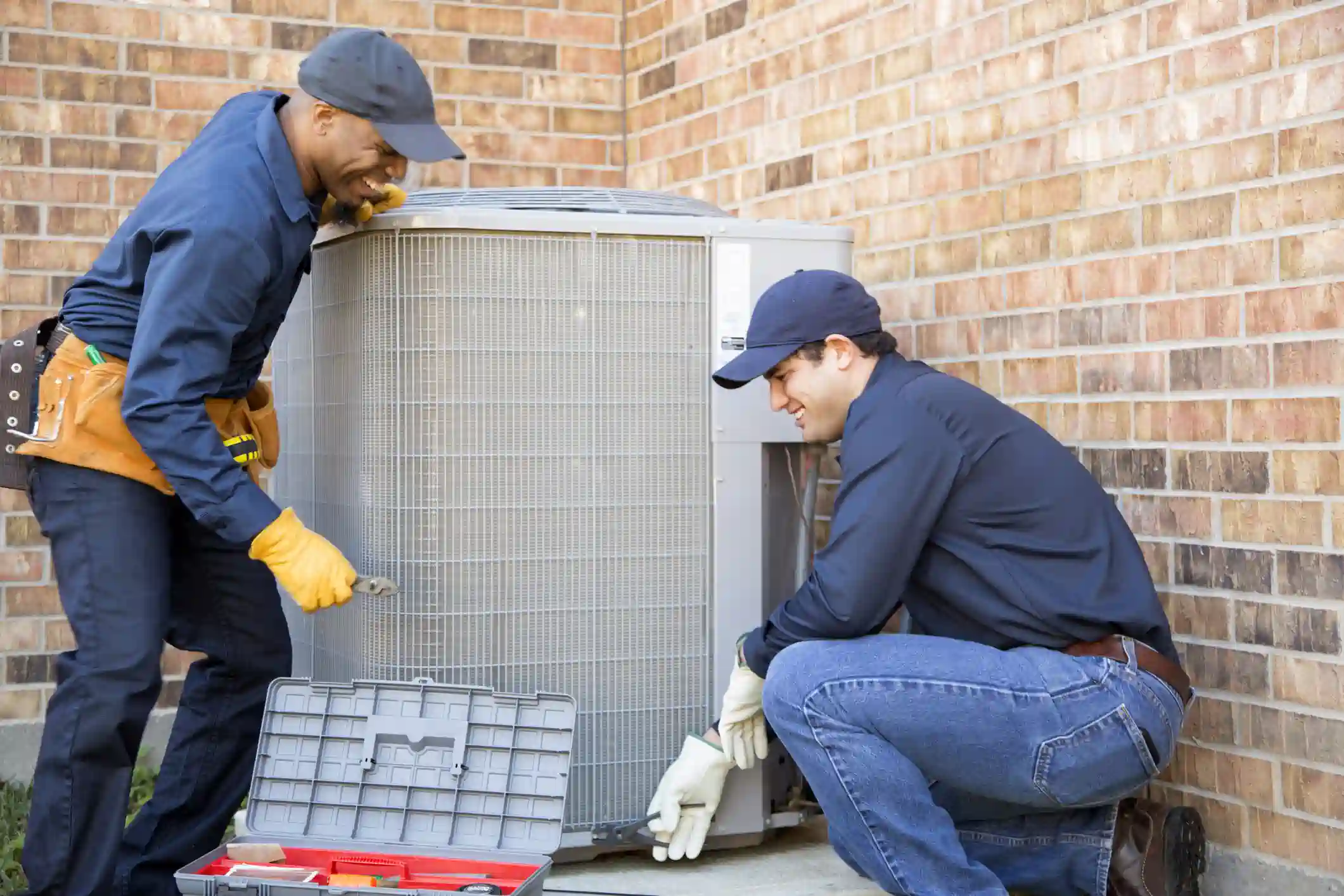
What You Get With a Professional Installation
Investing in a new air conditioning system is about more than just buying a unit; it is about securing a complete climate control solution for your property. When you schedule an installation, you are paying for a comprehensive service that covers every technical aspect required to bring your home up to code and down to a comfortable temperature.
We handle the entire logistical and mechanical scope of the project. This begins with the safe removal and disposal of your existing equipment, ensuring all refrigerants are captured according to environmental regulations. The service includes the delivery of the new high-efficiency unit, all necessary site preparation, and the fabrication or modification of transition ductwork to ensure seamless airflow.
Your installation also includes a thorough inspection of the existing refrigerant lines, electrical connections, and condensate drain systems. If the existing infrastructure is outdated or worn, we replace it to prevent future failures. You receive a fully commissioned system, tested for airflow balance, pressure verification, and thermostat integration. We verify that the system reaches the manufacturer's specified SEER (Seasonal Energy Efficiency Ratio) performance levels before we leave the premises.

How the Installation Process Works
A high-quality AC installation follows a rigorous, step-by-step protocol to ensure longevity and efficiency. We do not skip steps or cut corners.
- Site Assessment and Load Calculation: The process begins with a precise evaluation of your home's cooling needs. We perform a Manual J load calculation, which factors in square footage, insulation levels, window orientation, and local climate data. This ensures the unit is neither undersized (which fails to cool) nor oversized (which causes short-cycling and humidity issues).
- Area Preparation and Safety: Technicians lay down drop cloths and wear protective shoe covers to keep your home clean. We disconnect the main power supply to the HVAC system to ensure electrical safety during the extraction of the old unit.
- Removal of Old Equipment: The old condenser (outdoor unit) and evaporator coil (indoor unit) are disconnected. We cut the refrigerant lines and remove the equipment carefully to avoid damaging your landscaping or interior utility rooms.
- Positioning the New System: We place a new, leveled composite pad for the outdoor condenser to sit on, reducing vibration and noise. The indoor coil is fitted precisely onto your furnace or air handler.
- Line Set and Electrical Connection: We braze the refrigerant lines using nitrogen purging techniques to prevent oxidation inside the copper tubing. This is a critical step for modern refrigerants. We then connect the high-voltage and low-voltage wiring, ensuring all connections meet local electrical codes.
- System Vacuum and Charge: Before releasing refrigerant, we pull a deep vacuum on the lines to remove all moisture and non-condensables. Once the vacuum holds, we release the refrigerant and fine-tune the charge based on subcooling and superheat measurements.
- Final Testing and Walkthrough: The system is powered on and monitored. We check the temperature drop across the coil and verify thermostat response. Finally, we walk you through the operation of your new system and explain filter maintenance.
When Replacement Beats Repair
Homeowners often struggle with the decision to repair a failing unit or invest in a replacement. From a financial and operational standpoint, there are clear markers indicating when replacement is the smarter path.
- The 50% Rule: If the cost of the repair approaches 50% of the value of a new system, replacement is the more improved financial decision. Investing heavily in an old unit often leads to "throwing good money after bad" as other components begin to fail shortly after.
- System Age: Air conditioners generally last between 10 and 15 years. If your unit is over 10 years old and requires a major part—such as a compressor or fan motor—replacement is usually recommended. Older units operate at much lower efficiency levels, meaning you are paying more monthly for less cooling power.
- Refrigerant Type: If your current system utilizes R-22 (Freon), it is obsolete. R-22 is no longer produced, making repairs involving refrigerant recharge exorbitantly expensive. Upgrading to a system that uses R-410A or newer refrigerants is necessary for long-term viability.
- Frequency of Breakdowns: If you have required repairs more than twice in the last two years, the system has likely reached the end of its reliable lifespan. Constant breakdowns indicate internal wear that a single repair cannot permanently fix.
- Rising Energy Bills: A sudden or gradual increase in cooling costs often signals that the compressor or coils are degrading. New systems can lower cooling bills significantly, helping offset the cost of installation over time — view current promotions.
Critical Local Considerations for Installation
Installing an AC system in this region requires adherence to specific regulations and an understanding of the local infrastructure. Moorestown has specific requirements that influence how installations are conducted.
- Permitting and Inspections: New AC installations generally require a construction permit. This ensures the installation meets safety standards regarding electrical load and mechanical integrity. We handle the application and management of these permits, ensuring your project is compliant with municipal codes.
- Electrical Upgrades: Many older homes in the area may not have the electrical panel capacity to support modern, high-output air conditioning systems. During our assessment, we verify if your breaker panel requires an upgrade or if a dedicated circuit needs to be run to the outdoor unit.
- Humidity Control: Given the regional climate, humidity control is as important as temperature control. We often recommend two-stage or variable-speed compressors for local homes. These units run for longer periods at lower speeds, which is far more effective at pulling moisture out of the air than standard single-stage units.
- Historical Home Limitations: For properties with historical significance or older architecture that lacks ductwork, we assess the feasibility of high-velocity systems or ductless configurations to preserve the home’s aesthetic integrity while providing modern comfort.
Understanding Efficiency Ratings (SEER2)
When selecting a new unit, understanding efficiency ratings is vital for calculating return on investment. The Seasonal Energy Efficiency Ratio (SEER) measures how much energy the AC uses to provide a specific cooling output.
- Minimum Standards: Federal regulations have updated the minimum efficiency requirements (transitioning to SEER2). We install units that meet or exceed these new, stricter Department of Energy standards.
- Higher SEER, Lower Bills: While a higher SEER unit may have a higher upfront cost, it consumes less electricity. Moving from a 13 SEER unit to a 20 SEER unit can reduce energy consumption by a substantial percentage.
- Variable Speed Technology: High-efficiency units often utilize variable speed compressors. Unlike standard units that run at 100% capacity or 0%, variable speed units adjust their output in tiny increments. This maintains a consistent temperature without the energy spikes associated with starting and stopping the system.
The Role of Ductwork in AC Performance
A brand-new air conditioner cannot perform effectively if the ductwork delivering the air is compromised. Gibson Heating & Cooling evaluates your air distribution system as part of the installation scope.
- Leakage and Sealing: Leaky ducts can result in a loss of up to 30% of conditioned air before it ever reaches your living space. We check for disconnects, tears in flex duct, and unsealed joints.
- Sizing and Airflow: If the existing ducts are too small for the new system's airflow requirements, the system will suffer from high static pressure. This strains the blower motor and can lead to premature failure. We modify plenums and transitions to ensure the system "breathes" correctly.
- Insulation: Ducts running through unconditioned spaces, such as attics or crawlspaces, must be properly insulated. Without insulation, the cool air inside the ducts warms up before reaching your vents, forcing the AC to run longer to satisfy the thermostat.
Types of Systems We Install
We match the equipment to the specific needs of your home layout and lifestyle.
- Central Air Conditioning: The standard solution for homes with existing ductwork. These systems offer whole-home filtration and uniform cooling. We install split systems where the condenser is outside and the evaporator coil is attached to the furnace or air handler inside.
- Ductless Mini-Splits: Ideal for additions, garages, or homes without ductwork. These systems allow for "zoning," meaning you can control the temperature in individual rooms independently. They are highly efficient and require minimal construction to install.
- Heat Pumps: A heat pump looks like a standard AC but can reverse its operation to provide heat in the winter. In our climate, high-performance heat pumps are an excellent option for dual-fuel setups or primary heating and cooling, offering efficiency well into freezing temperatures.
Why Proper Sizing Matters More Than Brand
One of the most common errors in the HVAC industry is improper sizing. A unit that is too large for the square footage will cool the air too fast. This causes the thermostat to shut the system off before it has had time to dehumidify the air, leading to a cold, clammy feeling inside the house.
Conversely, a unit that is too small will run continuously on hot days, never reaching the set temperature and driving up electric bills. We strictly adhere to Manual J calculations to determine the exact BTU capacity required for your specific home. This calculation accounts for factors like insulation quality, window surface area, ceiling height, and occupancy.
Decision Guide: Warranty and Protection
The warranty coverage on your new installation provides peace of mind and financial protection.
- Equipment Warranty: Most major manufacturers offer a 10-year limited parts warranty on the compressor and coils when the unit is registered. We ensure all registration paperwork is filed correctly so you do not default to the standard 5-year base warranty.
- Labor Warranty: Manufacturer warranties cover parts, not the labor to install them. We provide robust labor warranties on our installations, ensuring that if a defect arises, you are not faced with unexpected service call fees to rectify a manufacturer issue.
- Maintenance Requirements: To keep warranties valid, manufacturers require annual maintenance. We offer service agreements that ensure your new system is cleaned and inspected annually, satisfying warranty requirements and prolonging the life of the equipment.
Your Partner for Home Comfort
Choosing the right contractor is as important as choosing the right equipment. You need a team that respects your property, adheres to timelines, and stands behind their work. We provide transparent communication from the initial estimate through the final inspection.
If you are dealing with a breakdown or planning a proactive replacement, do not wait until the peak of summer heat. Secure your installation now.
Call Gibson Heating & Cooling today or fill out our online form to schedule your AC installation consultation.
our process
Our heating Process Section
01
Thorough Diagnosis/Consultation
We start with a comprehensive assessment of your needs.
02
Upfront & Honest Pricing
We provide a clear, detailed estimate before any work begins.
03
Professional
Schedule
Our certified technicians perform the work to the highest standards.
04
Final Inspection & Clean-up
We ensure everything is working perfectly and leave your home clean.
testimonials
The Customer Experience:
Where Comfort Meets Reliability.
Trusted by Homeowners Across Burlington County.
